





By Alex Brick —
After he didn’t feel anything on pilgrimage to Mecca, John Ghanim renounced Islam, but he did so secretly because his country, Yemen, actually enforces the Qur’an’s demand that apostates be punished by the death penalty
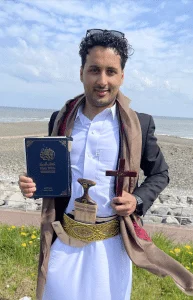
“When I start to go around the black stone, I didn’t feel any spiritual inside of me, I didn’t feel any connection with Allah,” he says. “So I have that realization if there is a Creator this is not from him, this is human made. I decided not to be a Muslim.”
Ghanim’s story exposes the harsh religious realities of Yemen. It is a country that has zero tolerance for Christians, despite the fact that Christians lived in Yemen from before the creation of Islam. An estimated 90% of former Christians have been forced to convert to Islam; others have fled the country.
After the hajj pilgrimage, Ghanim returned to Yemen and pretended to be Muslim, praying five times a day, fasting, observing dietary restrictions. He was studying business administration at the university. Following the tradition of imposed arranged marriages, he had been wedded to his first cousin, and they had two daughters.
In his heart, he knew there was no hope for him in Yemen. So he escaped, first to Iran, then to Turkey, then to Greece. In Greece, he became a Christian after asking a Syrian about his cross tattoo. He got invited to church and was given a Bible, which he read avidly. “This is the God I am looking for,” he thought.
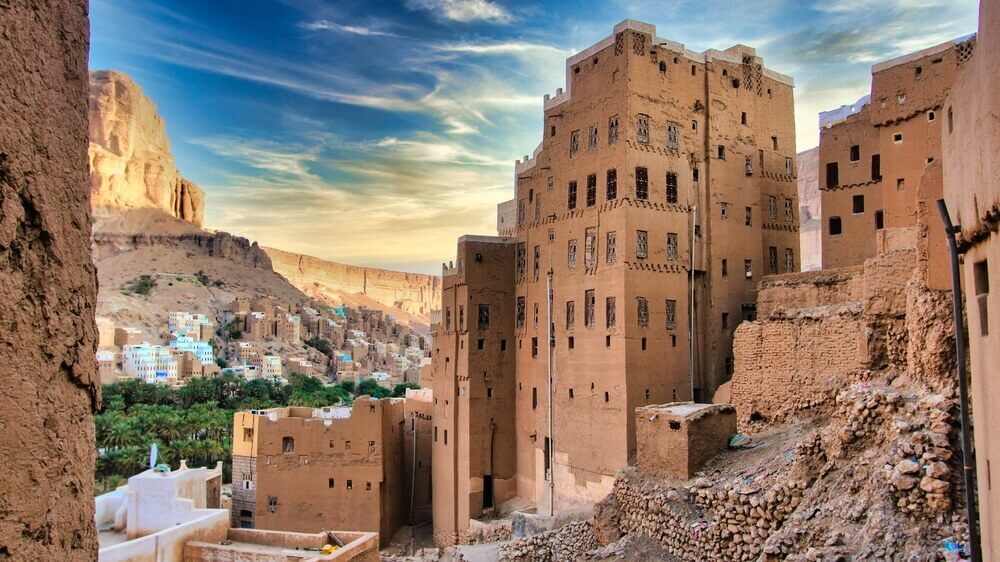
The U.S. Commission on International Religious Freedom estimates that that Yemen’s Christian community once numbered around 41,000, including expatriates, but has fallen to only a few thousand as war and repression have driven many out.
On the Southwestern tip of the Arabian peninsula, Yemen is a country torn by war. The extremist Houthis have seized about half of the country. A proxy force powered by Iran, the Shi’ite Houthis have threatened neighboring Sunni Saudi Arabia.
The Houthis have sunk commercial tankers in the Gulf of Aden, if suspected of trading with Israel. During the Gaza War, the Houthis launched missiles against Israel. In the latest flareup, the Houthis threatened to fight with Iran against the U.S. and Israel but didn’t do anything.
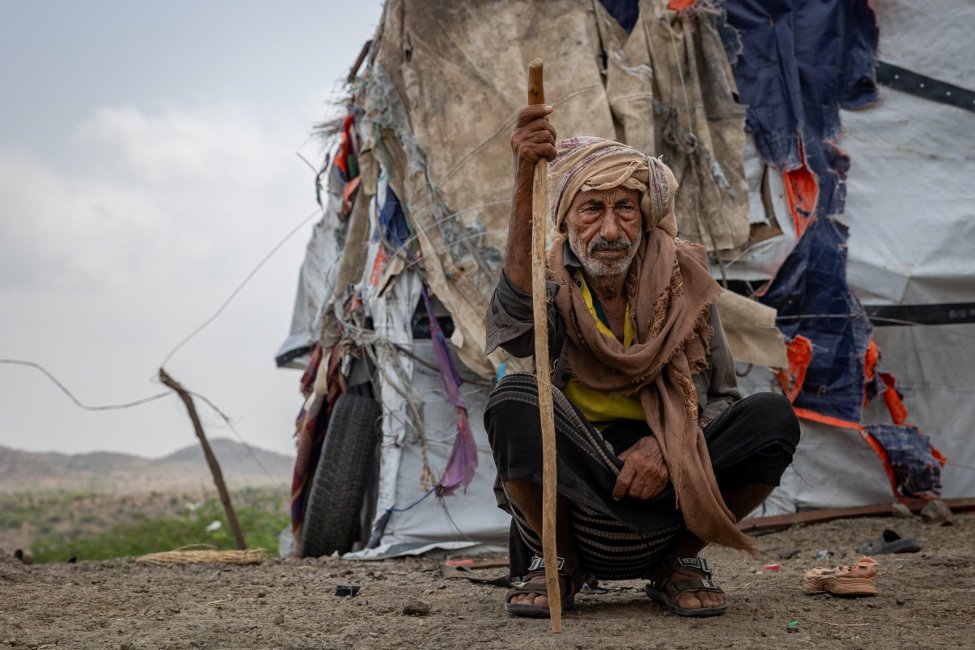
Pretty much everyone in Yemen has suffered during the Civil War that Saudi joined in fighting the Houthis for 10 years. As of 2026, the United Nations estimates that more than 22 million people require humanitarian assistance and protection, including 5.2 million internally displaced people. Acute food insecurity affects 18.3 million people, and more than 2.2 million children under five are acutely malnourished.
But the Christians have had it even harder. On top of hardships facing everyone, Christians have faced intensified persecution. Between October 2023 and September 2024, dozens of loosely organized Christian communities stopped gathering even in private because of heightened security threats, Christian Daily reports. Some 50 believers have been taken into custody by authorities, who consider them traitors.
“This crackdown is unusually ferocious,” Open Doors says.
The Houthis have imposed an increasingly ideological system of rule with strict control over education and the media. Since 2015, the Houthis have made nearly 500 modifications to Yemen’s school curriculum. All religious minorities, including Christians, are forced to study the Qur’an in Houthi education programs.
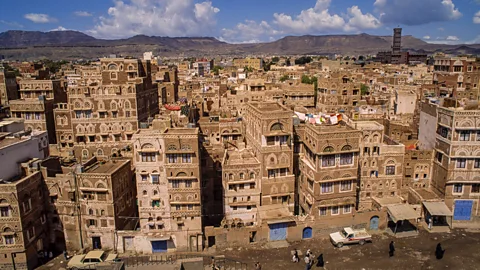
But as it was in China under the most repressive times, when the church appeared to be completely destroyed, it was thriving, we might gather from the glimmers of reports of the Holy Spirit moving unseen and unstoppable by the government.
The church will prevail. The more you squash it, the more it thrives.
“If I go to Yemen, they will kill me,” Ghanim says.
