




By Daniel Corado –
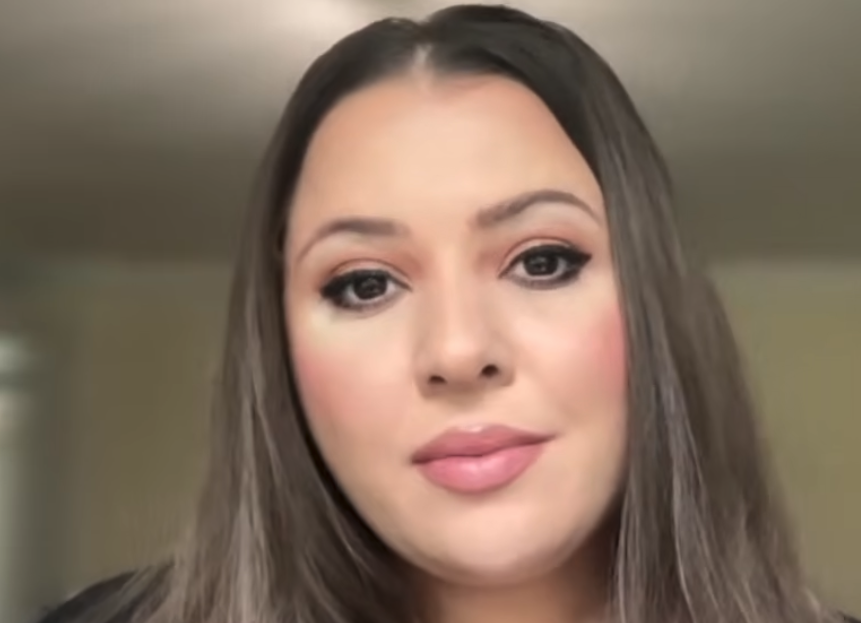
Pretty much the only happy time in her childhood was hanging out with Muslims “sisters.” So Catholic-born Ellie from the U.K. converted (they call it “reversion”) to Islam as an adult.
“I was in a really dark, bad place. I looked at my life and thought why can’t I just be happy. I didn’t really have anyone I could run to and ask for help,” Ellie says. “All I could think about were those days when I had that community, that kind of sisterhood I experienced, the way the Muslims were so together. I thought, Maybe this is this is what I need to do.”
There were troubles in her family, loneliness in her school. She was raised Catholic and went to Catholic school until she moved out of London at age 14. At her new, non-Catholic school, she was surrounded by Muslim girls. The “religious studies” class pretty much was Islamic propaganda only (she found out later all the things they left out).
When she was older, a holiday trip to Turkey was a turning point. It was very enjoyable, and she was seeing, she was told, legit Islam.
Once she reverted, she met a Muslim guy. “Instead of living the Western life, I completely changed and starting living the Muslim life,” Ellie says. She took the shahada — Muslim’s version of a sinner’s prayer — with her partner.
She started wearing hijabs.
“Then I kind of saw the other side of Islam, the judgment, nitpicking me for things I was doing wrong. I got a bit scared,” Ellie said. “I started to dress way more modestly. The shocking thing for me was the more modest I dressed, I thought I’d be more accepted. It had the opposite effect. I only got more and more judgment.”
Then she felt isolated, which was ironic since she joined Islam to find community.
“I literally thought it would be like that holiday I had in Turkey,” she says. “But it wasn’t. It was pretty much the complete opposite.”
She got rebuked for sitting with the guys, for laughing, for talking too loud, for not dressing modestly enough. What are you doing? they told her. You can’t do that.
“It made me feel like everything I’m doing is wrong,” she says. “It was the loneliest time in my life, the most isolated I’ve ever been.”
It didn’t get better. She found out about child marriage in Islam. Mohammad reportedly married a 9-year-old, and child marriage abounds in Islamdom. Husbands can have four wives and numerous sex slaves. Islam encourages slavery. Having a dog as a pet is haram, sinful.
“I was miserable,” she admits. “the more I got deeper into Islam, I saw some shocking stuff. As I learned it, I initially thought it was from an Islamaphobe. The stuff really, really disturbed me. I tried stuffing it down. The day something in my head click is when I told them I was going to get a dog, and they said, It’s not permissible. The angels are not going to come into your house if you get a dog.
“I love dogs,” she says. “That was the point where I said something is wrong here.”
Finally, she gathered the courage to research what ex-Muslims and critics say. “It took me down deeper journey of the real horrors of the life Mohammad,” she admits. “It was an avalanche of terrible things.”
She stumbled across David Wood, who specializes in reaching out to Muslims by discrediting the foundations of their religion.
To quit Islam is no easy matter. The Scriptures sentence to the death penalty for apostates. So she didn’t tell anyone that her internal doubts had solidified into determination to leave Islam once and for all. Of course, the risk of being killed was much lower because she was in the United Kingdom. But she moved out of the Muslim neighborhood.
Today, Ellie started a YouTube channel to warn girls against “reverting” to Islam. “There’s a lot
“As a white woman, another thing is what people don’t realize is there’s a lot of kind of — I’d call it — racism,” Ellie says. “They have very horrible preconceived ideas about white people, British girls. And yeah, some people are very vocal and open about their dislike for the Western world. Even if you’ve become Muslim and you’re supposed to have this clean slate, some people will still treat you like a white person, they’ll still assume that you’re not good enough.”
Source: Interview with Mohammad Faridi.

4 Comments
Pingback: Should women ‘revert’ to Islam? One tells her story. | Mustard Seed Budget
Pingback: He called Islam violent, Muslims proved him right – Pilgrim Dispatch News
Pingback: Polished image of Islam to be taught in Connecticut schools – Pilgrim Dispatch News
Pingback: ‘It’s about control’ Muslim influencer eviscerates hypocritical men – Pilgrim Dispatch News