




By Daniel Corado —
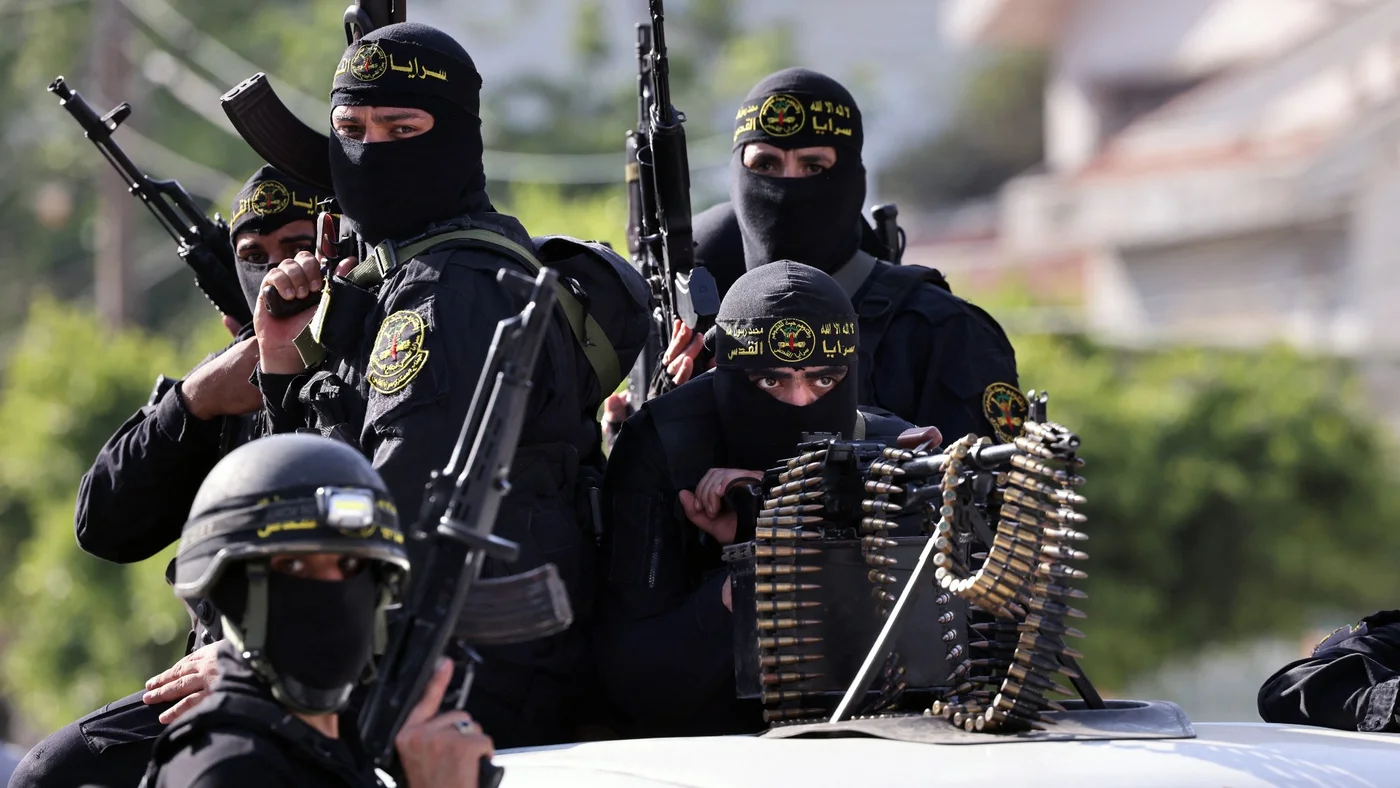
Publicly, Egyptian leaders sing for Palestine’s freedom and rally the public for war against Israel. Privately, they’re rooting for Israel, says an Egyptian analyst. This is the game they play.
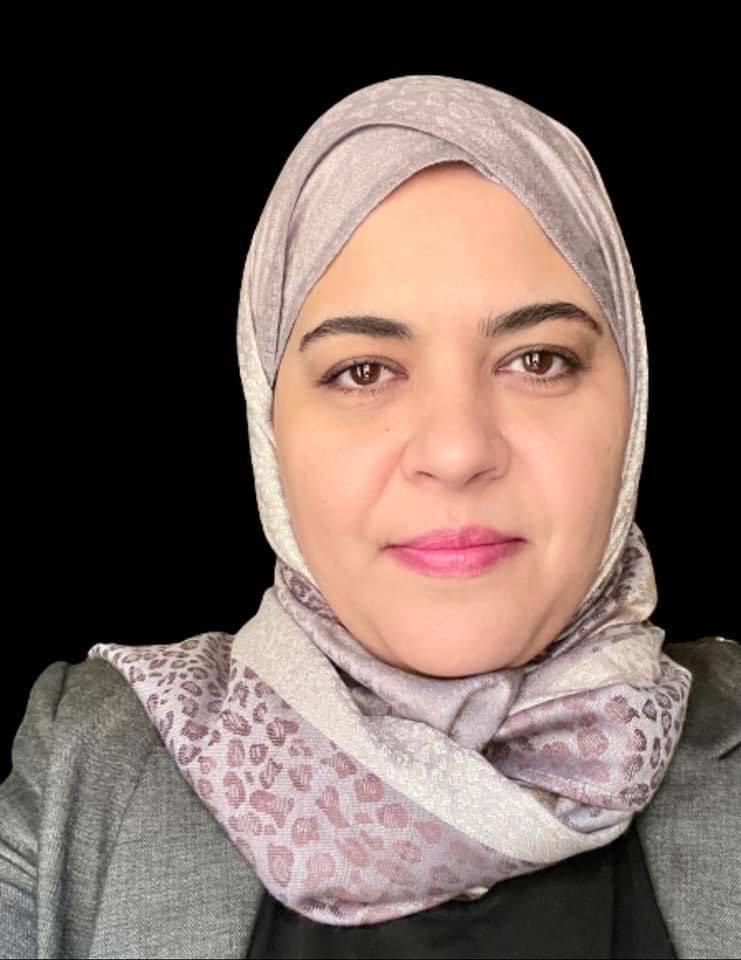
“We have seen when (the Palestinians) went to Lebanon, when they went everywhere, they are practicing violence. Egypt doesn’t want this. They don’t want to bring these troublemakers into the country,” explains Dalia Ziada, a Cairo peace activist who fled Egypt over her support of Israel.
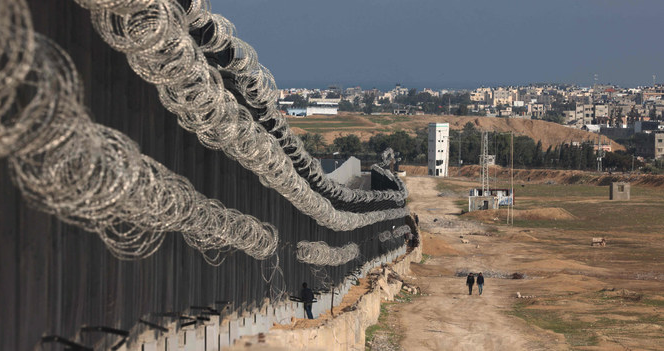
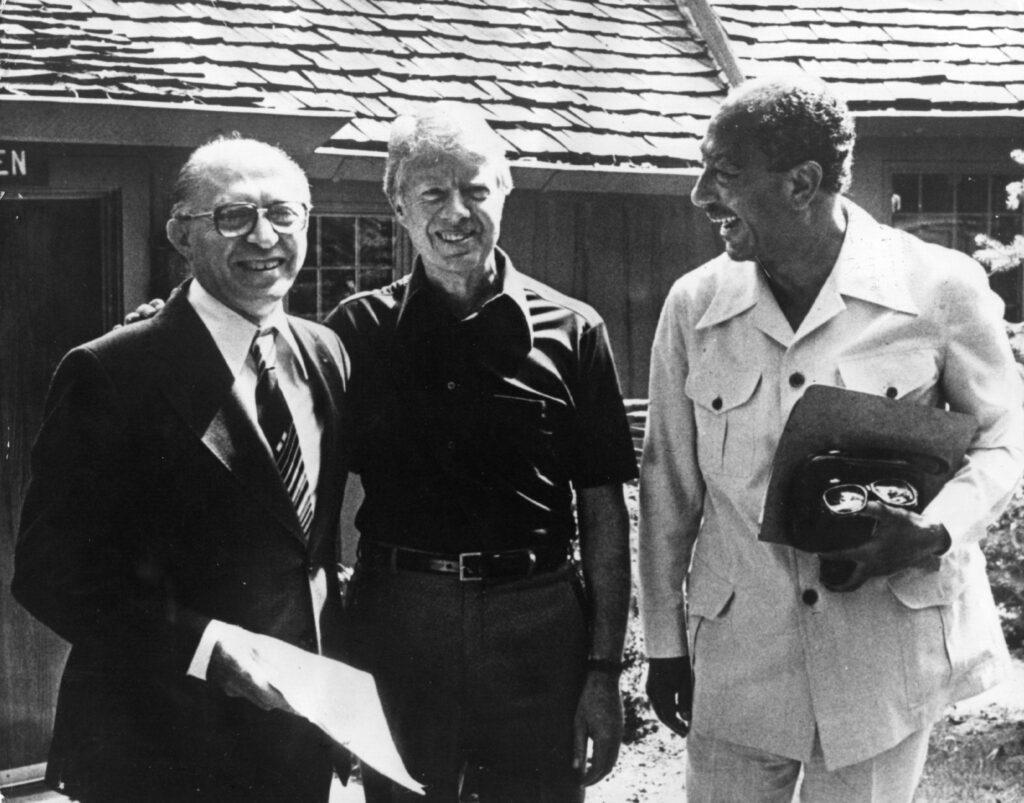
This explains why Egypt built a heavily fortified double wall on the border between the Sinai Peninsula and Gaza. And why Egypt refuses refugees from Gaza. And why Egypt didn’t want to recover Gaza in the Camp David negotiations mediated by President Jimmy Carter; they only requested the return of the Sinai Peninsula.
In fact, Gazan militants entered Egypt via the tunnels and killed security officials, police officers, military officers, prosecutors and government personnel in 2013 after the so-called Arab Spring. (Palestinians caused so much trouble in Jordan that Jordan expelled refugees and completely washed its hands of the West Bank.)
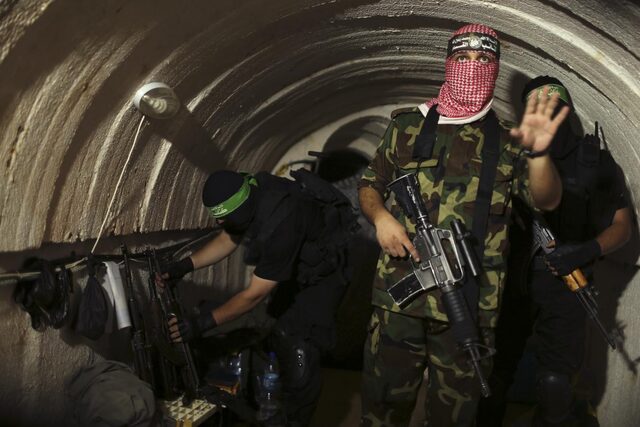
After the militant incursions into Egypt and the attacks (Egypt accuses Hamas of helping Muslim Brotherhood terrorists escape prison in 2011), President Abdel Fattah el-Sisi — then Minister of Defense — got help from Israel to close the tunnels.
So Egypt and Israel worked closely together on the joint security issue of the dangerous Gazan militants.
So why, then, did Sisi allow the tunnels to be re-opened just a few years later? Why did he allow arms to flow into Gaza, the end of which was the Oct. 7, 2023 attack?
The answer is political: the need to pacify Egypt’s populace which is agitating due to the poor political and economic performance of its leaders. By blaming Israel, they can scapegoat. By singing pro-Palestine, they can try to conserve their diminishing role of Muslim world leader. By allowing arms trafficking, they can pacify the Sinai tribes who have no other income, Ziada says.
Egyptian President Anwar Sadat signed peace with Israel in 1978. It was a wise movement strategically but politically risky since radical Muslims have hated Jews and Israel since the very beginning of their history when Jews reportedly opposed converting to Mohammad’s new religion. For his bold move, the Muslim Brotherhood assassinated Sadat three weeks later.
Hatred for Israel runs so deep in the Arab world that politicians can easily deflect from their own failures by gas-lighting the Jews. Sisi’s military government can whip up support for military spending by haranguing about the Israeli “threat.”
“I’m proud of what the IDF has done because it’s serving all of us. It’s serving Arabs. It’s serving the people who have been suffering on the hands of the Shia militia for so long and on the hands of Iran in the Arab world for so long,” Ziada says.
“It’s not easy what Israel is going through these days, but just look at history. This resilience, they always bounce back stronger,” Ziada says. “Every time I’m in trouble, I just remember what the Israeli people have gone through over their history, and I tell myself, No, I will I I’ll just bounce back much stronger. Israel will come back much stronger from this crisis. Israel ia rewriting the history of our region.”
Sources: Wikipedia, Stand Tall With Israel, BBC, Arab News, others.
