




By Alex Brick —
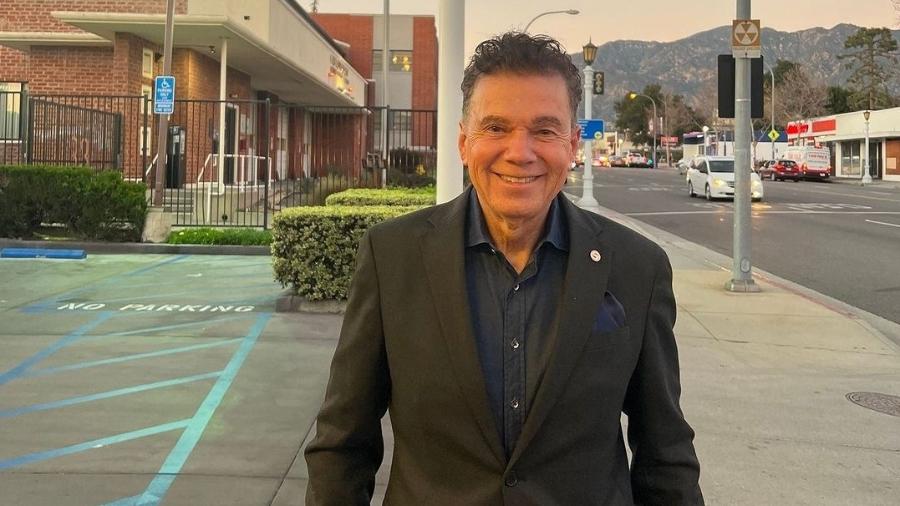
A self-described scientific monk, Dr. Michael Guillén was in the basement of Cornell University doing science 20 hours a day. With a PhD in physics, math and astronomy, he was a proud atheist who trusted science, not some unseen God.
Then he looked at dark matter. It was not seen. Next came dark energy. Again unseen. They are conjectured indirectly based on their effects.
As he pondered, his hypothesis of trusting only the seen unraveled. He wondered if his early dismissal of faith in God had been premature.
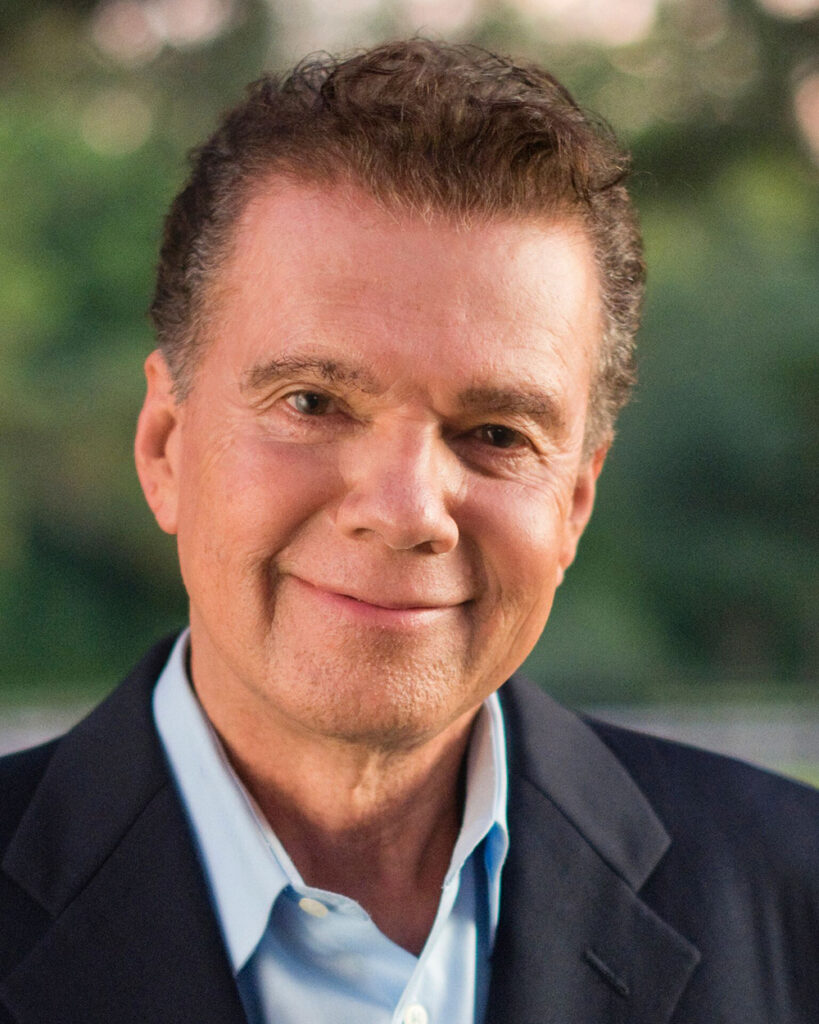
“My beloved science, the god of my life, actually did not point me away from God. It pointed me to God,” Guillén says. “In grad school, I was shocked to discover that my beloved science couldn’t really answer life’s deepest questions.
“That intellectual crisis launched me into what I call a Hermann Hesse-like spiritual journey that led me to explore the world’s major religions,” he says. “After many years, my discoveries transformed my atheist worldview into a Christian one.”
In 2021, he published his autobiographical apologetics book Believing in Seeing, which turns on its head the atheist adage. It shot up in popularity instantly and maintains good sales, but many parents who liked it told Guillén they wished for a movie. Their kids didn’t read.

So just this year, he brought out a movie The Invisible Everywhere: Believing Is Seeing, which is reportedly the first full-length major picture made entirely on consumer grade AI.
Related content: He thought science and faith were incompatible, She grilled Christians, top scientist Francis Collins believes in God.

1 Comment
Pingback: Science was his god | Mustard Seed Budget