




By Olivia Devlin –
The place where Joshua divided the land between the 12 tribes, where Hannah prayed for a son, and where the tabernacle stood for 400 years has been discovered in Ancient Shiloh.
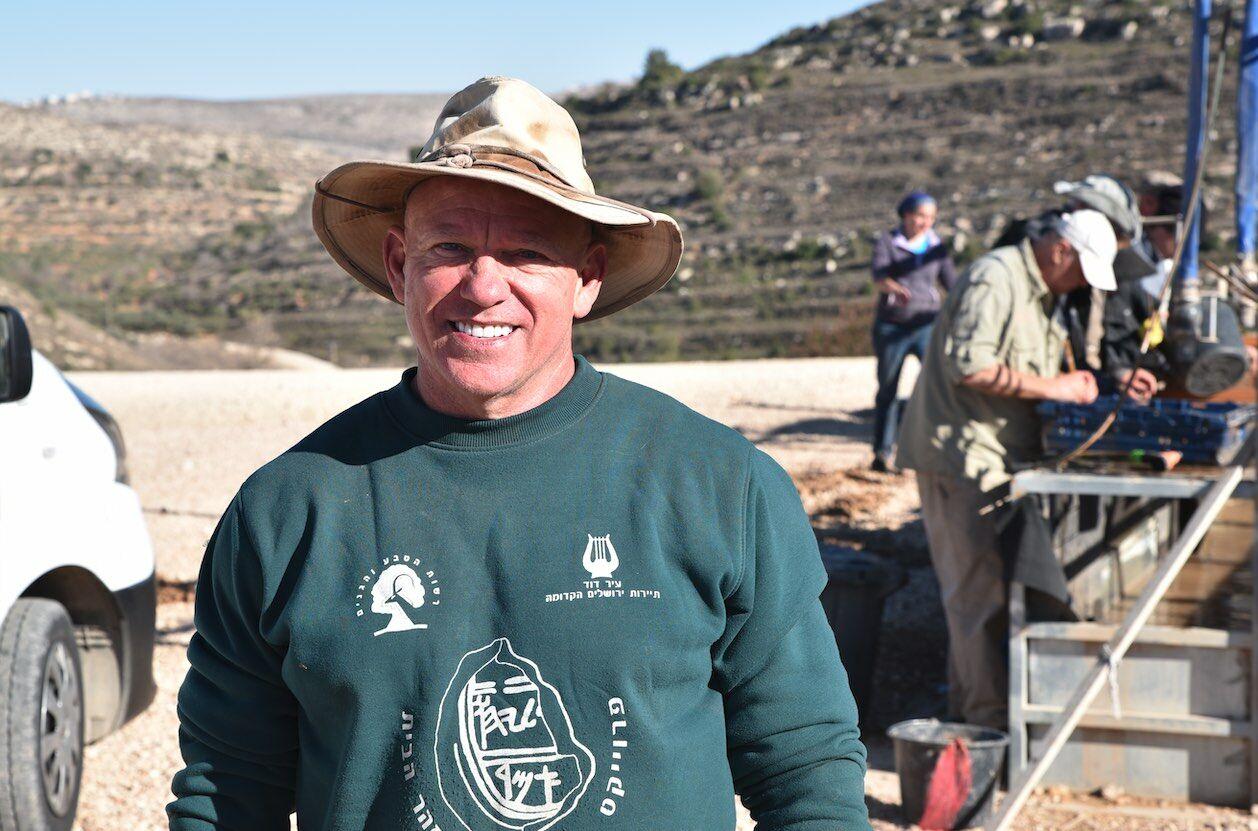
“The Bible tells us that Eli is at the gate when he gets the news that his sons have been killed. He falls over backwards and dies in the gate,” says Dr. Scott Strippling. After four years of excavating, “we can now say that this is very likely the gate that’s referred to in the Bible” in 1 Samuel 4.
Strippling is director of excavations at Ancient Shiloh through the Associates of Bible Research. He is also provost and director of the Archaeology Institute at The Bible Seminary and a leader in the Near East Archaeological Society.
He previously led excavations at Khirbet el-Maqatir, a site some researchers have proposed as a candidate for biblical Ai (the city in the Book of Joshua).
He also directs work connected to Mount Ebal, where his team has publicized findings that some supporters associate with an early Israelite cultic site and, more controversially, an inscription some have argued could reference the divine name.
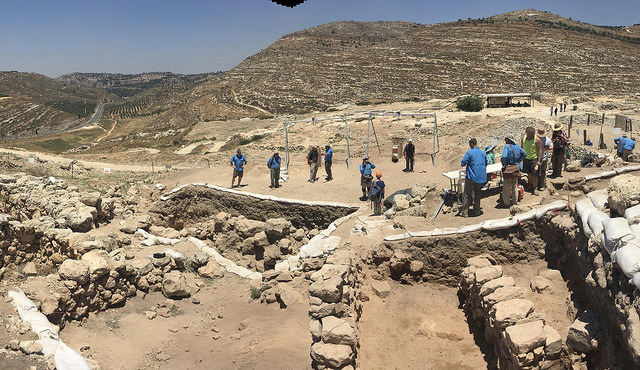
Since taking on the excavation of Ancient Shiloh, Strippling has dug down (with his team) 5-6 meters.
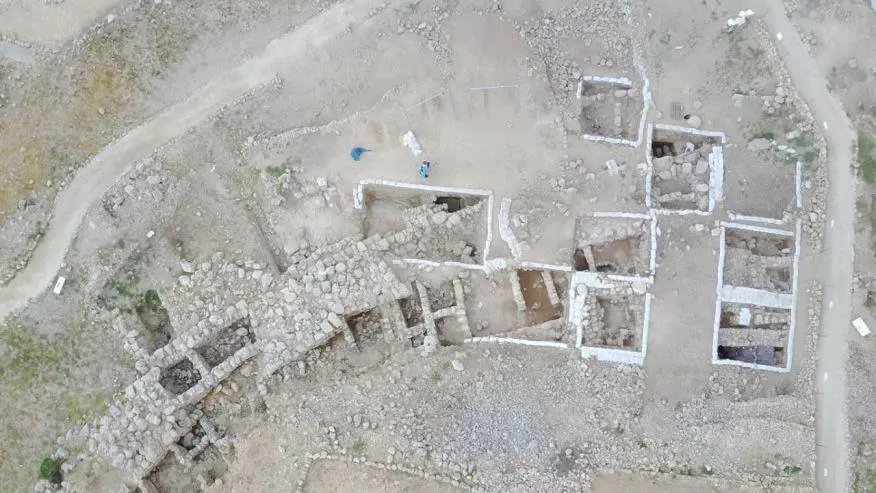
“This is a building that is matching the dimensions of the tabernacle,” Strippling says. “It orients east-west, and it’s divided on a 2-to-1 ratio like the tabernacle was.”
Strippling believes he knows where the Most Holy Place was, based on walls they have uncovered and dimensions described in the Bible. The Bible bans anyone except the high priest from entering the Most Holy Place, as that’s where God’s presence inhabited (along with the Ark of Covenant).
The high priest wore tiny bells on the fringe of his robe and had a rope tied to his ankle when he entered. The idea was that God was so holy that if the high priest had sin in heart, he would be killed by God. Priests outside the Most Holy Place would hear the bells stop ringing (from walking around) and would drag the dead body out.
But Strippling now stands in the Most Holy Place without fear.
“There’s a sense of awe,” he says. “Professionally as an academic, I’m in awe. As an evangelical Christian I’m in awe.”
According to the Gospels, when Christ died on the cross, the temple curtain (at the time in Jerusalem) blocking off the Most Holy Place, was torn from top to bottom, signifying that God’s presence, now that humanity was forgiven of sin, would leave the confines of the Temple and spread out to all humanity (anyone who receives Jesus in their heart).
So there’s no need to fear death (as portrayed in the movie The Raiders of Lost Ark when they opened the Ark and God’s spirit killed all the Nazis).
The tabernacle site at Shiloh (during Solomon’s reign, the temporary “tabernacle” gets replaced by a more permanent Temple in Jerusalem) also has a preponderance of animal bones, evidence that they were sacrificed there to Yahveh.
“We’re uncovering evidence of the sacrificial system,” Strippling says. “You have 100,000 bones. Leviticus 7 tells us that the right side of the animal is the priest’s portion. The priests lived here.”
The Bible is not like the Book of Mormon, which has no archaeological support. Or the Qur’an, which says the City of Mecca existed from the time of Adam and Eve, and yet has no archaeological evidence to support the antiquity.
What we read in the Bible, we’re finding buried in the ground.
“If people have bought into the idea that the Bible is mythology or it’s not historical, I would encourage them to look at what we’re finding here at Shiloh, read the text, pray about it and decide for themselves,” Strippling says. “We don’t just walk the Bible, we dig the Bible.”
Related content: The land belongs to Arabs? Archaeology indicates otherwise, a garden with a tomb could have been where they laid Jesus’s body, Meguiddo Mosaic calls Jesus God at an earlier date that previously corroborated by archaeology. Sources: CBN, others.

1 Comment
Pingback: Archaeologists unearth Shiloh, yet another confirmation for the Bible | Mustard Seed Budget