




By Karine Keyser —
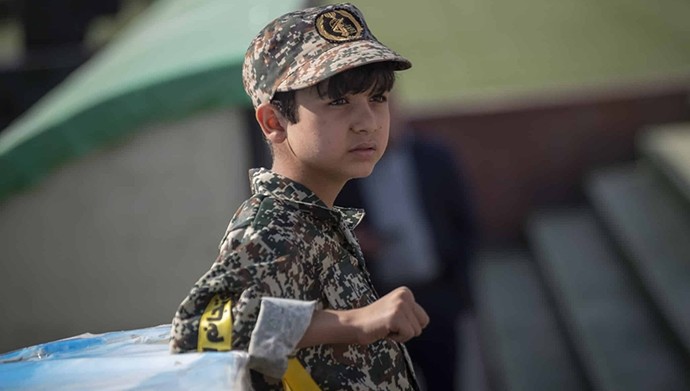
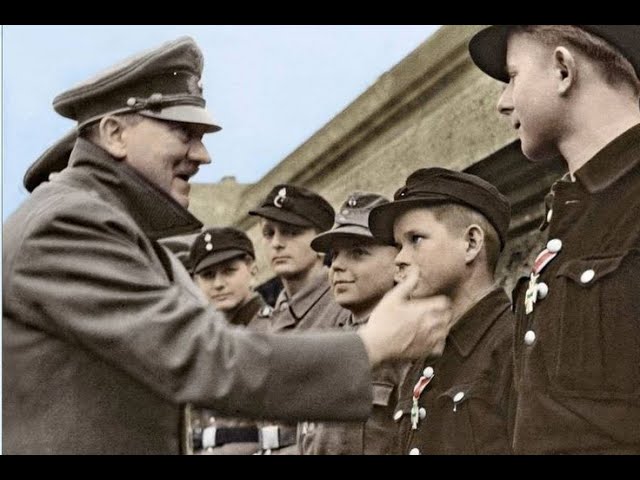
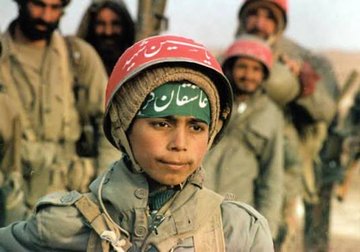
Nazi Germany was on its last legs when it starting sending out kids and old men into the war. Compare that fact with what Iran is doing now: recruiting kids as young as 12 years old to fill its posts, at checkpoints, for example.
“We launched this plan in different areas. There are intelligence and operational patrols, and our dear young people and teenagers repeatedly came forward and said they wanted to take part in these patrols, in the checkpoint patrols that you now see across the cities, we received a very large number of requests from teenagers and young people given the ages of those who came forward and demanded to participate, we lowered the age to 12 and above,” announced Rahim Nadaali, cultural deputy of the Islamic Revolutionary Guard Corps in Tehran.
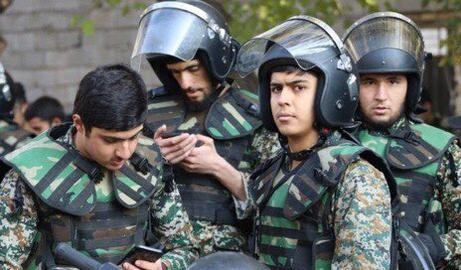
“Now 12- and 13-year-old kids want to take part in this space,” Nadaali unveiled on March 26.
Certainly there are still lots and lots of men to fill the ranks of the Basij and IRGC, so where are they? Many are simply not reporting for duty because they’re being killed, they see they’re losing.
Civilians in Iran are engaging in guerilla warfare, hunting down IRGC and Basij members on the streets. Israeli drones were killing regime soldiers at checkpoints as called in by Iranian civilians — to the point that personnel are staging checkpoints in tunnels and under bridges or simply not at all.
The world shuddered when Iran announced it would close down the Strait of Hormuz and choke off 20% of international oil — as if they were the only ones who could do that. Not to be outmaneuvered, Trump imposed a blockade on ships going to and from Iran on Monday. What’s good for the goose is good for the gander.
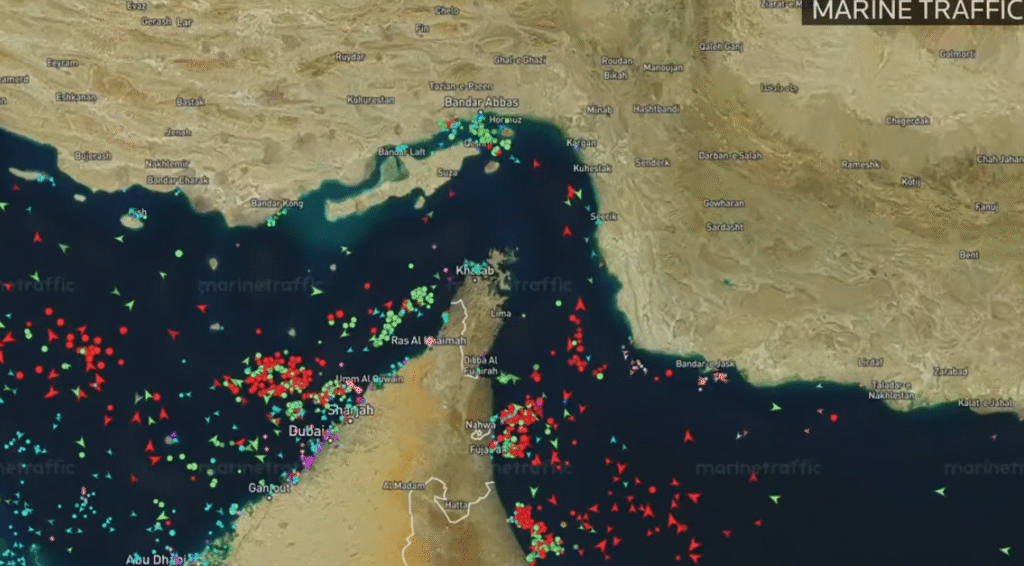
Iran’s economy runs almost exclusively on oil (to Russia, China and India). UK reporter Mahyar Tousi says that in 10-14 days Iran’s storage facilities will max, provoking oil pumping to halt. No more money will be coming in to Iran with no exports of oil.
“If the IRGC can’t even fund the salaries of the terrorist members, then they’re not going to show any more loyalty,” Tousi says. “That’s why they had to basically beg the Americas, saying, ‘Please stop the blockade. Let’s talk again. We’ll come up with some sort of agreement.'”
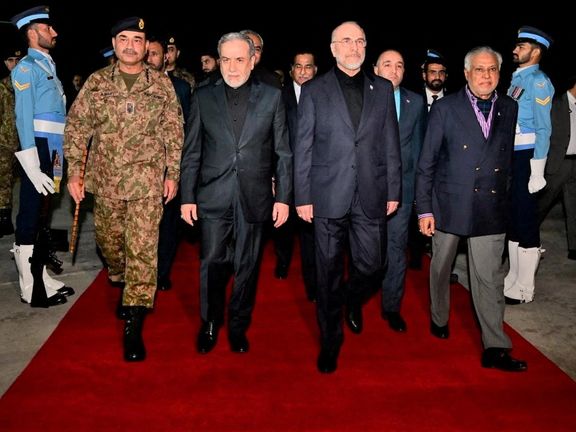
The peace talks in Islamabad (April 11-13) failed because the hardliners (harder than the negotiating team) sent their own contingent to make sure that the Iranian negotiators conceded nothing to the Americans. Basically, you had two of three competing contingents of the IRGC at the talks, and the one group wouldn’t let the other group find a point of compromise, Tousi explains.
After the leadership decapitation (some 75 senior leaders have been eliminated), the IRGC is now awash in infighting, as the most hardened elements threaten to kill any other contingent that shows any signs of moderation.
Sources: Mahyar Tousi, Iran Human Rights Monitor, Iran International, The Sun.

1 Comment
Pingback: Iran won’t be a ‘forever war’ – Pilgrim Dispatch News