




By Eli Garcia –
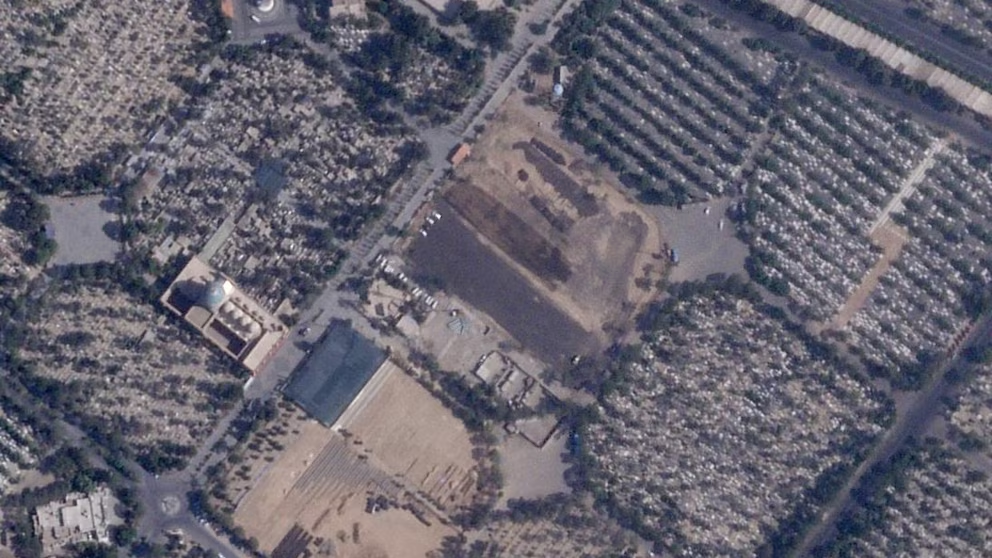
The earth itself is being rewritten in Tehran. At Behesht-e Zahra cemetery, bulldozers have paved the burial site of thousands of political prisoners. Where mourners once left flowers, cars will now park in Lot 41.
“They are not just killing people—they are killing memory,” says Hadi Ghaemi, executive director of the Center for Human Rights in Iran
In the wake of the12-day Israel-Iran war, Tehran has unleashed a new wave of repression: hundreds of executions, secretive trials and the destruction of graves linked to past atrocities.
Rights groups warn that this isn’t random brutality but a deliberate strategy to crush dissent and erase history. For families of the dead, it means losing both their loved ones and the places where they grieve.
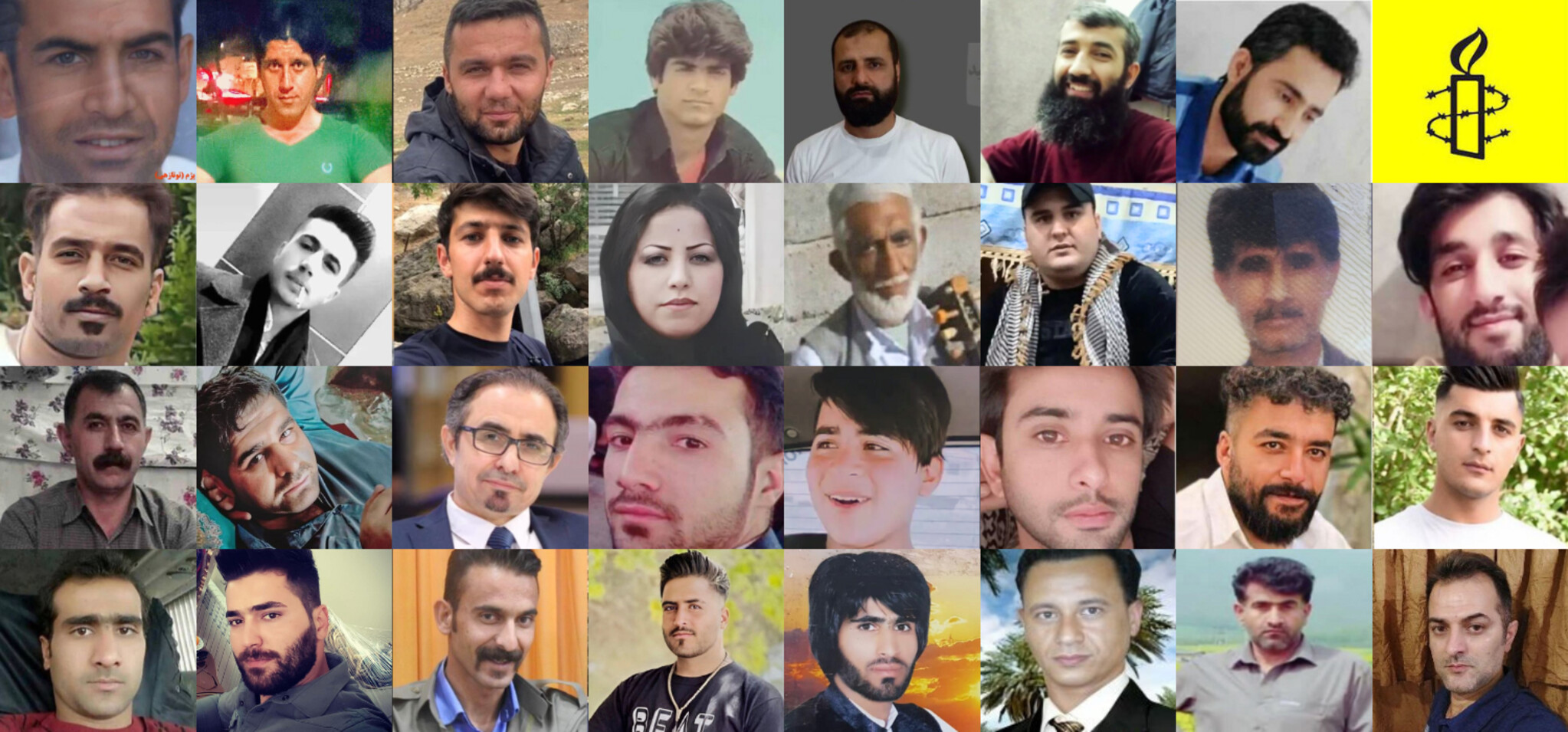
Since July, more than 100 people have been executed, with reports of over 700 deaths by execution in 2025 alone. Many were accused of spying for Israel, charges human-rights organizations say are based on forced confessions and sham trials. Dozens more prisoners now await possible execution.
Meanwhile, the cemetery paving over Lot 41 is seen as a symbolic act. That land holds bodies from the 1988 prison massacres, when thousands of political dissidents were executed. To critics, turning it into asphalt is a second execution—this time of memory.
Satellite imagery confirms large swaths of Lot 41 have already been paved. Trees have died, gravestones have fallen. Grave markers vanished. The deputy mayor and cemetery officials say this is simply repurposing unused space; human rights groups call it deliberate erasure.
Iranian officials frame the crackdown as justice, claiming to be punishing traitors and protecting national security. But critics say the timing — directly after the war — suggests the executions are less about justice and more about re-establishing fear.
For the international community, the stakes are high. The executions violate human-rights law, while the destruction of graves makes future accountability harder. Yet, as Ghaemi notes, the absence of “sustained international pressure” has allowed Iran to continue with “impunity.”
And so the story circles back to Lot 41. Asphalt may cover the graves, but the memory remains alive in families, survivors, and human-rights reports. Iran’s government may hope to silence the dead, but the very act of paving them over has only raised their voices louder on the world stage.
Related content: Iranians wanted Israel to completely destroy the IRGC; is overthrow of the IRGC imminent?; Iran was a danger to everyone, Israel did the world a favor.

1 Comment
Pingback: Bernie Sanders outed as fake commie – Pilgrim Dispatch News