




By Jasu Diaz —
The majority of the 333 blasphemy cases registered in the past five years in Pakistan were bogus, a parliamentary committee found last week.
“We have seen people weaponize blasphemy allegations to target others over personal disputes, and that is tragic,” said Sen. Samina Mumtaz Zehri. “The laws are not perfect, which is why we have sought recommendations from all stakeholders so that changes can be introduced where necessary. It is our collective responsibility to leave the next generation a safer and freer society.”
Blasphemy carries the death penalty in the Qur’an and in Pakistani civil government, which prides itself for adhering to Islam’s Holy Book. Regardless of the flaws of implementing extreme sharia law, blasphemy laws get used mostly for vendettas, family disputes and property disputes.
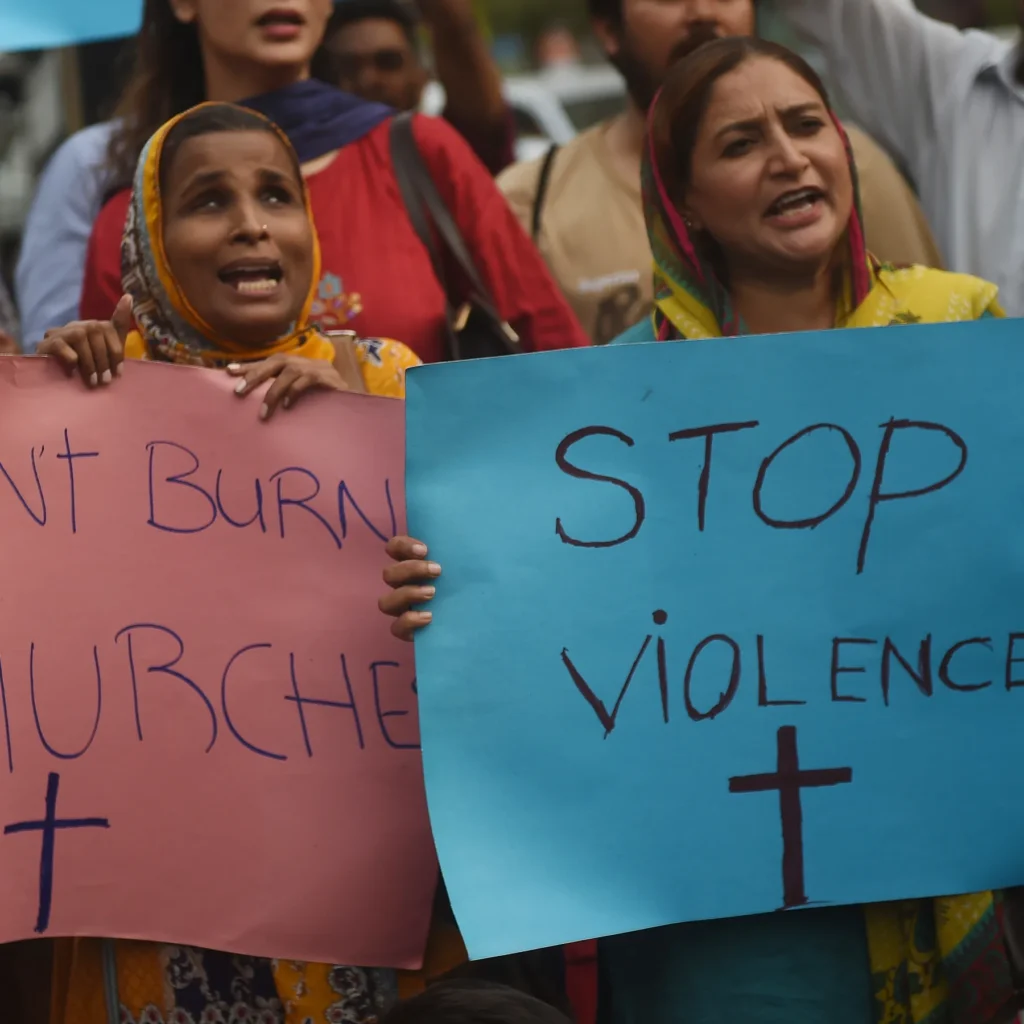
While often they get used against Christians and other religious minorities, the study found that, surprisingly, 59% of the accused are Muslim.
No one has been executed under Pakistan’s blasphemy laws. Police often fail to corroborate charges with solid evidence. But while they’re investigating, the accused spends months in jail; he cannot provide for his family, or a mother cannot care for her kids.
Aside from government punishments, a more real possibility is mob violence. A mere allegation frequently escalates to vigilante violence as mosque loudspeakers stir up the faithful to outrage. Extrajudicial killings have happened.
Over a property dispute in Rawalpindi (sister city to the capitol, Islamabad), Pastor Kamran Salamat was hunted down and shot to death in December, even though he relocated to avoid danger.
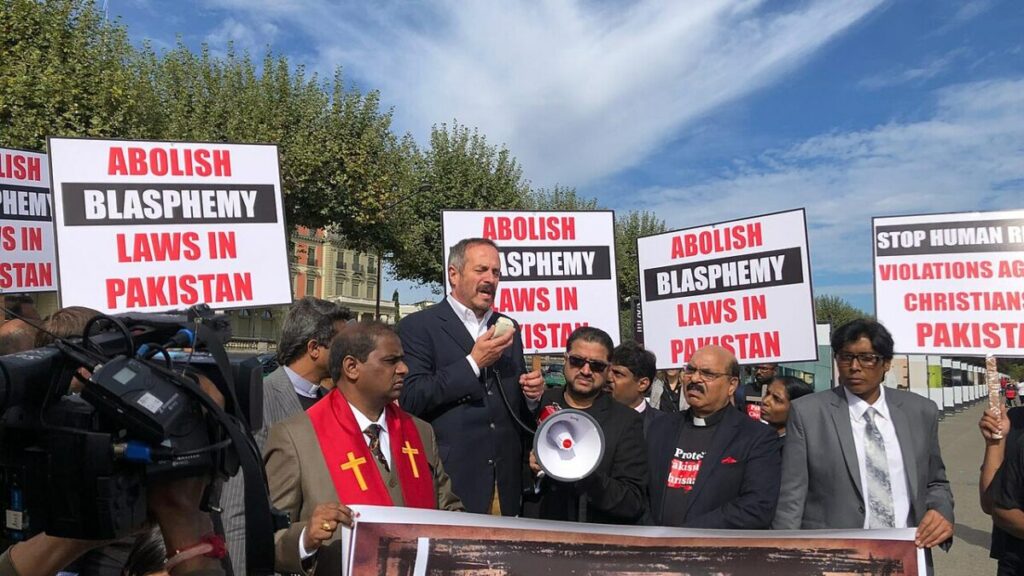
Of the four provinces, Punjab had the most accusations: 116 cases in the last five years.
On July 6, a Lahore court acquitted 37-year-old Dennis Albert, who had spent more than two years in prison after being accused of desecrating pages of the Quran. His lawyer, Asad Jamal, said the court identified serious deficiencies in the police investigation and found material inconsistencies in the prosecution’s evidence.
On June 22, another Lahore court acquitted 49-year-old blind Catholic Nadeem Masih after he spent 10 months in prison on a blasphemy charge carrying a mandatory death sentence. The court ruled that prosecutors had failed to present sufficient evidence to substantiate the allegation.
A lawyer who defends against blasphemy accusations, Anneqa Maria surmised previously: “In my entire career of 14 years as a criminal lawyer, none of the blasphemy victims I represented have actually committed blasphemy.”
The “offenses” have been as absurd as throwing a business card into the rubbish (since the man’s name was Muhammad), a rural water dispute, spelling errors, the naming of a child, the design of a place of worship, burning a (non-religious) talisman or sharing a picture on Facebook.
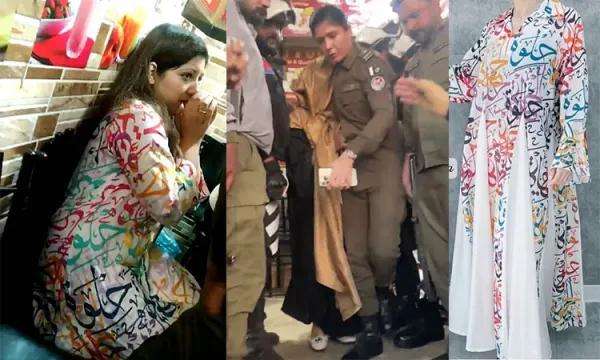
In February 2024, a woman with Arabic words written on her dress was accused of blasphemy because people thought they were Qur’anic scriptures, which they turned out not to be. She very nearly got lynched in Lahore but a police officer managed to calm the mob.
Related content: born in brickyard in Pakistan will die in brickyard, kidnapped and married at age 11 in Pakistan, his school in Pakistan cheered 9/11. Sources: Christian Daily International, others.

1 Comment
Pingback: Blasphemy laws used for vendettas in Pakistan | Mustard Seed Budget