




By Abdul Masih —
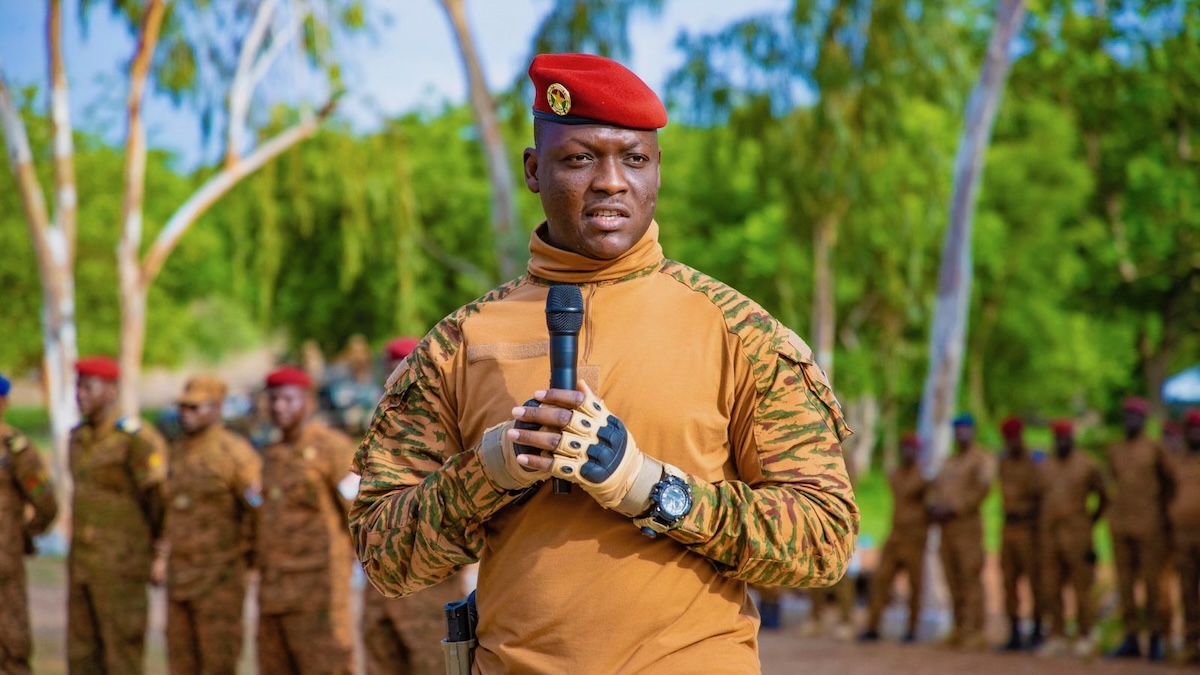
Burkina Faso‘s strongman Ibrahim Traore is battling a daunting two front war of survival, and a church has wound up in the crosshairs.
Traore is trying to simultaneously kick out French influence and Islamist extremism from the Sahel region nation.
France, which gets rich off its control over its former colony, does not want to go and is accused of whipping up al Qaeda and ISIS affiliates to punish Traore and re-establish its extremely prosperous control.
When it left its colonies, France kept its fingers in the inner workings. It maintained a military presence (supposedly to protect the former colonies) and required its colonies to maintain 50% of foreign reserves in Banque de France. The foreign reserve requirement was said to stabilize their currencies. Hahaha. What it really did was provide France with enormous cash to enrich itself.
Oh, and also France got first rights on mineral discoveries in its former colonies. In other words, the French let Africa self-govern but exploited the riches virtually unrestricted from colonial days.
Through the years, the former French colonies that tried to break free from French exploitation faced severe consequences. In 1983, Togo’s President Sylvanus Olympio was mysteriously killed.
When Burkina Faso kicked the French out this year, French President Emmanuel Macron ominously warned: “Someone forgot to say thank you… for our engagement against terrorism since 2013.”
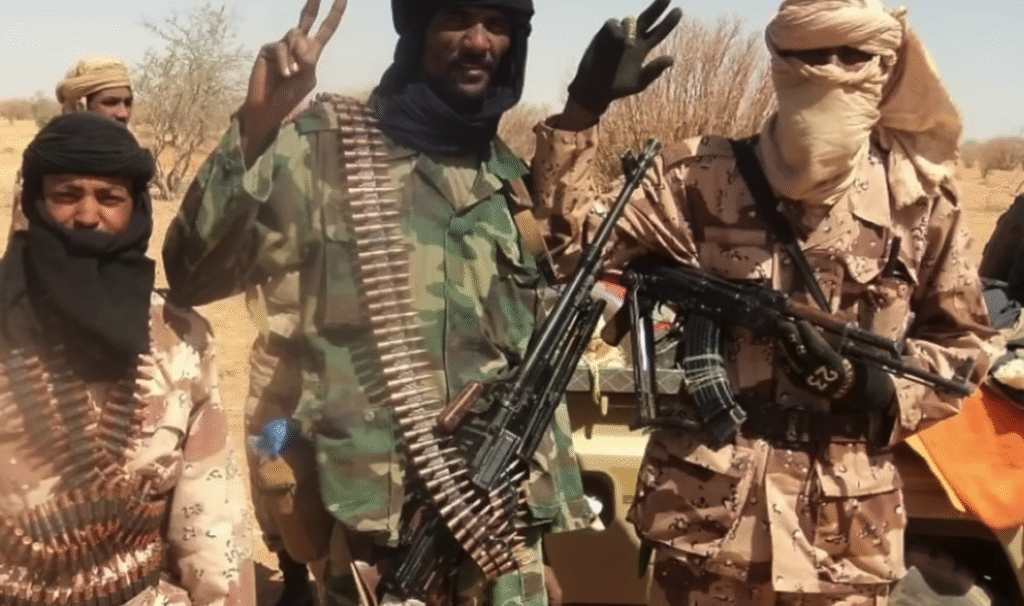
The second front facing Traore is Jama’at Nusrat al-Islam wal-Muslimin (al-Qaeda affiliate) and
Islamic State Sahel Province — Islamist movements that threatens to take over and establish a caliphate.
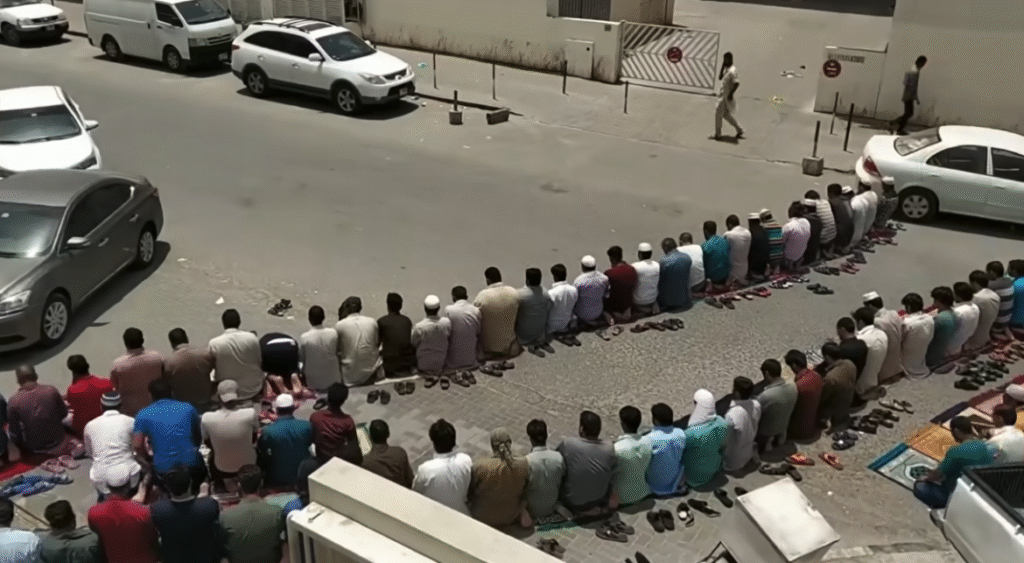
To crack down on extremism, Burkina Faso’s government banned certain religious practices: 1) praying in the streets and blocking traffic, 2) mosques and prayers inside government buildings and public schools, 3) radicalizing from the pulpit, and 4) unregistered clerics.
It is this last requirement that swept up the church Tabernacle des fils du royaume de Saint Esprit which found itself banned for at least three months because its pastors don’t have certificates proving their professional training.
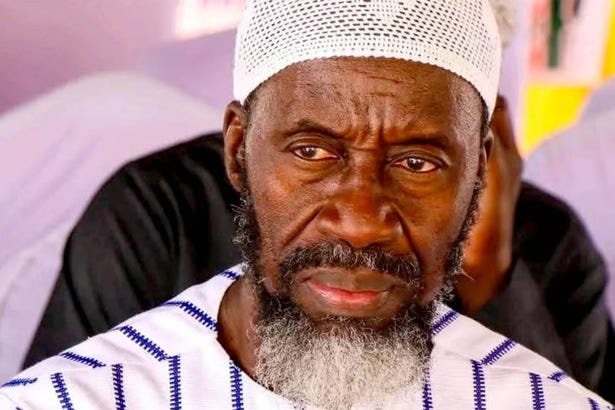
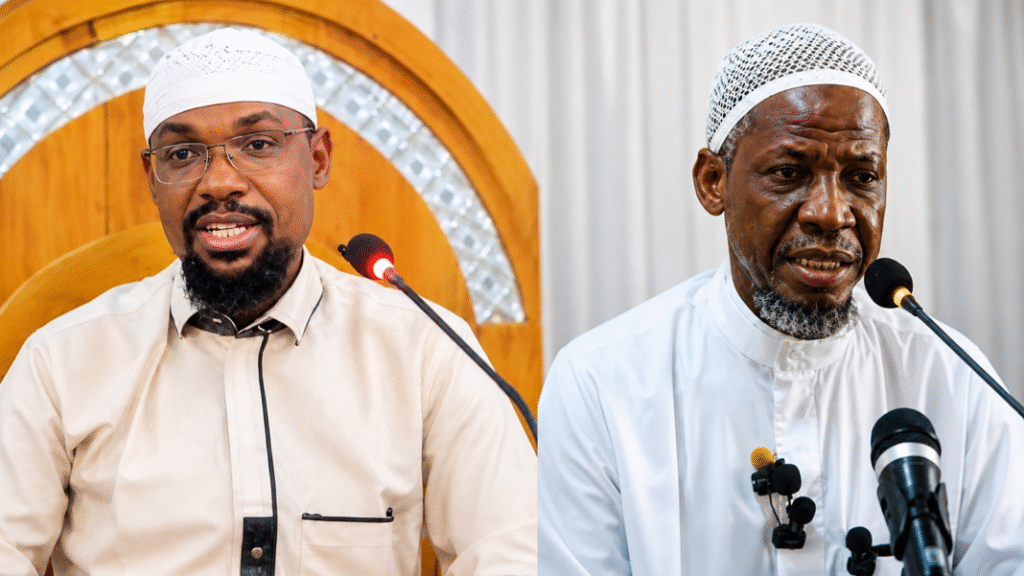
On the same day of the church’s banning (June 23), government forces also banned imams Omar Sankara and Idrissa Sawadogo from preaching over their alleged radicalizing.
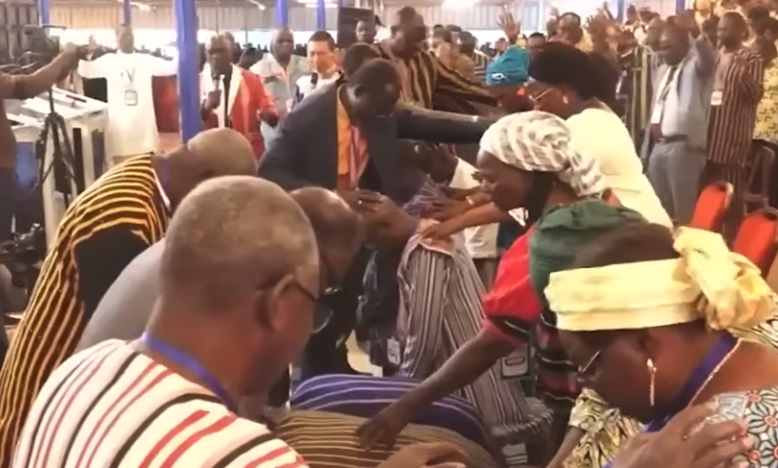
Here’s what we guess really happened: The real problem was radical Islam, but the government could not show itself to partisan. It had to show itself cracking down in a fair manner on clerics from all faiths. So it timed the two events for the same day. Tabernacle des fils du royaume de Saint Esprit took some hits from the melee.
The silencing of two imams for radical preaching follows the arrest of Imam Mohamed Ishaq Kindo on May 26 for the same type of radicalizing sermons. Kindo had directly challenged the government’s move towards secular government, a principle derived from Burkina Faso’s constitution. He opposed banning street-blocking prayers.
The radicalization of the Sahel region traces to Gulf State funding. Saudi Arabia, Qatar, Turkey, Iran and others have funded mosque construction and imam training in parts of the Sahel, especially Niger and Mali. Nearby Bamako has more mosques per capita than Riyadh itself.
The imams then are beholden to the type of radical teaching emanating from Qatar or Iran.
So on both fronts, Traore has a daunting battle against foreign powers (France and Gulf States).
Traore took power in a coup on Sept. 30, 2022, overthrowing the previous junta leader, Paul-Henri Sandaogo Damiba. He appears genuinely popular with many Burkinabè and especially with Pan-Africanist audiences online.
Burkina Faso is 64% Muslim, 23% Christian and 9% African animist. It is described as religiously harmonious, though Muslims want to force their faith on others by violence and takeover. Traore is a practicing Muslim but appears to want to reinforce nationalism for people of all faiths.
In his attempt to throw of the French yoke, Traore has banned the relic of horse-hair wigs, that cost upwards of $6,000, on judges in courts.
Sources: News Africa TV1, Zack Mwekassa, the Sahel Informer, African Dispatch, others.

3 Comments
Pingback: Christian coup: Africa set to take over Christianity from Europe – Pilgrim Dispatch News
Pingback: Ultra Muslim Mauritania still has slavery – Pilgrim Dispatch News
Pingback: Islamist revival, a hiccup in history – Pilgrim Dispatch News