




By Jong Ho Lee –
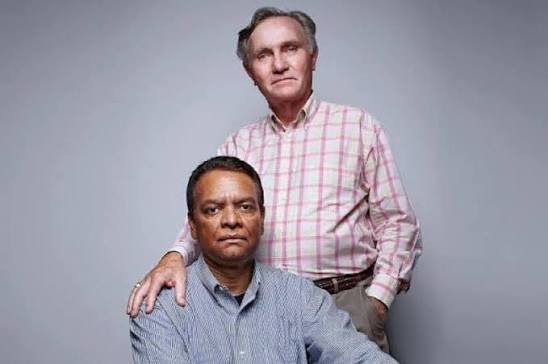
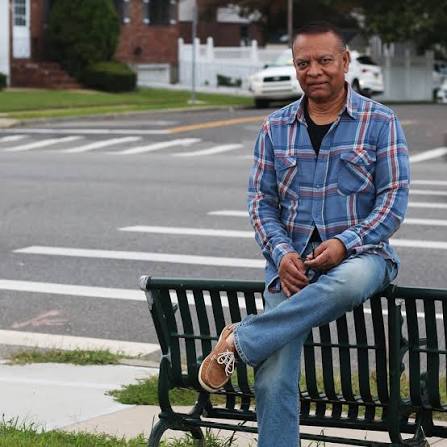
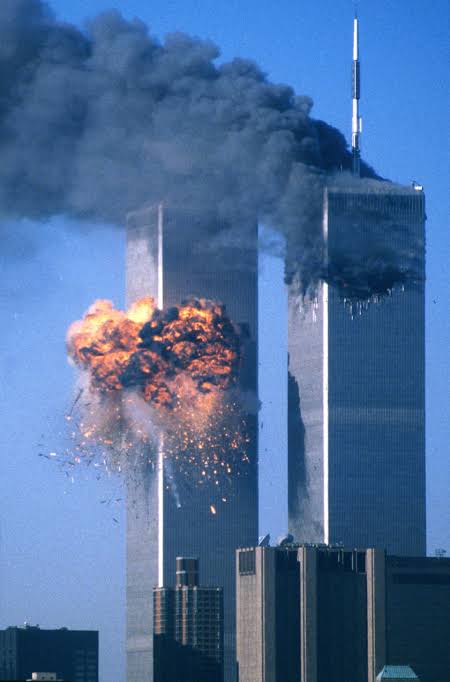
Stanley Praimnath was on the 81st floor of the South Tower of the World Trade Center, right where United Airline Flight 175 hit on Sept. 11, 2001. Most people from the impact zone died.
Stanley survived.
“Every piece of furniture was mangled,” Praimnath says. “The only desk that stood firm was the desk I was hiding under, and my Bible was on top of that desk.”
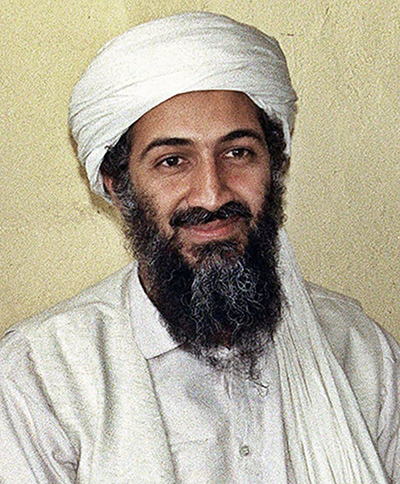
Osama bin Laden’s terror strikes against the Twin Towers and the Pentagon unleashed a wave of terror attacks we are still experiencing today. Success breeds imitation.
It’s a good thing Praimnath brought his “lucky” shoes. They had thick rubber soles. When he made his way down the 80 flights of stairs, water from the fire sprinklers was running down the stairs. He might have slipped and fallen, had he not worn those shoes.
Paimnath saw that the North Tower was struck and evacuated, only to be told at the bottom to return to his office. The South Tower was “secure,” they said.
From his office where he worked as an executive for Fuji Bank, he saw Boeing 767 flying straight at him. He heard the growling of the engines. He was aghast.
In an instant, he gathered himself enough to throw himself underneath his desk and cry out to God.
The tip of the wing tore through his office. The main fuselage of the plane was some yards away. The fireball visible on photos was engulfing his office. The impact of the plane, the exploding of walls created an erratic movement of air that was “sucking” him outward.
“I’m dead,” the thought flashed through his head. “I’m going to get burned by these flames all around me. Or I’m going to get crushed because this floor above me, all steel beams going to just cave in.”
He prayed desperately.
“Send somebody to help me,” he prayed. “I want to go home to my wife and our two girls. Who’s going to take care of Jenny and Stephanie and Caitlin?”
He let out a scream.
Brian Clark, who heard the scream on the stairwell, came back for him.
A 10-foot fall stood between them. There was no ceiling.
“Climb over the wall,” Clark yelled from the stairwall.
“I can’t,” Praimnath responded.
“You got to do it or you’re going to die,” Clark yelled. “You got to think about your family.”
Praimath punched through the wall, surprised that he seemed to have more strength than ever. He punched again. The hole opened up. He stuck his head through, and Clark pulled his entire body through.
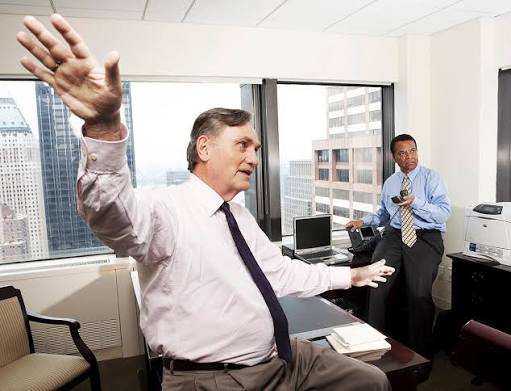
Together they tumbled down 10 flights together.
“I realize I’m lying on top of this fella,” Praimnath says. “I hug him around the neck, give him a kiss on the cheek.”
He gushed gratitude. Clark stood up, straightened his jacket and tie and formally introduced himself. He then took Praimnath’s hand, which was swollen, into his own and began to rub it gently.
“All my life, I lived as an only child. I always wanted a brother. I found that man today,” Clark said. “From today, you’re my blood brother.”
They weren’t out of the danger zone.
Together they descended 70 flights of stairs and made their way to Trinity Church, where they saw their tower collapse and shoot dust and debris everywhere, darkening the sky.
Prainmath remembered his wife, who was working at the New York Stock Exchange. The thought flashed through his mind that the enemy was bombing the financial district, and that he needed to save his wife.
Through the smoke and dust he wandered until he found a guy driving a white pickup truck. Without asking for a ride, he got in the passenger seat.
“One word from you and you’re dead. Drive,” he ordered.
Prainmath was a professional, not a thug. But with 70% of his body bruised and swollen, covered with dust to the point of being unrecognizable, he looked like a thug.
The man obeyed.
As they drove, he offered Prainmath a cigarette.
“No, I’ve had enough smoke for today,” Prainmath responded. The tension disappeared.
Getting out at the Brooklyn Bridge, he ran across. A man helped him find the Stock Exchange. His wife had gone home. She had seen the video news of South Tower collapsing.
She had assumed her husband was dead.
So when Stock Exchanger personnel offered to let him call his wife, she refused to believe it was him. She was in shock. She thought it was some sort of cruel joke.
So he made his way home. Incomprehensibly, the A train showed up. No one was in it. He rode it all the way to where his car was parked. He couldn’t fasten the seatbelt because he was so swollen.
Still he made it home.
“Jenny is standing on the front steps. Caitlin is on the right hand, Stephanie in the left hand. And she’s standing up holding on to these precious children,” he says.
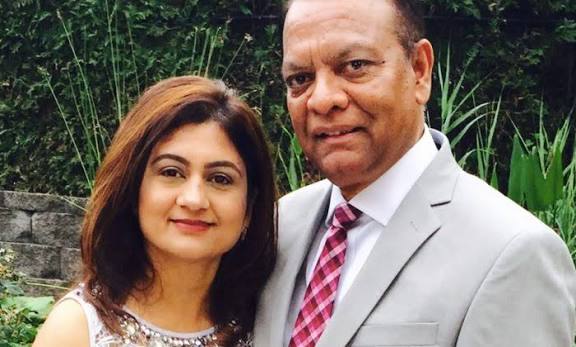
The neighbors come. They’re overwhelmed. “Oh my God, thank God you’re safe.”
But the 4-year-old doesn’t recognize her dad. “I was so swollen, I looked like a 300-pounder,” he says. The dust and smoke still darkened his skin. He was bleeding. He looked like a specter.
Please don’t touch me. You’re not my daddy,” Caitlin said.
Praimnath’s heart broke.
He says God saved him. He doesn’t know who so many others weren’t saved.
It happened 25 years ago. In all, 19 hijackers killed 2,977 with their jet plane terror attack. Osama Bin Laden organized the attack to restart the conquest of the West that stopped in 1683 at the Battle of Vienna, where Muslim hordes were turned back.
Bin Laden did it to avenge the losses suffered from colonizers, mostly the British who dismantled the Ottoman Caliphate.
All around the Muslim world, those who are steeped in the history and fundamentals of Islam rejoiced. They had struck their enemies hard.
The West was horrified and baffled. They were facing an enemy whose motivations they did not understand.
The terror attacks that continue today find their inspiration in 9/11.
Sources: What it was Like
