





Brigitte Gabriel’s family built a bomb shelter, half paid for by the Lebanese government, because evil Israel, they were told, one day would bomb them.
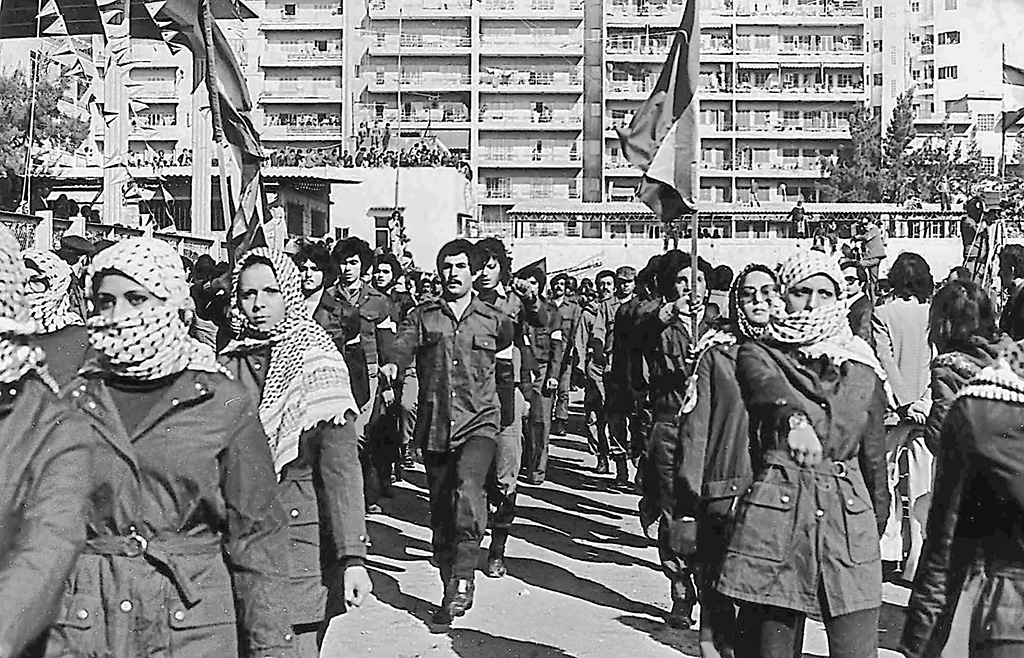
When 14 rockets blew her house, it was the Palestinians who launched them, not the Israelis. Allowed into Lebanon as refugees after the failed attempt to take over Jordan, the Palestinians tried to take over Lebanon and make it an Islamist base from which to attack Israel, says Brigitte, who was 10 years old at the time.
“I was pinned under a wall while they were looking for me,” she recalls. “My father became deaf because the bombs blew up his eardrums, so he couldn’t hear my screams.”
Raised a Maronite Catholic, Brigitte today lives in America and runs ACT for America, an advocacy group that counters radical Islam in the West. She married a fellow journalist while she was a reporter in the Middle East 1984-’89 and has one child, she says.
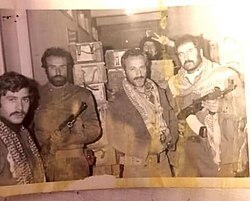
From age 10 to 13, she lived in her native village of Marjeyoun inside a bomb shelter as the Palestinians, joined by Islamist militants from all over the region, continued the onslaught against the military base and hospital. The Arabic Lebanese Army were killing Christians because they were “infidels,” Brigitte says.
For two years, she received no schooling. She and her mom had to crawl out, to evade sniper fire, to get water and food. Her father had been a well-to-do restauranteur, so they had stores of chickpeas in the bomb shelter. They dug up dandelions for greens to eat, she say.
“We thought it’s going to be a matter of a couple days, a couple weeks, and the whole world is gonna wake up and see what’s happening to the Christians in Lebanon,” Brigitte says. But weeks prolonged into months prolonged into years. “The world forgot about us.”
Trying to keep optimism, her mother cut off the toes of her shoes, as Brigitte grew, and called them sandals. She cut off her pajama pants and called them Bermuda shorts.
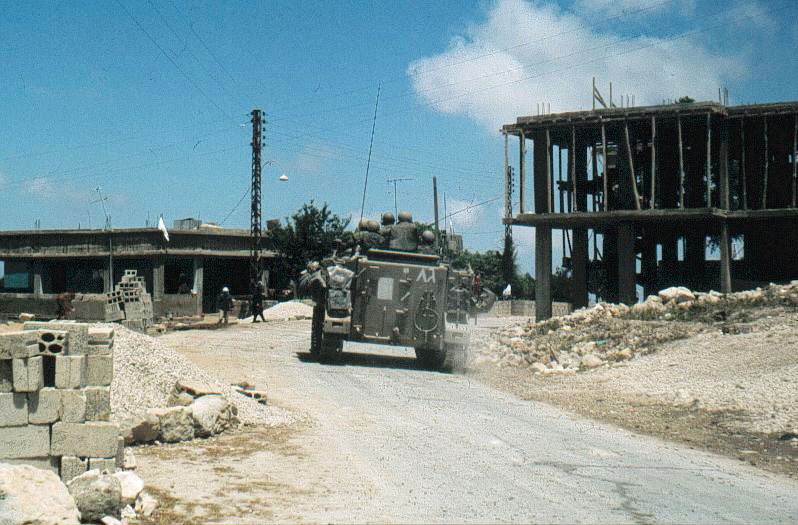
As the Arabic Lebanese Army launched attacks into Israel, the IDF responded by invading Lebanon in 1982 to expel the radical elements. The Ayatolla had recently taken over Iran (1979) and saw an opportunity to back the Shi’ites in Lebanon and Syria. Iran united Islamist factions into one coalition it funded called Hezbollah.
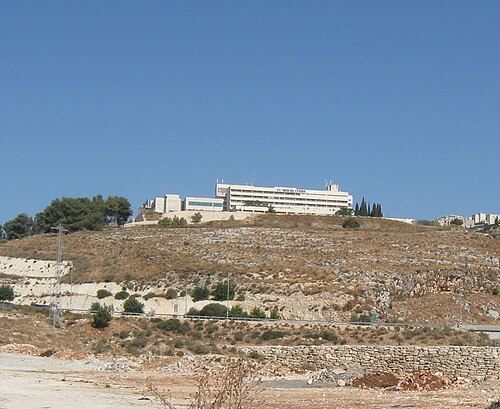
Her mother got wounded in that war, and, then 17, Brigitte had to escort her to Israel for treatment. The ambulance service was free, paid for by Israel, but the Lebanese driver charged her $30, while the Israeli driver taking her from the border to the Ziv Medical Center in Safed charged her nothing, even though she offered to pay.
“That was my first experience between the difference between the Arabic culture and the Israeli culture,” she says. “I realized that the Lebanese driver basically robbed me. He stole my money.”
In the Israeli hospital she expected poor treatment. After all, for her whole life, she had been told that the Jews were evil people.
To her surprise, she saw doctors and nurses treating everybody with equality, ordering treatments by severity, not by nationality. The Israelis were even treating the jihadi soldiers who had been fighting against the IDF.
“The doctors were treating everyone according to their injury,” Brigitte says. “They did not see religion, they did not see political affiliation, they did not see nationality. They saw people in need. The doctor treated my mother before he treated the Israeli soldier wounded, laying next to her, because her injury was more severe. I couldn’t believe my own eyes.”
The final and full realization came to Brigitte not long after. As two helicopters brought in freshly wounded patients, everyone who could went to the balcony to watch. As she stood there, an Israeli woman came up to her and, hugging her, comforted her.
“Don’t worry,” she consoled. “We’ll take good care of your mother. If you need anything, my name is Leah.”
“I remember breaking down crying because I felt such human equality that I knew it did not exist in my culture,” Brigitte says. “I was standing on the fourth floor of that balcony knowing if I was a Jew standing on the fourth floor balcony of any hospital in any Arabic country, I would be thrown down to my death as shouts of joy of Allahu akbar!”
In all, Birgitte spent 22 days in the hospital. She vowed afterwards to live in Israel. She became a journalist reporting from Jerusalem and then married and moved to America, where she tries to educate people about the dangers of extremist Islam.

She has written three books: Because They Hate: A Survivor of Islamic Terror Warns America (2006), They Must Be Stopped: Why We Must Defeat Radical Islam and How We Can Do It (2008) and RISE: In Defense of Judeo-Christian Values and Freedom (2018).
“Not all Muslims are radical; they are the most wonderful people — hospitable, kind, openhearted. Not all of them want to kill you,” says Brigitte, who has been accused of Islamophobia. “However there is such a radical element to the religion. If you are a Christian or a Jew or Armenian raised in the Middle East, you understand there’s a saying: First comes Saturday, then comes Sunday (which means: first we kill the Jews then we come for the Christians).”
Related content: Imam says the Holy Land rightly belongs to Israel, Egyptian Islamist recruiter has a change of heart, woman cured by Israeli doctors does not have a change of heart. Sources: Patrick bet David, others.

1 Comment
Pingback: Almost all Arab states join Team ISRAEL – Pilgrim Dispatch News