




By Shayla Papik –
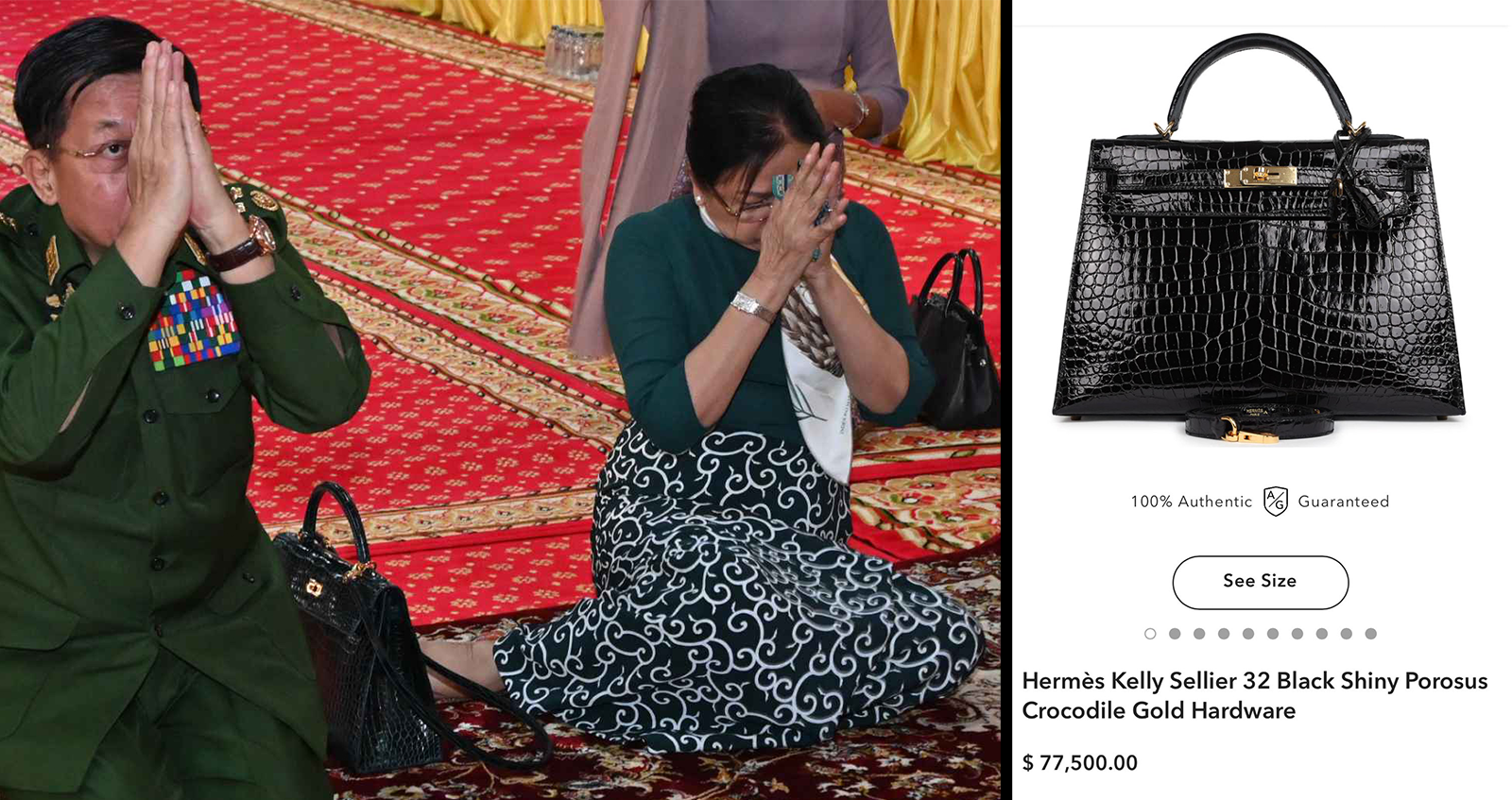
Myanmar makes an estimated $20B in jade sales yearly, but the military government and associates get $16B of it – an 80% exploitation of resources that is backed up by its major trading partner and ally, China.
This is what China does – it empowers rogue nations for its own benefit and doesn’t care about who or how many people get oppressed. China oppresses its people and supports Myanmar, Iran and formerly Venezuela.
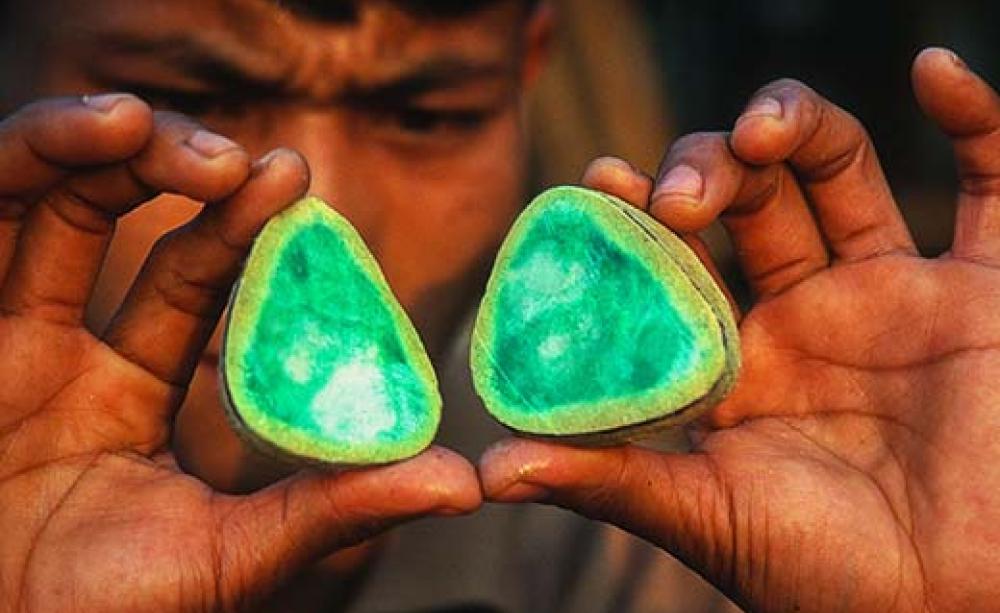
About 90% of all Myanmar jade is sold to China. Myanmar also sells timber and rare earth metals, critical for electronics and green energy tech to China.
In exchange, China provides Myanmar with money, infrastructure, weapons, markets and diplomatic protection.
It’s a mutually profitable relationship for the power-hoarders, but the people of the nation get the short end of the stick.
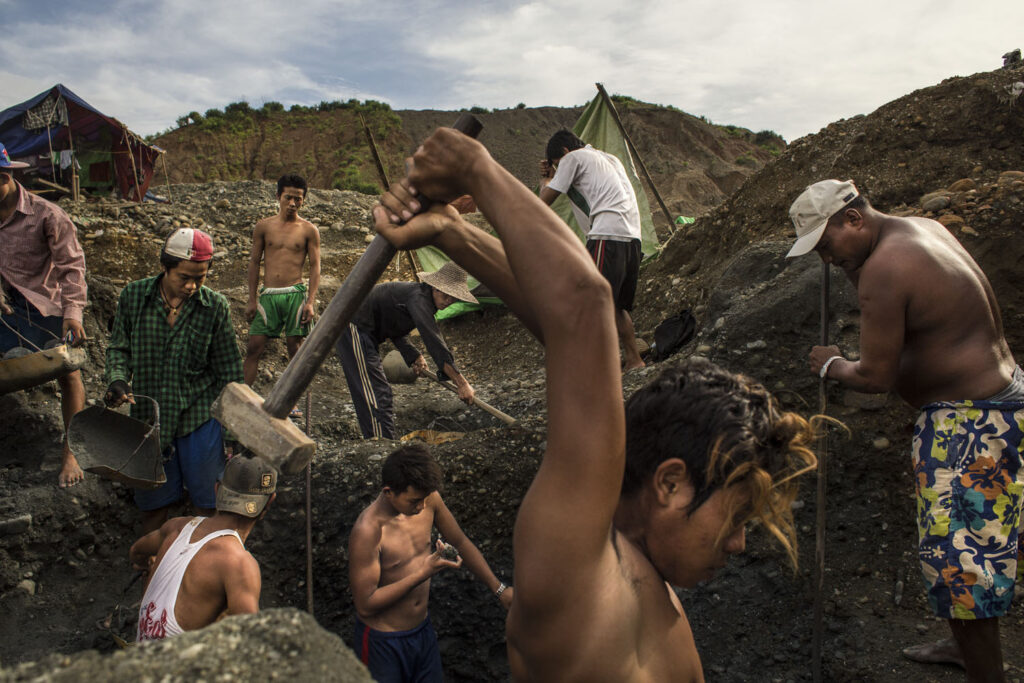
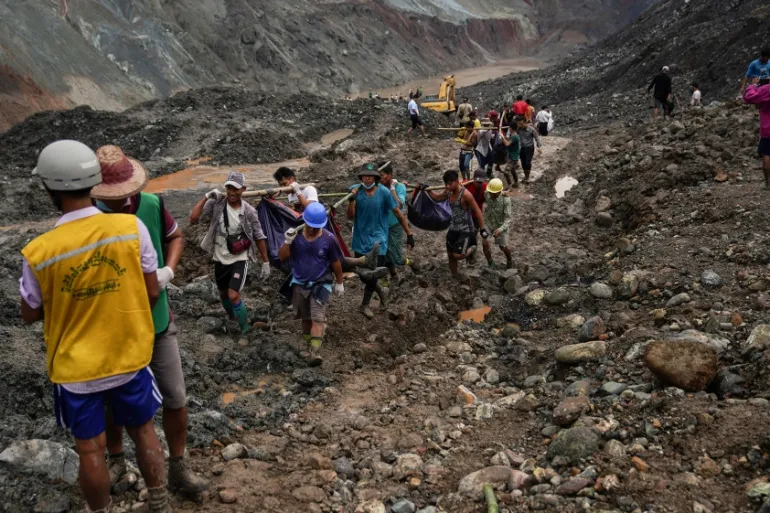
Since 1962, Myanmar’s military, called the Tatmadaw, has seized power and never fully relinquished it – despite allowing limited democracy 2011-’20. In 2021, the military again staged a coup against democratically-elected government of Aung San Suu Kyi.
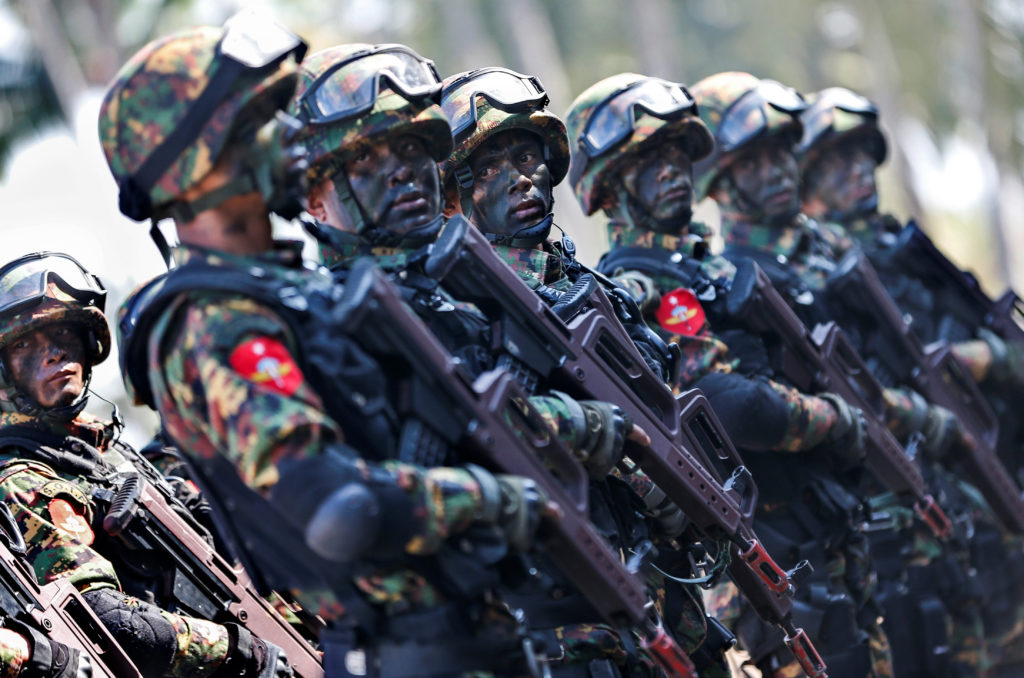
The Tatmadaw calls itself as the guardian of the nation, safeguarding against fracturing of the many ethnic minorities who reside in the mountains surrounding the central plain that is Burmese.
While the Tatmadaw claims to safeguard the nation, it hauls in major money for itself. It holds stakes in companies like Myanmar Economic Holdings Limited, controls licensing, does joint ventures and gets informal payments and rents. Since their operations are secretive, it is impossible to ascertain how many billions they get, sharing with their Chinese partners.
“Countries like China and Russia have blocked or weakened efforts at the UN Security Council to impose stronger measures on Myanmar’s military,” said Human Rights Watch after the 2021 coup.
China has a voracious appetite for jade — it’s a 3,000-year-old tradition. In China, jade symbolizes purity, wisdom, justice and benevolence — none of which are practiced in its acquisition from Myanmar.
If the diamonds of Sierra Leone and Angola were called blood diamonds because of the wars they produced, maybe Myanmar’s jade — for the repression of people groups — should be called Blood Jade.
