




By Olivia Devlin —
Brazilians went from being mainly Catholics and Candomblecistas, who mix indigenous and African beliefs, to having the second most Christian missionaries in the world.
“Brazilians have done a wide range of things from planting churches to doing aid work in some of the toughest places around the world,” says Todd Johnson of Gordon-Conwell Theological Center. “It’s really a story that’s not known by a lot of people.”
Brazil is sending missionaries to far away places like Asia, Europe and Africa. They are using innovative strategies, like self-sustaining missionaries, who work abroad while they minister, and opening coffee shops to get close to people.
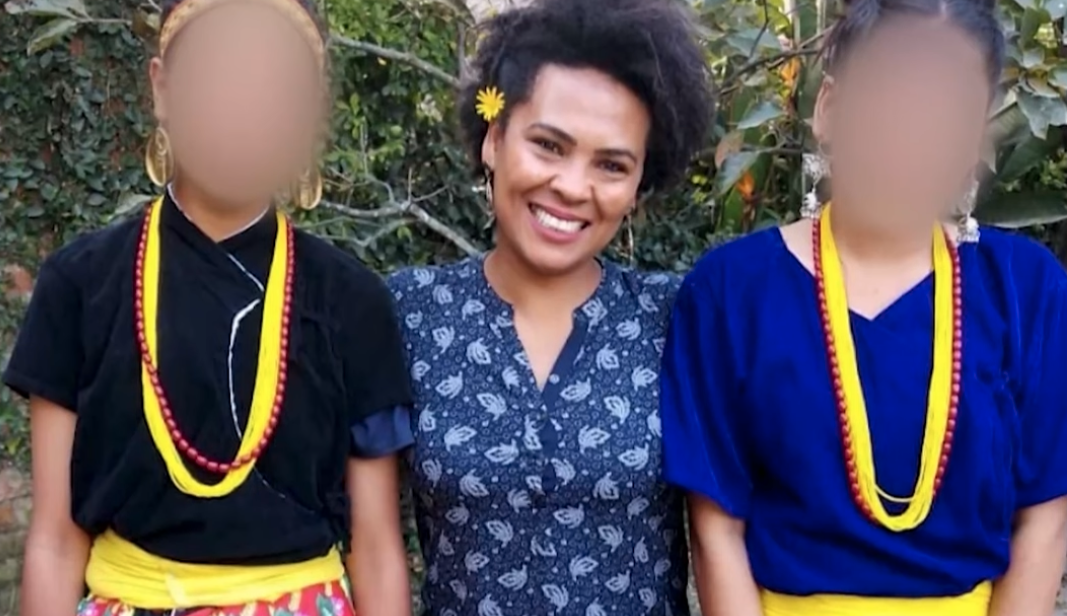
Daniele Silva says her coffee shops throughout Asia and the Middle East gives her the chance for intimate conversation that leads to Christ.

“I’d known about missions since 2005,” Silva says, “I decided to answer this call in 2014. In addition to generating income for that nation and generating local jobs. I can build relationships with people, right? With each person that enters, in my case, a coffee shop, it is an opportunity to make friends and strengthen relationships, and over time, share the love of Christ with others.”
Catholicism was brought to Brazil in the 16th Century by the Portuguese and was the most common religion in Brazil. It has dropped in numbers recently but still remains the most practiced religion. Evangelical Christianity has risen in numbers and has been taking over the amount of missionaries sent from Brazil.
Many missionaries face many barriers, like Danielle did, including new languages, strange foods and unique cultures.

“In the beginning, I had a lot of difficulty communicating,” she continues. “I didn’t know the language, and the food was another shock. It was very spicy compared to what I’m used to in Brazil.”
Marcelo Crivella was a missionary from Brazil in South Africa. He preached to people of color — Zulu, Sotho, Xhosa, Shwati, Shangane — at time when whites kept apart from them under the institutionalized racist apartheid system.
Of course, he wasn’t really white. He just looked white. He was Brazilian.
“We are Brazilians, we are a mix of everything,” Crivella says. “We are not red, we are not white, we are not black, we are not yellow.
“Brazil’s warmth, hospitality, and cultural diversity helps us missionaries connect across borders like never before,” he adds.
Each year, roughly 38,000 missionaries are sent from Brazil to teach the good news of Jesus, which is second only to the US, which has 127,000 missionaries sent.

Breno Vietas was a missionary for 13 years serving in Mozambique and Spain. Raising money through church-giving was stressful. He now promotes the more sustainable model of missionaries working jobs or businesses while they are abroad.
“The original way of doing missions needs to be changed and re-shaped,” Vietas says.
Rebeca Teixeira has been sending missionaries to Portugal for years. She encourages young people in the Foursquare Church to go as missionaries to Europe, which having brought Christianity to the New World has abandoned it.
“Nope, Europe is not dead,” Teixeira says. “We’re just getting started.”
Related content: A surge of Christianity in the Amazon jungles, secular France tends toward Christianity now, Europe returns to Christ. Source: CBN George Thomas.
