




By Alex Brick —
In Iran, Islam is losing, and Christianity is not winning.
Atheism/agnosticism/no religion is winning.
According to GAMAAN’s 2020 survey, Iranians self-identify:
- 40% Muslim (down from nearly 98.5% in 1975)
- 37% atheist/agnostic/no religion (up from almost 0%)
- 1.5% Christian, estimated by Christian groups to be growing significantly
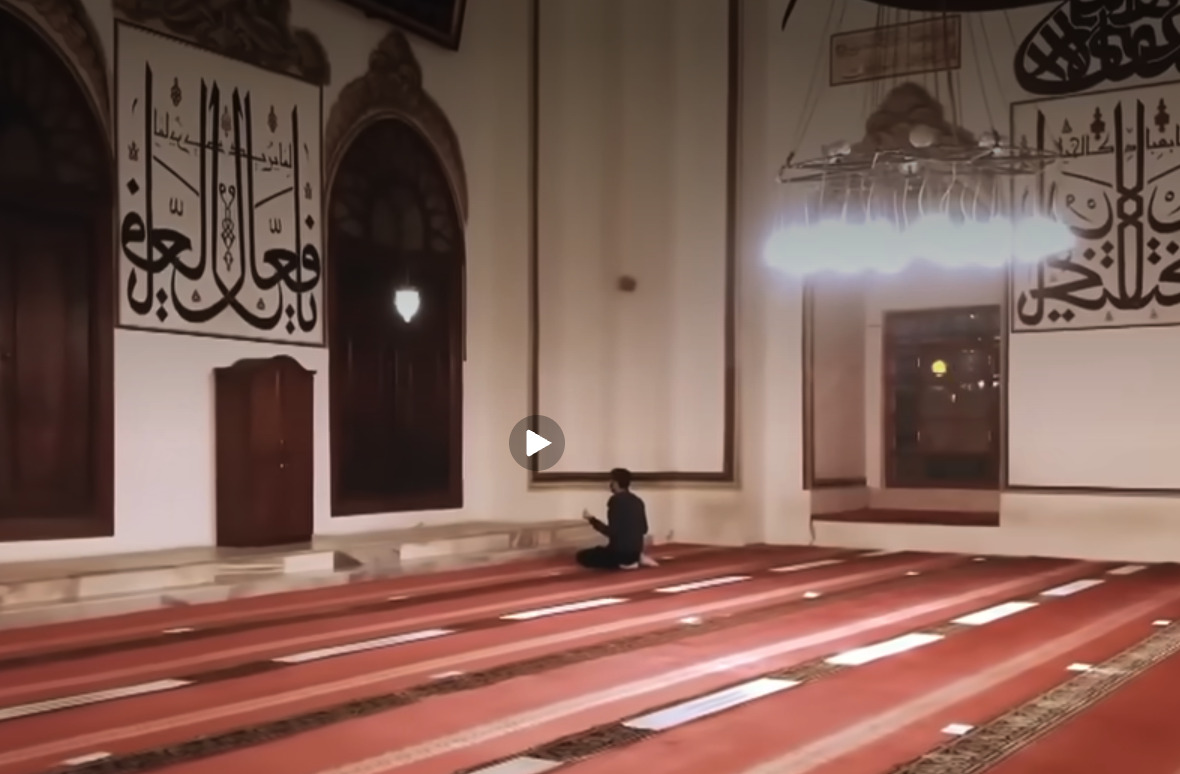
The disillusion with Islam became patent in January when protesters burned down mosques (due to the Iranian Revolutionary Guard Corp’s fusion of fanatical religion and government policy).
But even before January, of the nations 75,000 mosques, roughly two-thirds (about 50,000) had closed, said in 2023 Mohammad Haj Abolghassem Doulabi, a senior Iranian cleric and presidential adviser. Low attendance was a factor.
Even though Christians are “not winning,” they are declaring victory, in part because Christianity jumped from 169,000 before the Iranian Revolution of 1978 to 1.24 million (estimated).
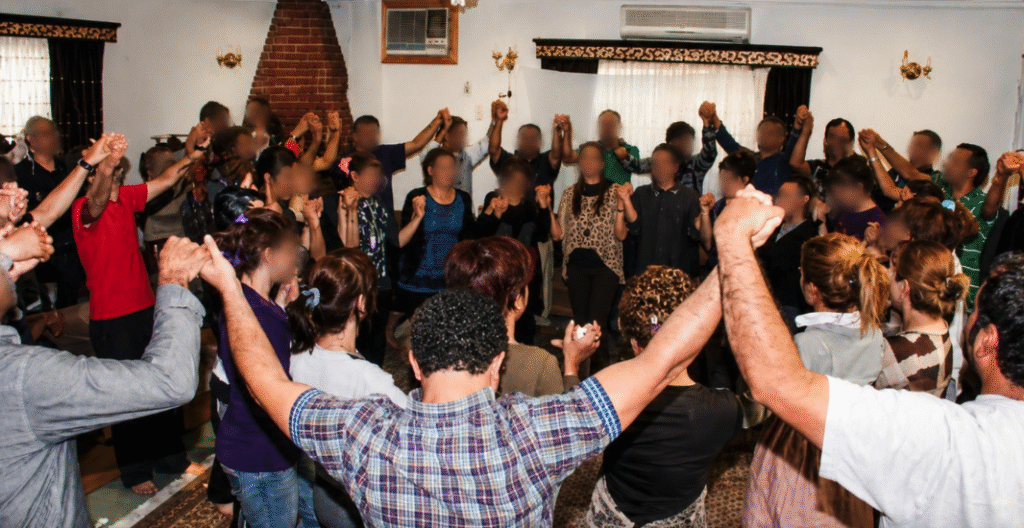
“I will make another outrageous statement,” says Hormoz Shariat, who broadcasts Christian programming into Iran via satellite. “Iran will be a Christian nation.”

David Yeghnazar, executive director of Elam Ministries, agrees: “When I was a child, persecution threatened to wipe it out. Instead, the church in Iran has become the fastest-growing evangelical church in the world today. We believe that Iran is at a turning point.”
Also there’s Mohamad Faridi, an Iranian convert from Islam who documents testimonies of former Muslims on YouTube. “Islam is dying as you have never seen anything die this fast inside Iran,” Faridi says. “Former Muslims are becoming fearless disciples of Christ.”
Part of the exuberance has to come from the fact that atheism fills a void poorly. Rejecting Islam is the hard part for Muslims. Many former ex-Muslim atheists are now Christians.
Another part of the optimism is because conversion to Christianity is illegal and dangerous. If people do it now when their lives are in danger, what will happen when they can freely worship Jesus without the threat of jail, torture and death?
Frustration with government policies is only one source of disillusionment with Islam in Iran. Another is drug addiction; an estimated 2.6% — or 1.2M Iranians — abuse opiates.
“You have a country with one of the highest drug addiction rates in the world. You have a country where corruption runs rampant. You have a country where more than half the people live below the poverty line,” said Todd Nettleton, VP of The Voice of the Martyrs. “And the people of Iran are looking at this, and they are saying, ‘Wait a minute. If this is what Islam has brought us in the last 45 years, we’re not interested. We want to know what the other options are.'”
Iran is the largest Shia Islam population in the world, but before the IRGC took over in 1979, it had a secular, Westernized government. After the revolution, women were strictly required to cover from head to toe, and dissenters were hung from cranes. The government neglected resources management for its population, preferring to aid Shi’ite and anti-Israel military causes around the world.
So much so that Nettleton in 2019 hilariously called Iran’s Supreme Leader the best Christian missionary ever. Due to him, hundreds of thousands of Muslims have been driven away from Islam and found Christ.
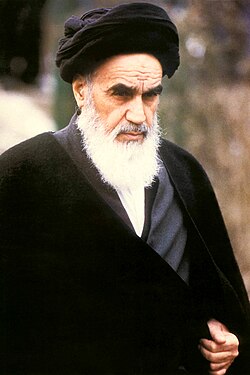
“Over the past 20 years that the greatest missionary in the history of Iran — a history that predates Daniel in the Lions’ Den — is the Grand Ayatollah Ruhollah Khomeini, leader of the 1979 Islamic Revolution that ended 2,500 years of Persian monarchy in Iran,” Nettleton wrote for CBN.
The staunch Islamists who run Iranian government are panicky about Christians. After the June 24 ceasefire, arrests of Christian sparked sharply: 54 Christians were arrested in a month, compared to 40 Christians arrested in the entire year preceding.
Article18 documented arrests in Tehran, Rasht, Orumiyeh, Kermanshah and Varamin. It subsequently identified cases in Amol, Lahijan, Shiraz, Mashhad, Garmsar, Hamedan, Miandoab, Isfahan, Karaj, Takestan, Borujerd, Anzali, Neyshabur and Nowshahr.
Muslim-background converts and house-church Christians are just as vulnerable to arrest as are suspected spies, dissidents and others accused of undermining Iran or collaborating with the West.

2 Comments
Pingback: As Iran Islamized, its people secularized – Pilgrim Dispatch News
Pingback: As Iran Islamized, its people secularized | Mustard Seed Budget