




By Owen Toomey–
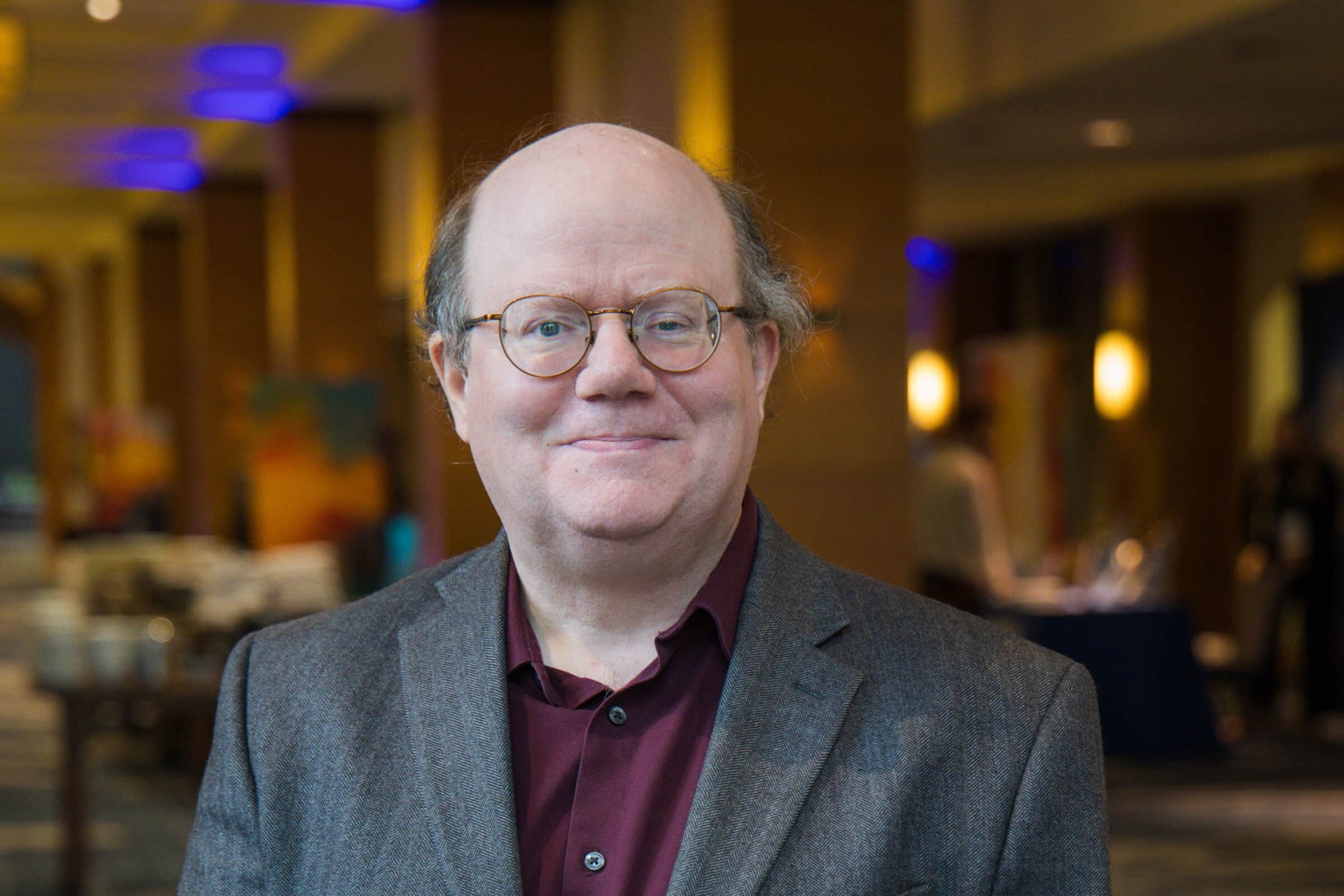
Larry Sanger, co-founder of Wikipedia and a skeptic for over 35 years with a PhD in Philosophy, shocked many by becoming a Christian in his 50s.
“I was dragged kicking and screaming into faith” by delving into research about evil in the world and then delving seriously into self-guided, rigorous Bible study, Sanger says. He was initially reluctant to tell the world of his newfound faith until he studied more. Now he is ready.
Raised in a Lutheran household, little Larry attended church regularly until about age 12. Even then, he questioned Christianity but was often told that he asked too many questions which greatly discouraged him. He informed his family he no longer believed, though his mother prayed for his return, which she later said was answered.
His drift away from his faith began during his teenage years as he was drawn to philosophy and intellectually questioning everything. During his studies, he heard the arguments in favor of God and wasn’t impressed: “They were pretty lightweight,” he says.
He got his PhD from Ohio State University. While he didn’t believe the arguments were strong to think there was a God, at the same time he didn’t outright reject the possibility that there might be a God. He simply didn’t consider it very important to look more at.
But his skeptic’s posture began to crumble. First, he lost his dedicated enthusiasm for Ayn Rand, who advocated the “virtue of selfishness” as the means to provision for the world’s problems (the capitalist sells what the world needs). When he had a child, he realized he would give his life for his wife and child, with no “ethical egoism” whatsoever. It was sacrificial love that he felt, and it eroded his confidence in his first foundations as an independent thinker.
Then a friend “opened my eyes,” Sanger says, to the unparalleled evils of Jeffrey Epstein and the circles of elite pedophiles. As Sanger explored the deep and dark cave of evil, he researched secret societies like the Rosacrucians, Freemasons and New Age adherents. They used a lot of Old Testament symbols, he noted.
Why would they root themselves in the Old Testament? He wondered. He decided that needed to study the Bible; he’d never really given it a fair shake.
He started in Genesis. As he progressed, he wrote down questions: Why did the Israelites need to wash before a sacrifice? Why did was Sarah sexually attractive to Ahimelech when she was 90 years old? As he plowed through, he wrote questions and then he found answers from the same Bible.
“It all started to make sense,” he says. “When you ask the hard questions and you really try to get to faithful answers the answers of the sort that the people who believed the text had in mind, the original recipients, the smartest of them what they understood, what they had in mind then you will you will discover all sorts of things that that you can’t see in the text. This is the only proper way to understand the Bible.”
He churned out 500 pages of study notes.
“If you’re going to study the Bible and understand it, you have to understand it the way that the people who believe it understand it, not the way that modern scholars understand it because they’re wrong,” he says.
Sanger says that he examined the counter arguments of the New Atheists: Richard Dawkins, Christopher Hitches, Daniel Dennett and Sam Harris. To his surprise, he saw they were “lightweight.” (Atheist Michael Lou Martin does a much better job arguing the case for atheism, he says.)
He also was moved by Jordan Peterson’s reason that brought the Canadian psychologist to faith.
In addition to teaching philosophy in college, Sanger is an American internet project developer and philosopher who co-founded Wikipedia along with Jimmy Wales. He coined Wikipedia’s name and provided initial drafts for many of its early guidelines, including the “Neutral point of view” and “Ignore all rules” policies
“The preponderance of the evidence seems to be in favor of the existence of God,” Sanger says.
