




By Eden Garcia —
Without irony, a Muslim man, Mohammed Hijab, wrote a book about feminism. In Fifth-Wave Feminism, the influencer meant to elucidate from the Muslim perspective but inadvertently demonstrated a major flaw of Islam: men tell women what to think, do and feel.
As a result of the unfair treatment women get in Islam, hundreds of thousands are quietly quitting the religion that lets a man marry four wives, urges a husband to beat his spouse and rewards men with 72 virgins in Paradise to eternally copulate while not specifying anything for women in Heaven.
“We hear apologists constantly claim that Islam honors women and that any oppression is a cultural misunderstanding,” Islam critic Cyberpunk Dingo says. “But seeing women flee in these numbers shatters that facade completely. It sends a message that people who know the religion best are the ones most desperate to escape it.
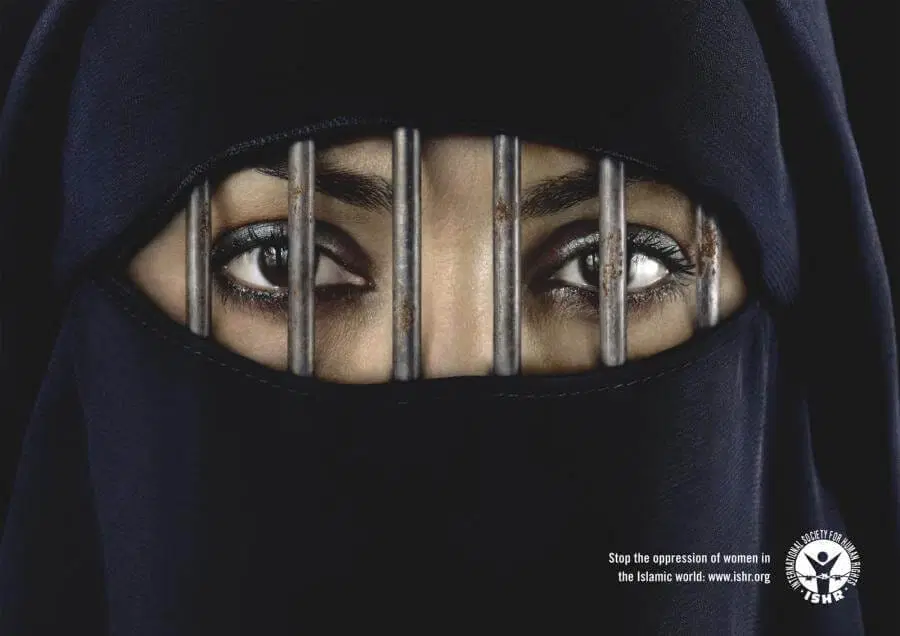
“This new wave of apostasy, this avalanche, as even Islamic preachers have labeled it, is led by ex-Muslim women,” he adds. These women give “cries of pain realizing their religion doen’t view them as equal human beings.”
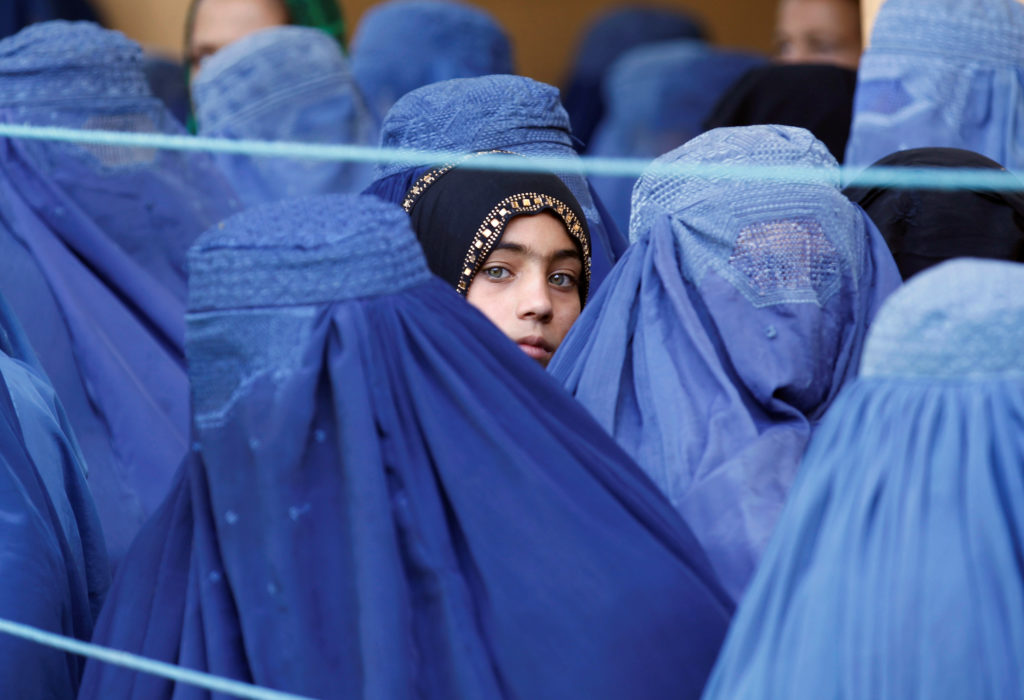
Some Muslim girls accept the inequality: a woman’s testimony values only half a man’s, she must cover her head, she must not go out except with a guardian, she can be forced in marriage (as young as 9 years old), she gets half the inheritance of her brothers. The threat of hellfire or being “honor-killed” cows them into obedience.
Others rankle.
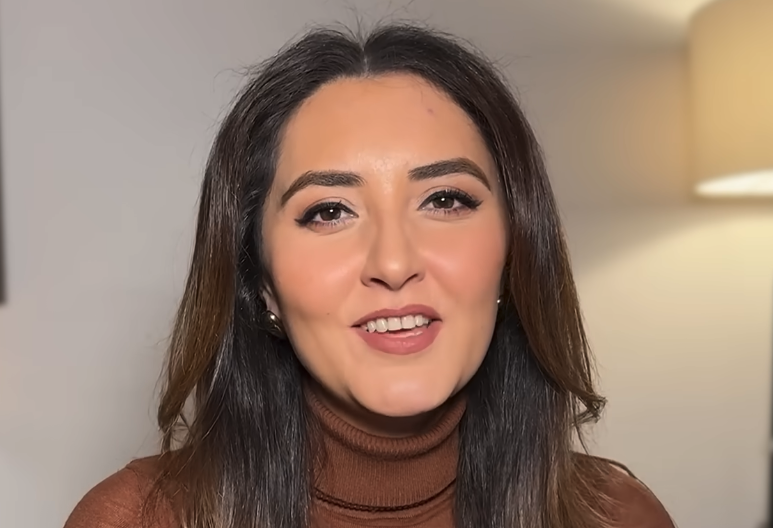
“There are so many people out there who romanticize Islam and they don’t talk about the reality,” says Fariza Gulomikova, a Tajik apostate. “I am sharing my own personal experience of what I’ve seen. People don’t understand how much women in Islam suffer and the abuse that we endure on a daily basis. You get threatened by Muslim men all the time. I do not want to hear another Muslim tell me that Islam is a religion of peace because it is not.”
The catalyst for the growing landslide of apostasy among Muslim women is the Internet. With just a wifi connection, Muslim women can now find others with the similar feelings, doubts, questions and misgivings. They can find support, through anonymity, in countless groups and threads to vent their frustrations and find solidarity.
On Faithless Hijabi website, of the 160+ ex-Muslim women, many still wear the hijab out of fear of retaliation but confess they have stopped believing. “I’m a hijabi (meaning, she wears it but doesn’t want to), so are my sisters,” says a 22-year-old Middle Eastern/Central Asian woman. “We’re not Muslims. I have to wear it. I hate every second of it.”
They go through the motions of praying and fasting. They don the hijab because the confrontation from family can be intense — to the point of killing her to save the family’s “honor.” Muslim women in the West MAY stop wearing hijab (though they may be kicked out of their family), but those inside Muslim countries don’t have such liberty.
“Honor killing in a Muslim society happens all the time,” Gulomikova says. “People don’t understand that there are women who are losing their lives because they maybe chose to date a Christian. Maybe they chose to take off their hijab. Maybe they chose to leave Islam. It happens all the time and unfortunately it happens to women. Women get abused in Islam more than men.”
The Iranian Revolution is a case in point. The stern Ayatollah Ruhollah Khomeini preached against the westernization of Iranian women (mini skirts and what not) until his liberal counselors advised him to rail more against colonialism to broaden his appeal.
But what was the first “reform” when he took over in 1979? The removal of women’s liberties through implementing misogynistic 7th century values of Mohammad and crew.
The nation didn’t want him anymore, but it was too late. Their police state executed Draconian justice on dissidents.
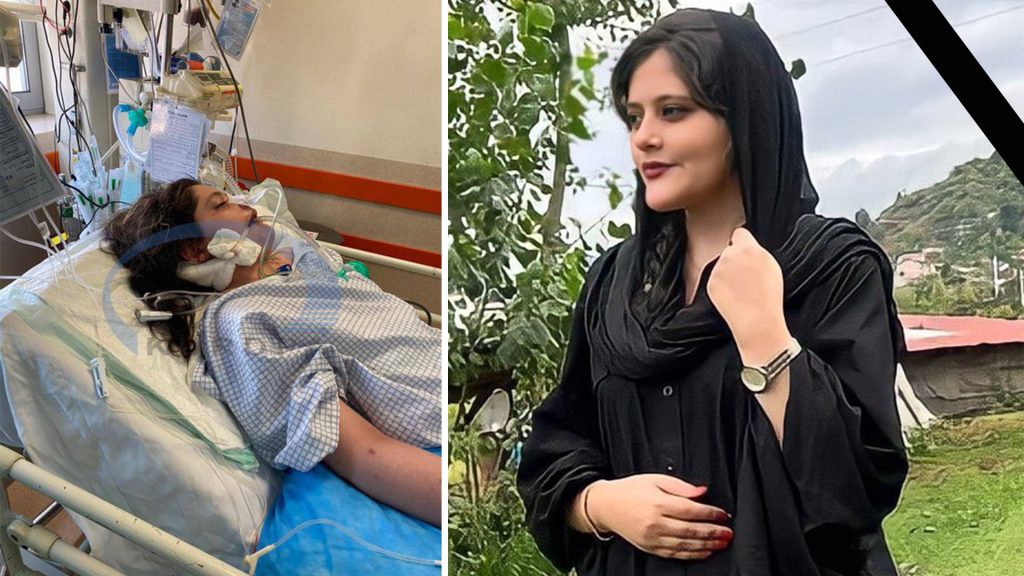
When the issue of women’s rights surfaced again when Mahsa Amini was killed by morality policy for not wearing her hijab correctly in 2022, the ensuing protests in the streets sparked a crackdown that left 550 dead.
Women, as psychologist Jordan Peterson has noted, tend to be the guardians of the status quo, which may account for widespread acquiescence.
On the other hand, if the woman abandons Islam, it’s not just one person leaving. It is she and all her children.
“Tradition views women as the moral backbone of the family and the primary teachers of the faith. They are the ones who teach the kids to pray,” the Dingo says. “So if a mother secretly stops believing, that chain of transmission snaps. Sociologists have noted that if Islam loses its women, it loses the future. This exodus also destroys the credibility of the faith from the inside out.”
Previously, Islam could suppress dissent. In 10-12 Islamic countries, apostasy is STILL punished by with the death sentence. They are Afghanistan, Brunei, Iran, Malaysia (in two states), Maldives, Mauritania, Qatar, Saudi Arabia, Somalia, United Arab Emirates, Yemen and northern regions of Nigeria.
But the internet allows for anonymous navigation and anonymous posting. It allows for using a VPN to circumvent country bans on sites critical of Islam. These facts are changing the game for women.
“What we are witnessing is the rise of what you could call a sisterhood of dissent,” explains the Dingo, who was born into Islam in Maldives. “Despite the very real dangers, including violence, by the way, women are stepping into the light and building their own support networks.”
They are not leaving because they want to sin or adopt Western culture. “They are leaving because they experience a moment of profound moral shock,” the Dingo says. “They realize the ideals they were taught to revere were actually at odds with their own dignity. They feel betrayed by the very text they were raised to revere. The cognitive dissonance eventually snaps. They grow up hearing how Islam honors women. Then they open the Qur’an and find verses explicitly permitting a husband to use physical violence to discipline his wife (Qur’an 4:34).”
S.E., an Iranian ex-Muslim says she was forced to a high level obedience to “honor” her family. She objected: “I am not your honor. Do not seek it in me.” Born in the Gulf to a deeply religious Iranian Shia family, S.E. wore the hijab from age 9.
She describes being taught that exposing even one strand of hair would result in punishment in hell. Her sister were beaten by her brothers after secretly meeting her fiancé. S.E. herself was beaten by her mother after giving a boy a high-five.
Eventually she secretly escaped her family: “I am not a coward for running—for facing you means death, and I wanted to live.”
Jana, a Turk, says she had to pretend to be Muslim. Her father only became religious after making the Hajj, pilgrimage to Mecca. He became violent and controlling, forced her mother into hijab and made Jana wear hijab and pray when she was only 6.
Jana spent years pretending to be Muslim to avoid her father’s violence. Her atheist partner even pretended to be a devout Muslim so her father would approve their marriage. Eventually Jana told him outright that neither she nor her husband believed in Islam.
According to Jana, her father threatened to find her, kidnap her, force her back into Islam or kill her. She says she subsequently underwent trauma therapy.
Sources: Faithless Hijab, Cyberpunk Dingo, Fariza Gulomikova, others.
