




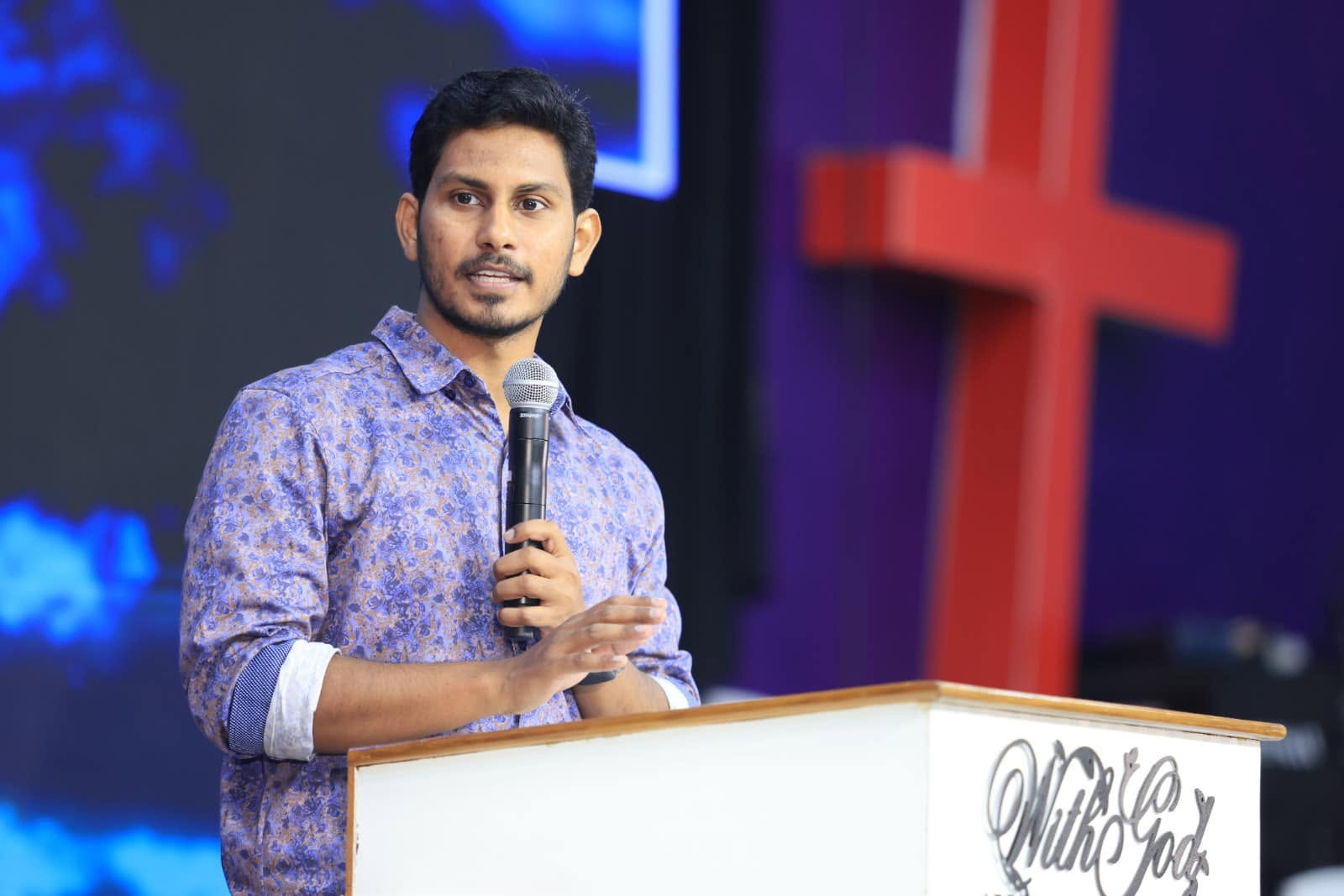
By Landon Nayoan –
While scores of richer Indians got rejected for the U.S. visa, Issac Sastry got accepted. He graduated Bible school. He was given a six-figure-salary ministry position, a car and paid insurance. He was expecting his green card. By age 26, he had realized the American Dream.
Then “I gave my resignation and jumped on a plane back to India,” Sastry said. He is now assistant pastor of Carmel Central Church in Eluru, Andhra Pradesh.
Not many people from the developing countries return voluntarily once they’ve “made it” in America, but Issac Sastry followed God, not money.
“The Holy Spirit reminded me these words: Isaac, are you willing to let go of this good thing so that you can experience the call of God in your life?” he remembers.
Issac Sastry was born into a family of preachers. His great grandfather was a Hindu priest and scholar that missionaries gave a Bible to. He read it to discredit it.
“He started reading the Bible to find faults in it,” Sastry says. “But the Bible found fault in his life. He gave his life to Christ.” He co-founded the Indian Pentecostal Missions.
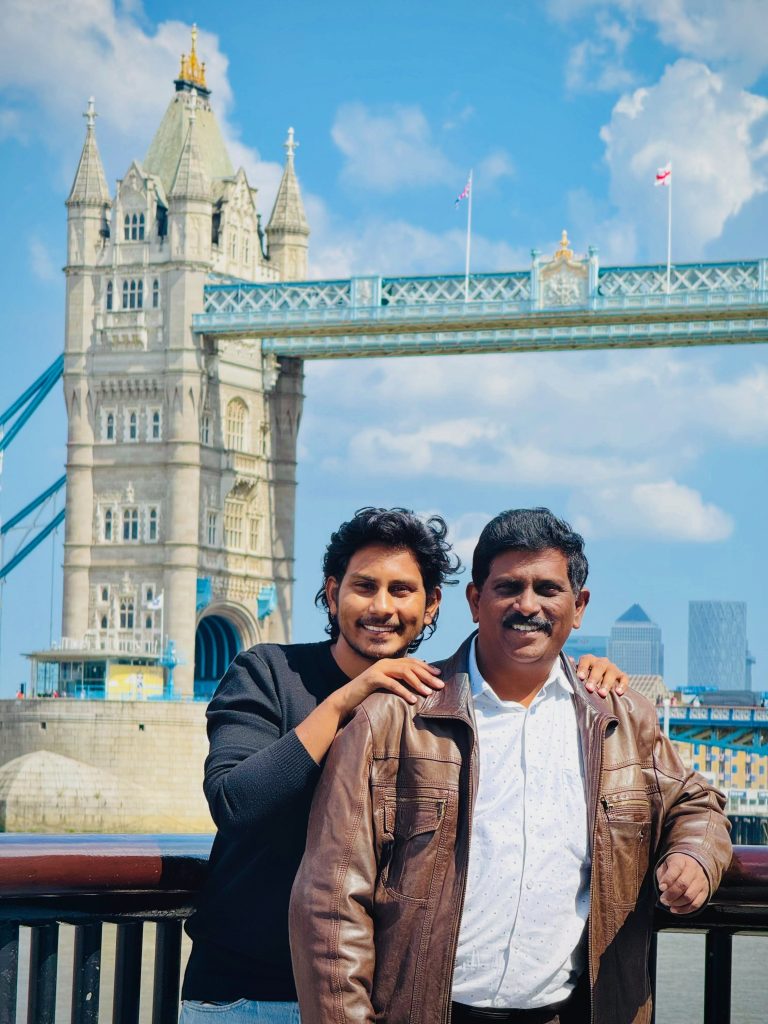
Although he was raised in Christian doctrine, Sastry began to doubt at age 16 when the Gospel didn’t seem to have any relevance. It caused others to reject him, so he rejected God.
“I was praying and nothing was happening. I thought this was all a fairy tale,” Sastry remembers. “I remember telling the Lord, I don’t need you anymore. I’m done with this Christianity. I’m done putting on a show. I’m frustrated. I don’t want to do anything with Christ.”
All of a sudden, his friends (who previously rejected him) called saying they wanted to come over. The timing seemed like God.
In preparation for his friends coming over, Sastry decided to re-park his dad’s brand new car – even though his father had forbidden him to use the car.
As he was moving it, he realized the brakes weren’t working. In a panic, he punched the accelerator.
“I crashed it right in front of the compound wall at my house,” Sastry tells. “Everyone who saw the car, even the insurance people, were asking how is the driver? Is he alive? Is he alive?”
Sastry got a deep gash on his forehead but was otherwise ok.
He expected his dad to scold him. The car was totaled.
Instead, “for the first time in my life, I saw tears in my dad’s eyes, tears rolling down,” Sastry says. “He’s a typical macho Indian man. He never cries. He never shows emotion.”
Dad took him to the doctor – still no scolding.
“In the hospital bed I remember my dad holding my hand and said, Son, I love you. I’d never seen my dad having this much of love towards me,” Sastry recalls. “That changed the view of the father.”
He had just renounced God because of suffering rejection when he got lavished with a surfeit of acceptance.
“If the father who is in this world can love me like this,” he reasoned, “how much more the Father who is in heaven can love me?”
He was restored to God.
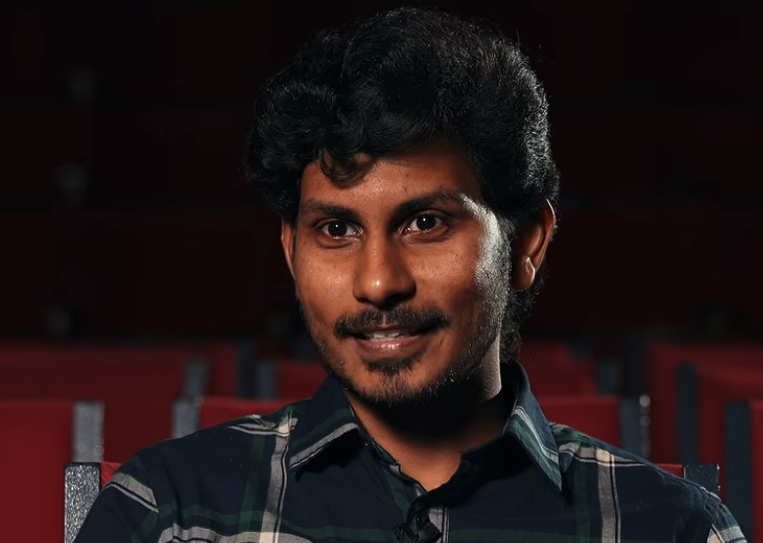
Later, he applied to study at Christ for the Nations Institute in Dallas, Texas. He got the visa while many other Indians did not.
Upon graduation, he was offered a position at Dr. Tony Evans’ megachurch (13,000 members).
At the time, Sastry planned to support his father’s ministry in India from afar. His father didn’t want money.
“Issac, I don’t need your money,” Dad told him on the phone. “Even God does not need your money. God needs you.”
After some prayer and soul-searching, he relinquished his personal dreams for an easy life: “Sometimes it’s not the bad things that you have to put to rest. Sometimes it’s the good things that you have to let go of.”
At work, he got a promotion offer with doubled pay, and his Green Card was due. His colleagues planned to celebrate.
Instead, he resigned and flew back to India.
He’s been blessed and a blessing in Andhra Pradesh.
“It’s not your ability,” Sastry says. “It’s your availability that God sees.”
