




By Kirollos Abdalla —
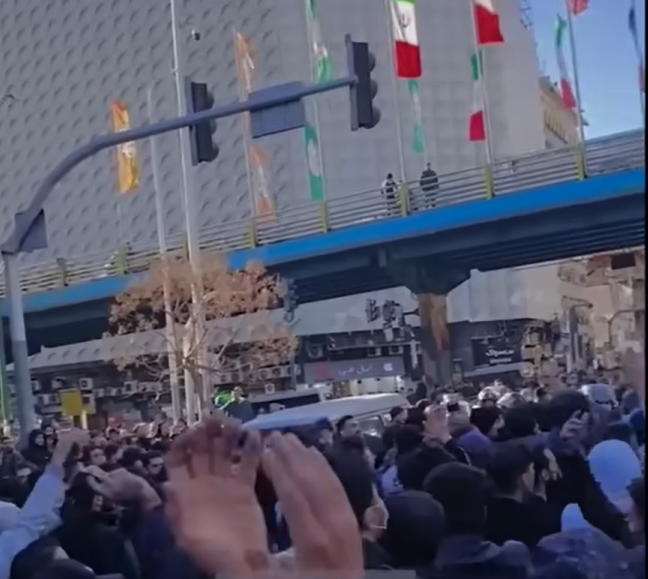
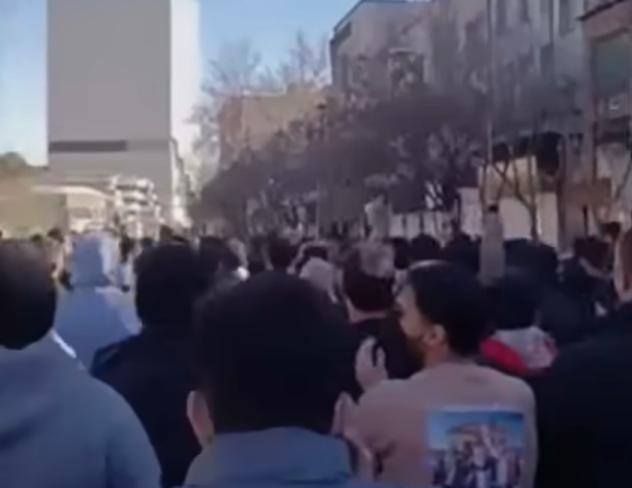
At great peril of life or liberty, protesters marched en masse through Tehran, calling for the overthrow of the Islamic occupiers, and the Iranian Revolutionary Guard Corps has not be able to muster forces to quell the demonstrations.
Videos released from Iran show public expressing outrage that the government has spent its money fighting a war against Israel and America while letting its citizenry go to pot — with massive strikes in most industries, a 300% inflation rate, an insanely devalued currency and water shortages in Tehran.
“Don’t be afraid, don’t be afraid, we are all united,” they chant in one video, as translated by Mahyar Tousi who monitors events in Iran from the U.K. where he reports.
Meanwhile, Iran has declared war on Israel and the United States. President Donald Trump met with Israeli Prime Minister Benjamin Netanyahu to authorize decisive and immediate strikes against Iran’s continued attempts to fabricate ballistic missiles and restore its nuclear program.
“Long life the king,” another group chants. The king, Mohammad Reza Shah Pahlavi, was deposed by the Iranian Revolution in 1979, that ushered in the new Supreme Leader Ruhollah Khomeini and imposed austere Islam. Ali Khamenei is his successor since 1989.
“Death to Khamenei!” they chant in another clip.
Crown Prince Reza Pahlavi, the son and heir to the throne, in exile, encourages protesters in Iran to seize control and forge their destiny. He has promised to oversee a transition to a democratic society and make Iran a peace-loving and prosperous country.
“As long as the regime is in power, the country’s economic situation will only worsen,” Pahlavi said per translation. “The time has come, now more than ever, to keep up your solidarity. I ask all sectors of society to come join their compatriots who have taken to the streets and call for an end to the regime.”
Resignations have been rumored, as military personnel have pledged loyalty to the Crown Prince. Mohammad Reza Farzin, governor (head) of the Central Bank of Iran (Bank Markazi), submitted his resignation amid sharp currency decline and rising inflation.
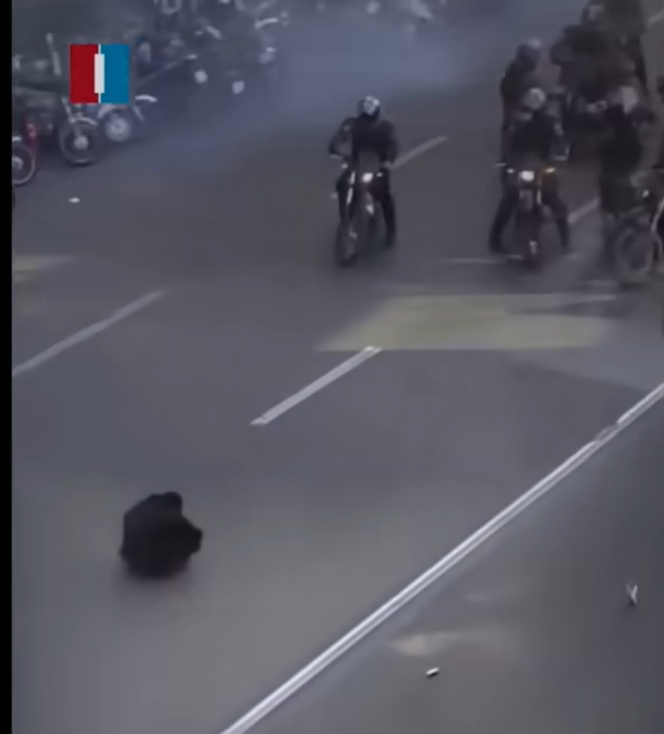
When protests break out, the Iranian Revolutionary Guard Corps typically suppresses them with lethal violence (but this time, security forces have yet to materialize on the streets):
- 1979–1981: After the revolution, the IRGC helped crush leftist, secular and monarchist groups,
- July 1999 (Tehran and other cities): Student demonstrations over press freedoms were violently suppressed.
- June–December 2009: Following disputed presidential election results, millions protested nationwide.. IRGC and its Basij militia used live ammunition, beatings and mass arrests. Dozens were killed, thousands detained.
- December 2017–January 2018: Protests over inflation and unemployment spread to dozens of cities. IRGC was deployed to restore order. At least 25 people were killed, according to official figures.
- November 2019 (fuel price protests): The deadliest crackdown in the Islamic Republic’s history. IRGC units used live fire in multiple cities. Human rights groups estimate 300 to more than 1,000 killed.
- Mahsa Amini protests September–December 2022: Protests erupted after the death of Mahsa Amini in morality police custody. IRGC took a lead role in suppressing unrest. Hundreds were killed, including minors. Thousands were arrested; several protesters were later executed after trials criticized as unfair.
- 2023–2024: Periodic protests over hijab enforcement, water shortages and economic issues were quickly contained, often with IRGC involvement, though on a smaller scale than 2019 or 2022.
Sources: Tousi TV, others.

2 Comments
Pingback: Islamic occupiers on the run in Iran – Pilgrim Dispatch News
Pingback: A moderate Middle East: trade, not terror – Pilgrim Dispatch News