




By Daniel Khororshchak —
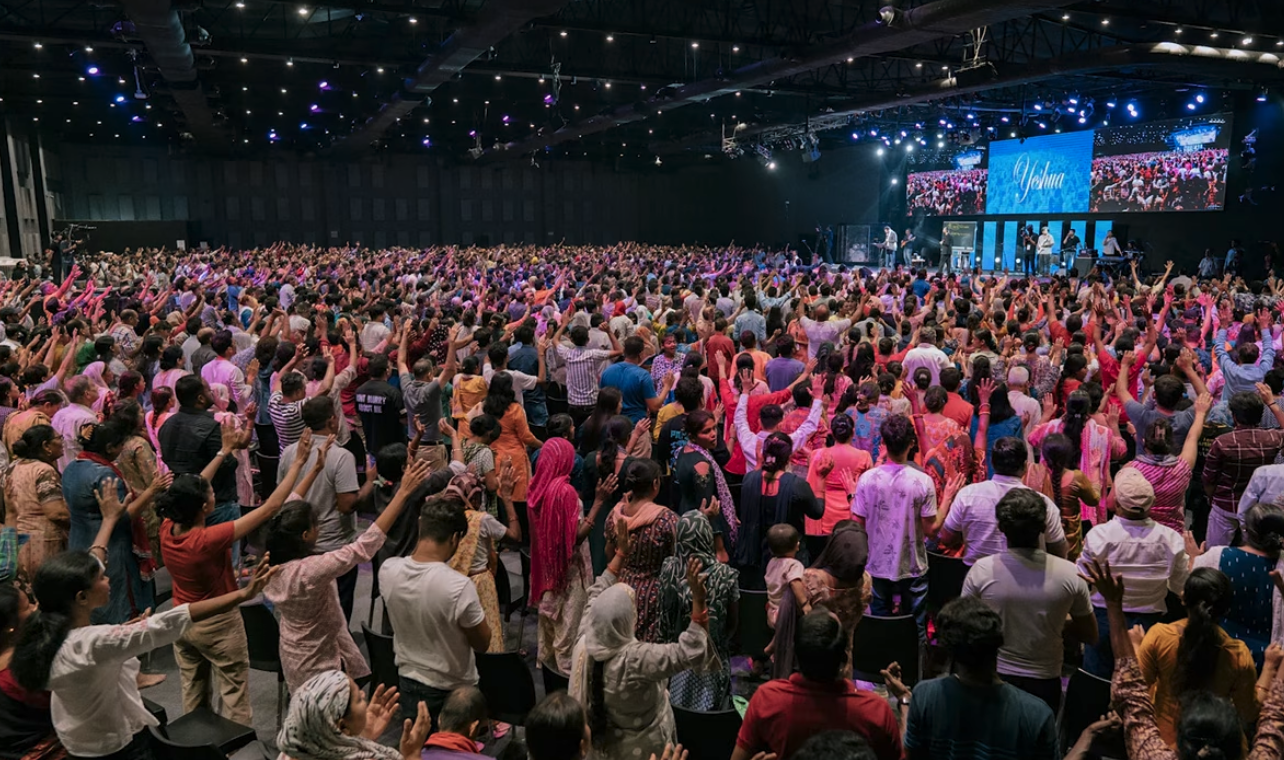
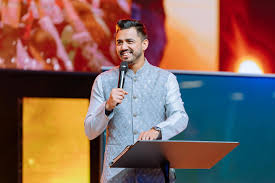
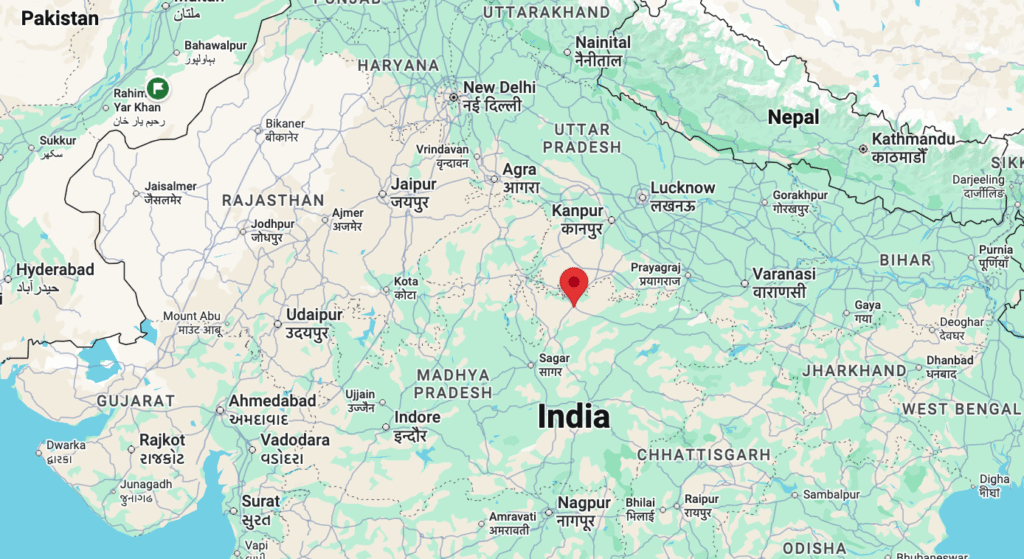
Right in the heart of Hinduism‘s stronghold in Chhatarpur, Dehli, 31-year-old Pastor Ankit Sajwan leads a church of 40,000 Christians called Faith Arena, says investigative journalist Mathew Samuel. Congregants have converted from Hinduism and Islam; none of them were forced, a fact he must add to dismiss India’s anti-conversion laws.
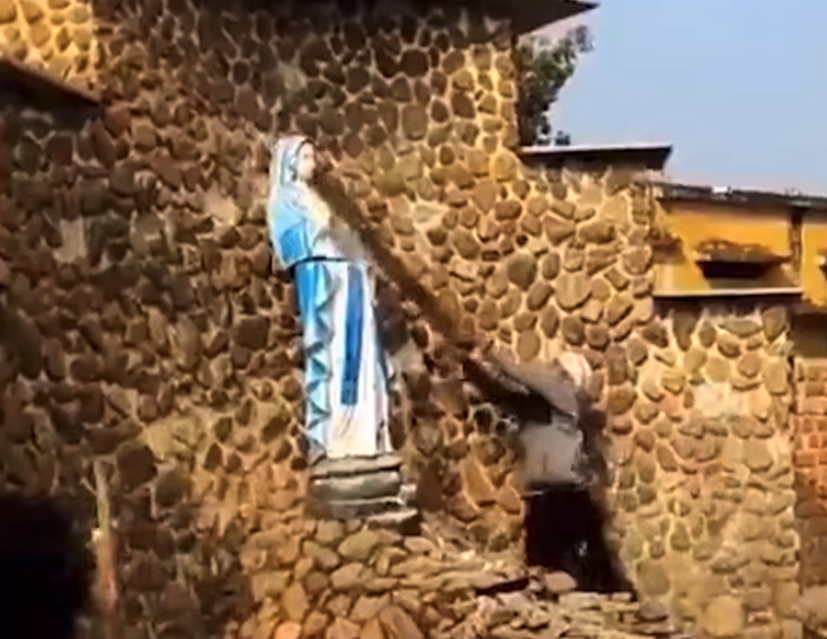
“Anti-conversion laws exist in eight states. Hundreds of people have been arrested in the last few years under these laws. Churches have been vandalized. Pastors have been beaten. False cases have been filed,” Samuel says. “Yet the opposite of what was intended is happening. Every attack, every arrest, every demolition makes the prayer meetings bigger. The crowd grows. The faith becomes stronger. This is not theory. I have seen it.”
Samuel’s firsthand, eyewitness experience suggests that India’s 2011 census, which pegs Christianity at 2.3% of the population, may be woefully out of date. Mass conversions are happening despite the Hindu hardliner government of the Bharatiya Janata Party (BJP) exerting influence to stop it, he says.
“India is changing in ways many people sitting abroad do not fully realize,” says Samuel, whose journalism has exposed corruption and brought resignations from politicians. “This is not a foreign conspiracy. This is not money from abroad. This is ordinary Indians, Hindus, some Muslims, mostly from humble backgrounds choosing a different spiritual path because they feel something is missing in what they had before.
“North India is witnessing a massive Christian revival. It is not forced, it is chosen,” he adds. “From Chhatarpur’s 40,000 every Sunday to small village prayer groups meeting under trees, it is happening right now.”
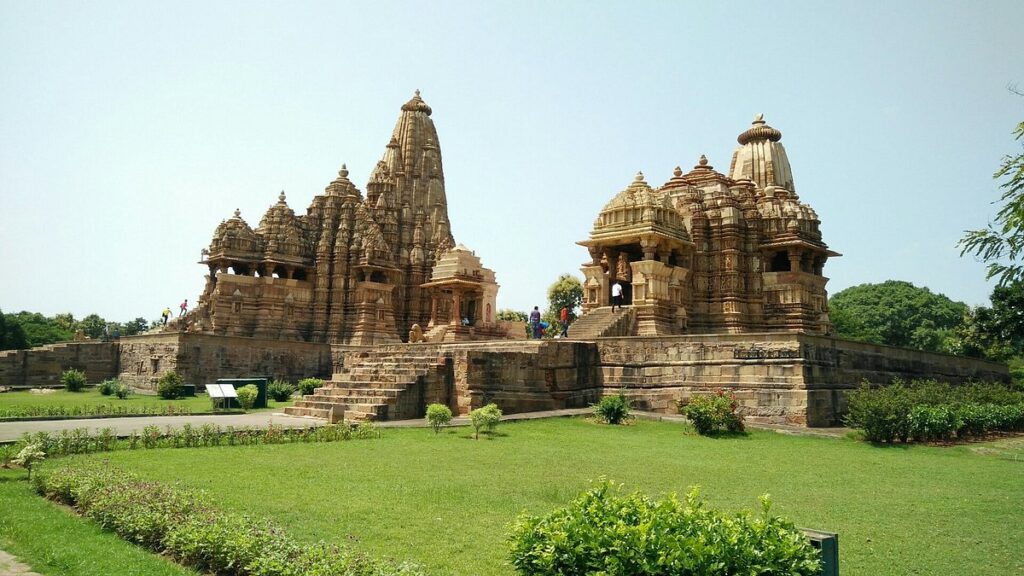
About two miles off the main road, Faith Arena sits amid Hindu temples and “god men,” gurus who promise miracles in exchange for money. People starting pouring in on Sunday at 4:00 a.m. The sanctuary sits 22,000, and tents outside surrounding the building simulcast for late-comers who couldn’t grab a seat.
One hundred paid security guards and 200 volunteers keep order. In the parking lot, Samuel said he walked the five parking lots glancing in cars, seeing evidence of Hindu background: Ganesh idols, Hindu dieties, saffron flags. “Nobody was forcing them,” Samuel says. “They came on their own, many traveling long distances.”
From the Chhatarapur Metro station, some 15 buses continuously picked up the faithful and drove them to church. On the YouTube livestream, another 13,000 watched.
If not forced conversions or enticed with the promise of money, what is causing this explosive surge of Christianity?
“The reason people give is simple. They experience healing. They find hope. They feel accepted in a community where caste does not decide your worth,” Samuel reports. “Many say they were tired of rituals that felt empty. Tired of spending money on god men and babas who promised miracles but delivered nothing. Here they say they found something real.”
Pentecostal and evangelical Christianity is the fastest growing segment of Christianity in North India, especially in urban and semi-urban areas, in many districts of Uttar Pradesh, Haryana, Delhi NCR and parts of Madhya Pradesh, Samuel says.
Pastor Ankit Sajwan grew up in Uttarakhand, born into a traditional Rajput family. While studying engineering, he fell seriously and found no help with doctors. Then he tried Jesus, and praying he says he was healed.
“This is not a movement brought by outsiders or foreign missionaries,” Samuel says. “This is completely homegrown, a North Indian believer reaching out to other North Indians in their own language, culture, and context.”
The harsh blowback from Hindus striving to conserve the religion as part of their national identity cannot stop the move of the Holy Spirit.
“Even in Madhya Pradesh, despite frequent (court) cases and attacks, attendance at prayer meetings has doubled and tripled after incidents of violence. Why? The answer people give is painful but real. Many from backward classes and Dalit communities feel they are still treated as secondclass even after 75 years of independence,” Samuel observes.
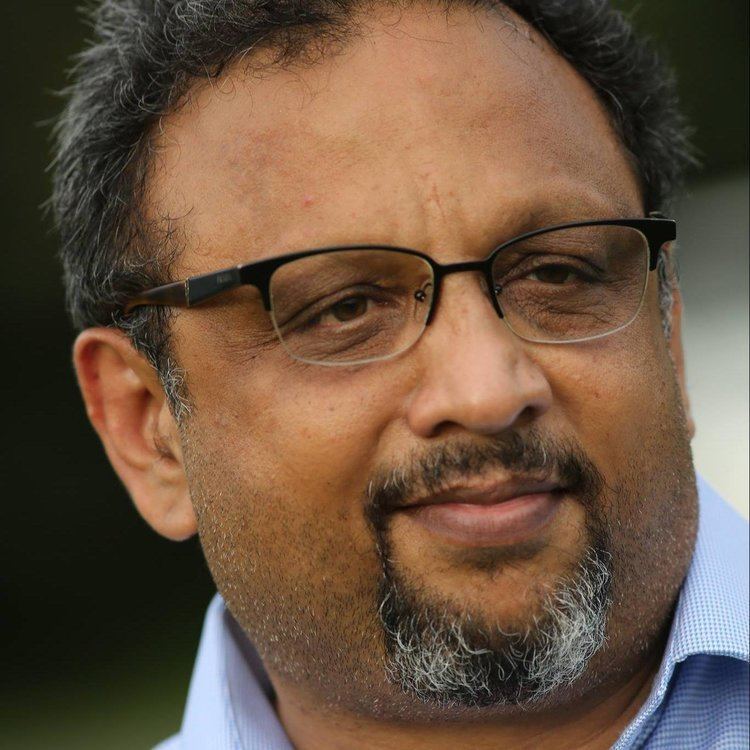
“Uppercast domination in temples, in social life, in marriage, all of it continues. In these churches, they find acceptance. No one asks for caste certificates. No one looks down on them. They are welcomed as brothers and sisters,” he adds.
“Educated youth, engineers, IT professionals, college students say they were searching for meaning beyond materialism. They were tired of endless rituals, expensive pujas, and god men who take money but give nothing in return. When they prayed here, when they saw lives change, they stayed,” Samuel says.
Related content: Jamie Lever, Indian finds science not at odds with faith, she vowed she would never leave Hinduism. Sources: Mathew Samuel Official.

1 Comment
Pingback: She didn’t need to go to U.S., prospered in India – Pilgrim Dispatch News