




By Lilah Hosni —
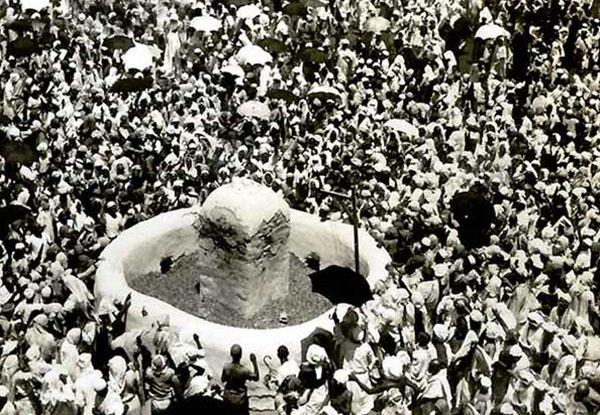
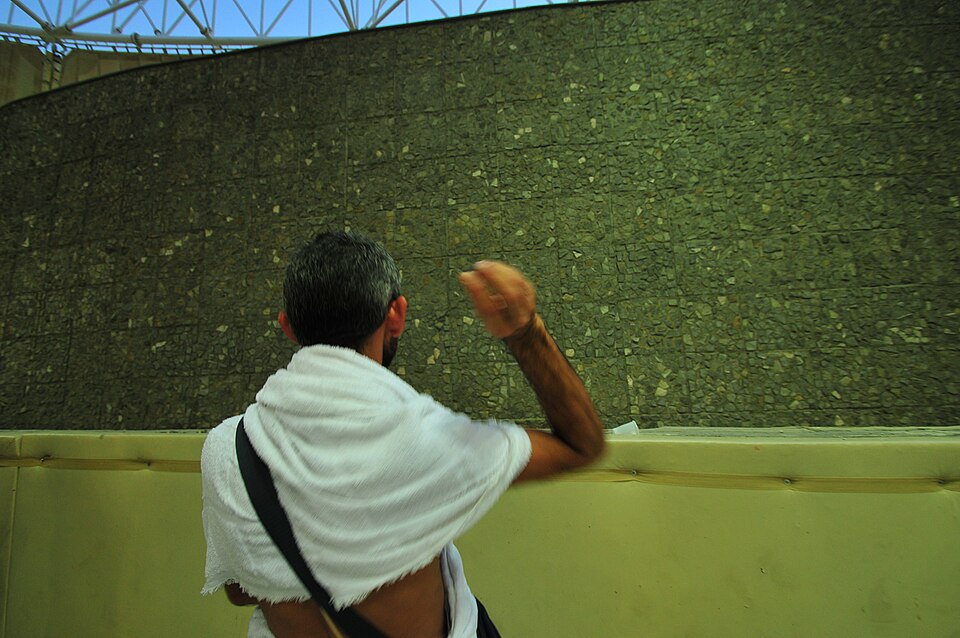
Saudi religious officials changed the story of the jamarāt, the ritual throwing of stones just outside Mecca. It used to be, you were stoning the devil himself. Now, you are re-enacting the supposed three temptations of Abraham.
“The narrative has changed now suddenly since 1980,” says Dr. Jay Smith, an expert critic of Islam. “In the last 40 years the narrative has changed as the reason why they’re stoning. If the narrative is changing even as we speak, why are we surprised that this doesn’t get changed all the way through the century?”
If Islam has changed now, has it changed all along through the centuries? The question is disturbing to those who believe that Islam is the last and authoritative iteration of Abrahamic religions. It was said for centuries that the Qur’an was “perfectly preserved” by Allah himself, a now-debunked idea that was used to win converts.
Islam has a rock problem.
There’s the problem of the jamarāt — it used to be a pillar, then three pillars, now a wall (so that no missed throws wind up injuring someone on the other side) — is just one of the problems.
Other problem are the Ka’aba and the black stone.
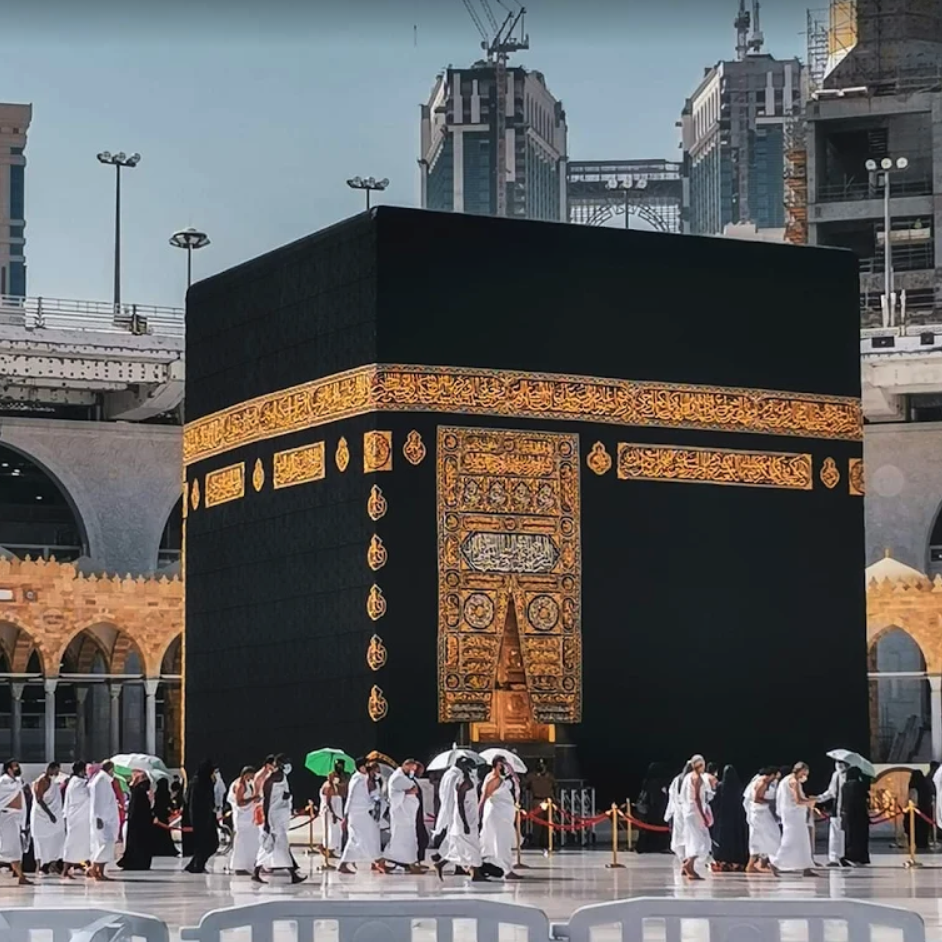
According to Islam, Abraham and his son Ishmael erected the black rock building, the ka’aba, in Mecca dedicated to Allah.
A problem: Other historical evidence (the Bible) records no such action. Abraham was never near so far south. He was in Ur, Haran, Canaan and Egypt. It records nothing about a 600-mile journey south to Mecca area.
Of course, the believers in the Qur’an simply shrug off the other historical evidence by saying the Bible got corrupted, without providing evidence, throughout the centuries.
Then there’s the black stone, called al-Hajar al-Aswad. It is embedded into the eastern corner of the Ka’aba. Pilgrims try to kiss it, touch it or at least point to it as the circle the Ka’aba seven times as part of the ritual.
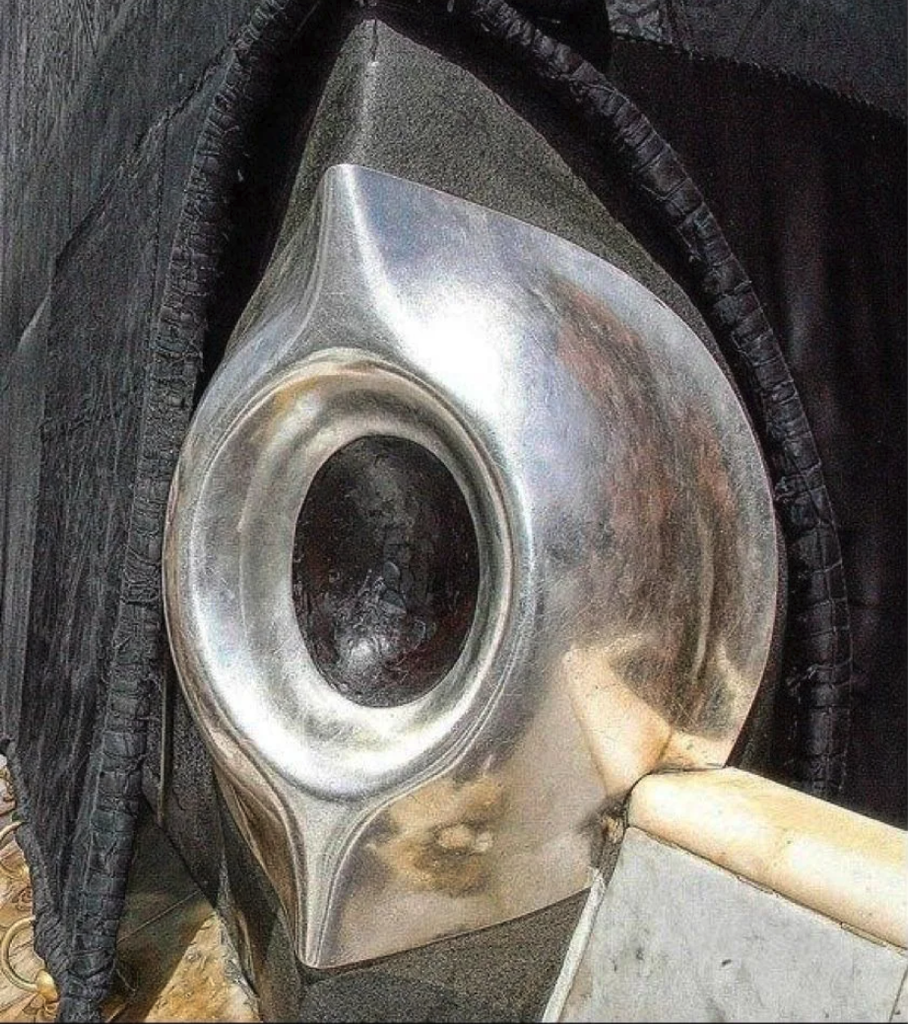
Muslims believe that the black stone is sacred and descended from Heaven.
“That is actually the same black stone that Elagabalus stole and brought [to Rome] in the 2nd century,” Dr. Jay says. “He stipulated that this black stone has god’s presence. Wherever this black stone goes, so does god’s presence go. That suggests to me that’s why it’s in the Ka’aba today. This is straight idolatry.”
If the black stone of Islam is the same as Elagabalus’s, it probably was a meteorite. The Nabateans kissed the stone as part of their worship.
According to Near Eastern, Greek and Roman traditions, a sacred meteorite stone contained the divine presence, gave life force, empowered oracles, protected and healed. They are called baetyls. Elagabalus’ stone was returned to the temple of Jupiter in Emesa soon after moving to Rome.
There it was within reach of the conquering Arabs. Dr. Jay theorizes that they adopted much of their religious scriptures and ideas from the existing religions of the time. They incorporated Bible stories into the Qur’an chaotically. They made Elagabalus’s stone their own.
Regarding the Ka’aba, Dr. Jay theorizes that Arabs copied the Jewish custom of circling Mount Moriah, where the Temple was (having its Most Holy Place a perfect cube), seven times in commemoration of the circling of Jericho.
“There is the antecedents in Jerusalem for what we now see the Muslims doing today,” Dr. Jay says.
Sources: CIRA International, the U.K. Independent.
