




By Karine Keyser —
Five years after U.S. troops pulled out of Afghanistan, there is brilliant achievement that not even American could do.
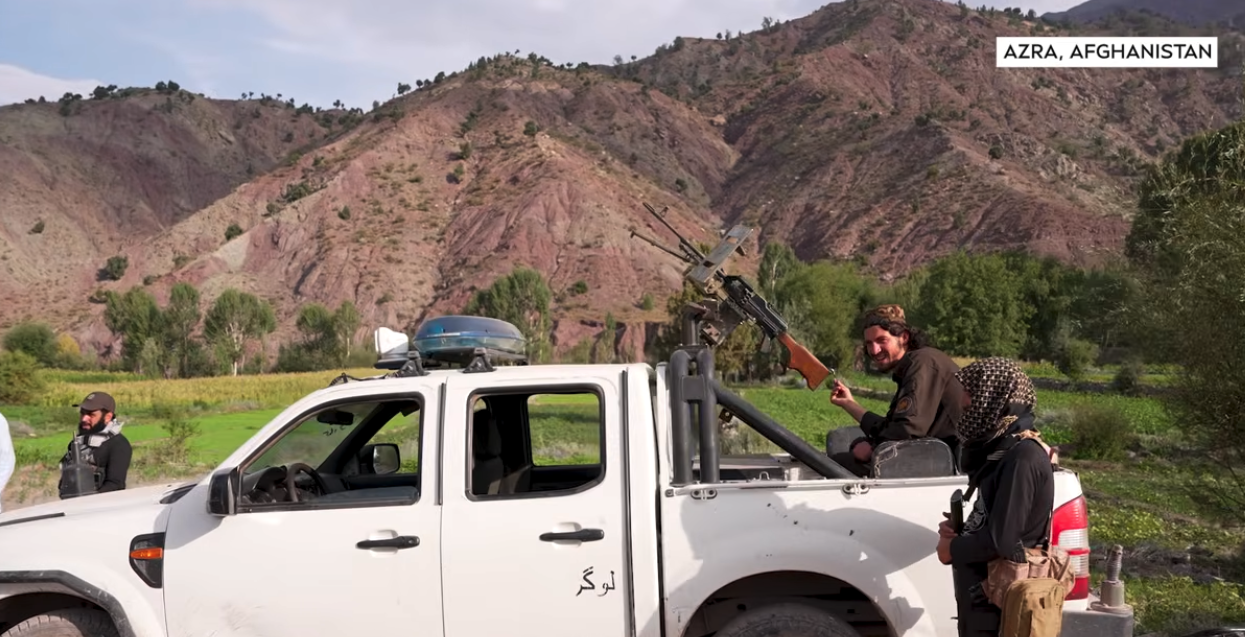
The opium-producing poppy crops are gone.
“Something that was once everywhere is nowhere. It’s hard to imagine, but this was once the biggest poppy growing regions in the world,” says RT journalist Runjhun Sharma. “Today, it looks different. It feels different. It smells different.”
Eliminating the drug scourge is a bright spot for the Islam-dictated Taliban government. Other dictates from Islam have been disastrous:
- Girls are banned from secondary and university education, affecting 2.2M girls.
- Women are barred from most jobs.
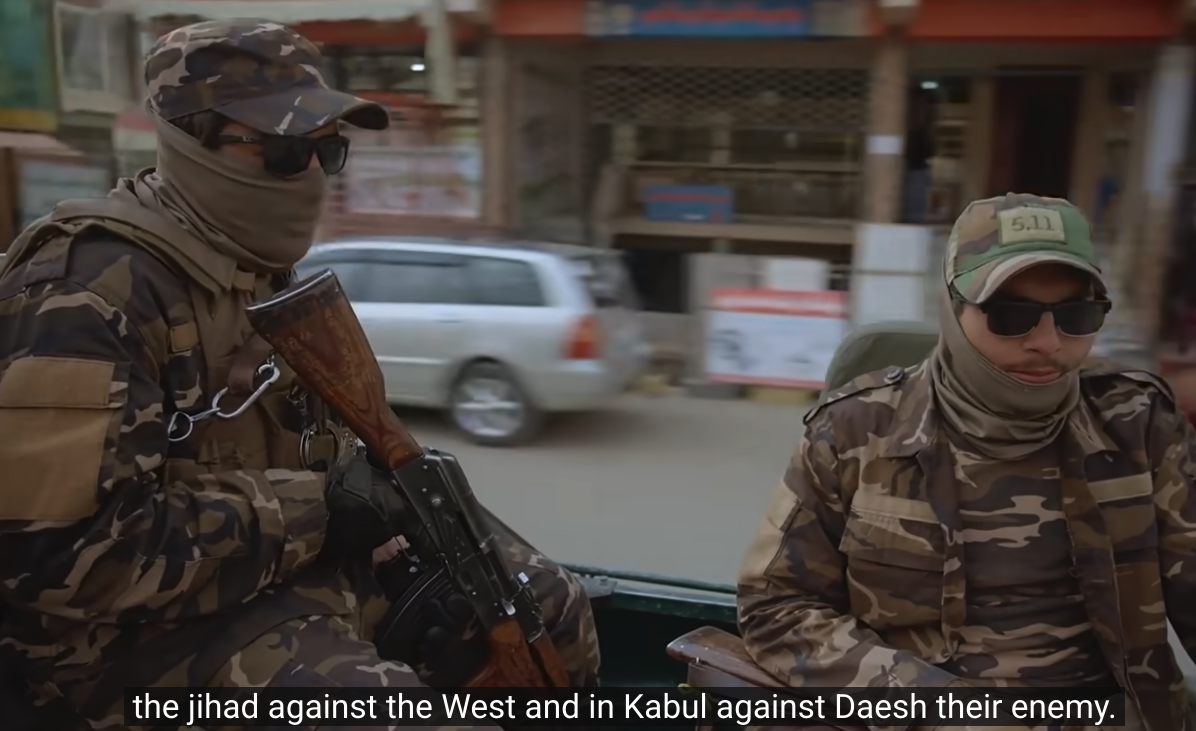
- Afghanistan is have for terrorist groups, and violence plagues its citizens as ISIS tries to beat the Taliban.
- 17.4M people are suffering severe food insecurity during 2026, and roughly 4.9 million mothers and children are expected to suffer malnutrition.
Afghanistan’s economy is so weak that many people feel forced to sell their underage daughters to the highest bidder to marry, which pure Islam not only allows, it encourages.
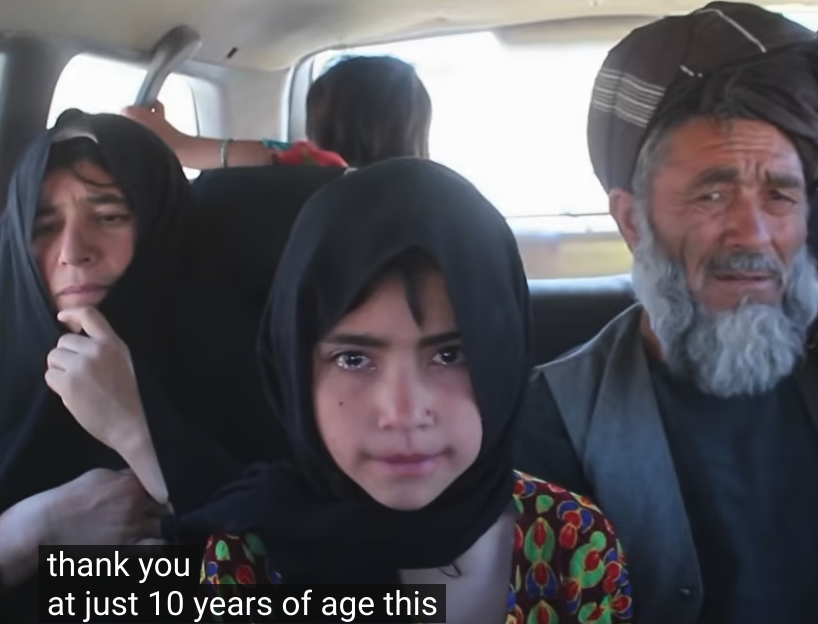
That’s what Amina’s family did. The 10-year-old girl was purchased for $2,500 by a 25-year-old man in the Badghis Province.
“Because my (other) children are starving, I have no other choice,” the mom says on France24 English.
Fortunately, due to France24’s coverage, an association became aware of her dire situation and organized a rescue. The $2,500 was returned to the suitor, the imam agreed to annul the wedding agreement, and the family was taken to the City of Herat.
It is one drop in an ocean: 9.6% of girls marry before age 15 in Afghanistan, according to UNICEF. As bad as underage marriage is in Afghanistan, other countries have higher rates: Niger, Central African Republic, Chad, Mali, Burkina Faso, Mozambique and Bangladesh.
Because Prophet Mohammad married Aisha at age 6 (though he waited until she was 9 to consummate the marriage), Islamic countries often allow underage marriage. However, Muslims are not the only ones with this stain. In Africa
The violent overthrow of the democratically elected government when the U.S. withdrew from Afghanistan produced an economic shock in the economy. Assets were frozen, trade cut off, the nation was isolated.
Today it is the third poorest nation in terms of per capita in the world. Production per person is $417 annually. Only Burundi and South Sudan are poorer.
If international sanctions have hit Afghanistan hard, so has barring women from the workplace.
By following Islamic ideas of keeping women at home, Afghanistan has essentially shot itself in the foot. Restrictions on women and girls cost the nation nearly $920 million from 2024 through 2026, according to UNDP.
The trickle down plays out most horrifically with the single mothers faced with a dilemma of feeding her children: Do you sell one kid to save the lives of the other children?
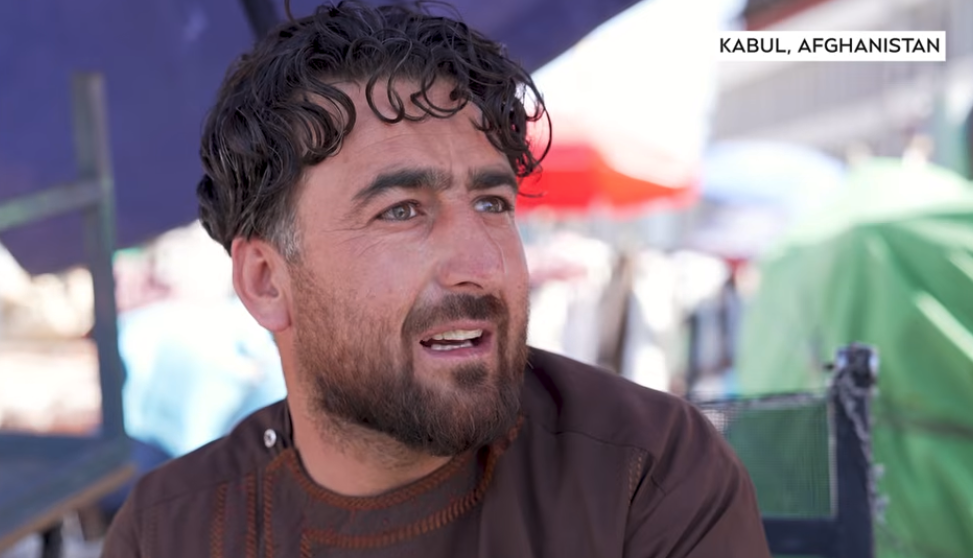
“If we compare with before, our problems have increased,” a money changer to RT India.
Then there’s the problem of terror. The Taliban named Sirajuddin Haqqani interior minister. Formerly he headed the deadliest terror network hitting U.S. forces with suicide bombings, kidnappings and major attacks in Kabul. The U.N. attributes to the network the 2008 Serena Hotel attack, the 2011 Intercontinental Hotel attack and the 2011 attack on the U.S. Embassy and ISAF headquarters.
By welcoming him to the highest levels of Taliban rule, what is the message they send to the world? Afghanistan is radioactive; do not approach.
Getting rid of the poppies rids the world of this blight. Ironically, it also hurts the farmers, whose regular crops earn a fraction.
