




By Ariana Erickson —
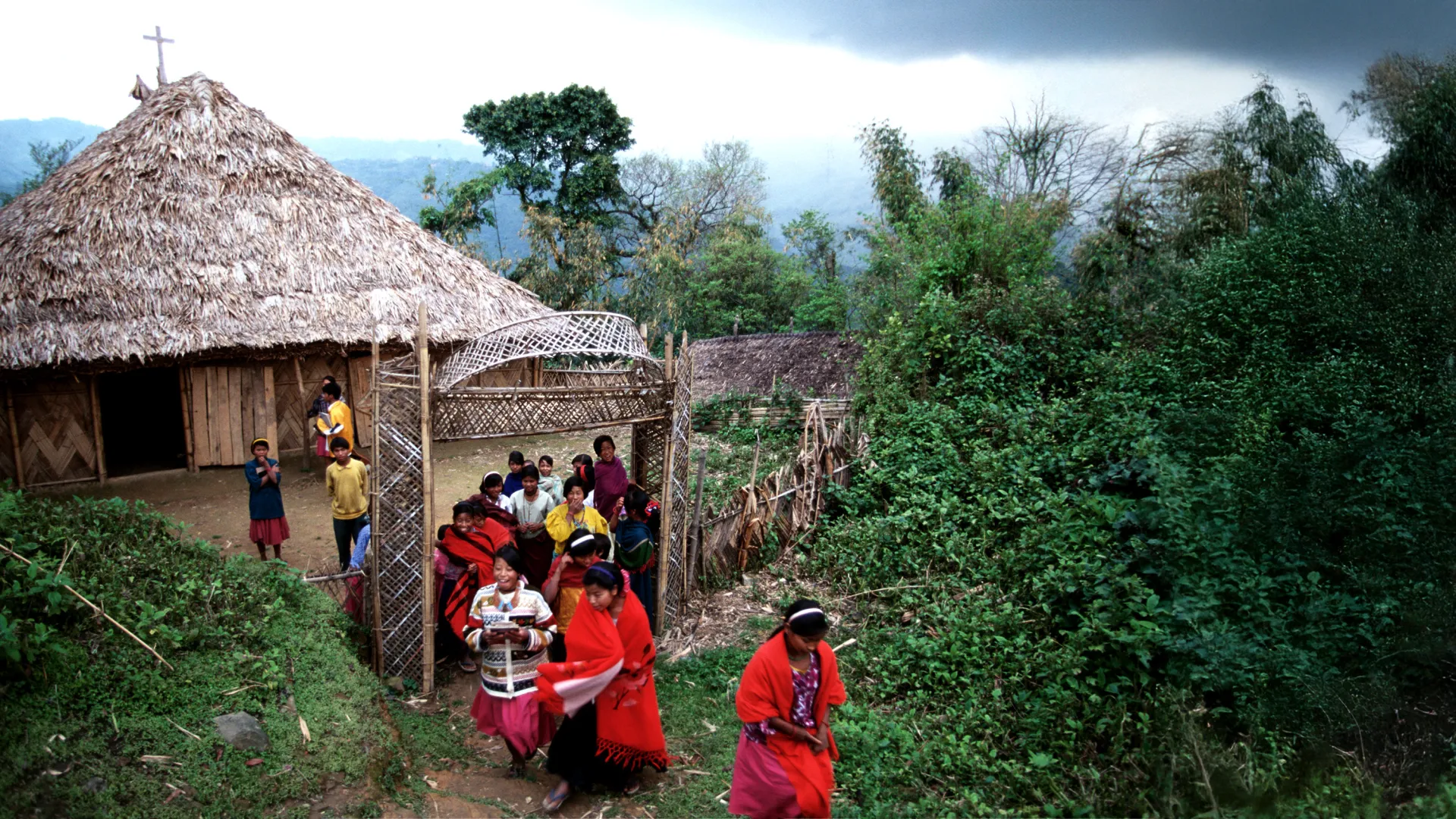
Elsewhere in India, Christianity is a mere 2.3% of the population, but in Arunachal Pradesh Christians represent as much as 55% of the state’s people. However, the imposition of anti-conversion laws threaten the church’s growth.
“Christians may account for 50-55% of the state’s population,” says Tarh Miri, president of the Arunachal Christian Forum (per translation).

According to India’s 1971 census, Christianity was only 0.7% of the population. By the 2011 census, it was an eye-popping 30%. Local leaders says it has continued is astronomical growth.
Hinduism — which is the driving force behind anti-conversion laws in India — grew in the state more modestly from 22% to 29% according to the same census data.
The biggest loser then was native religion. The majority of Arunachalis never were Hindu but instead worshipped variants of Donyi-Polo, animism with the Sun and the Moon at the center.
The so-called Freedom of Religion Act of 1978 was never applied, but a September 2024 high court ruling asked for guidelines to make the Act operational. “Forced” conversion is a crime. Who is forcing anyone to exercise the conscious to believe as they see fit become vague in a court of law.
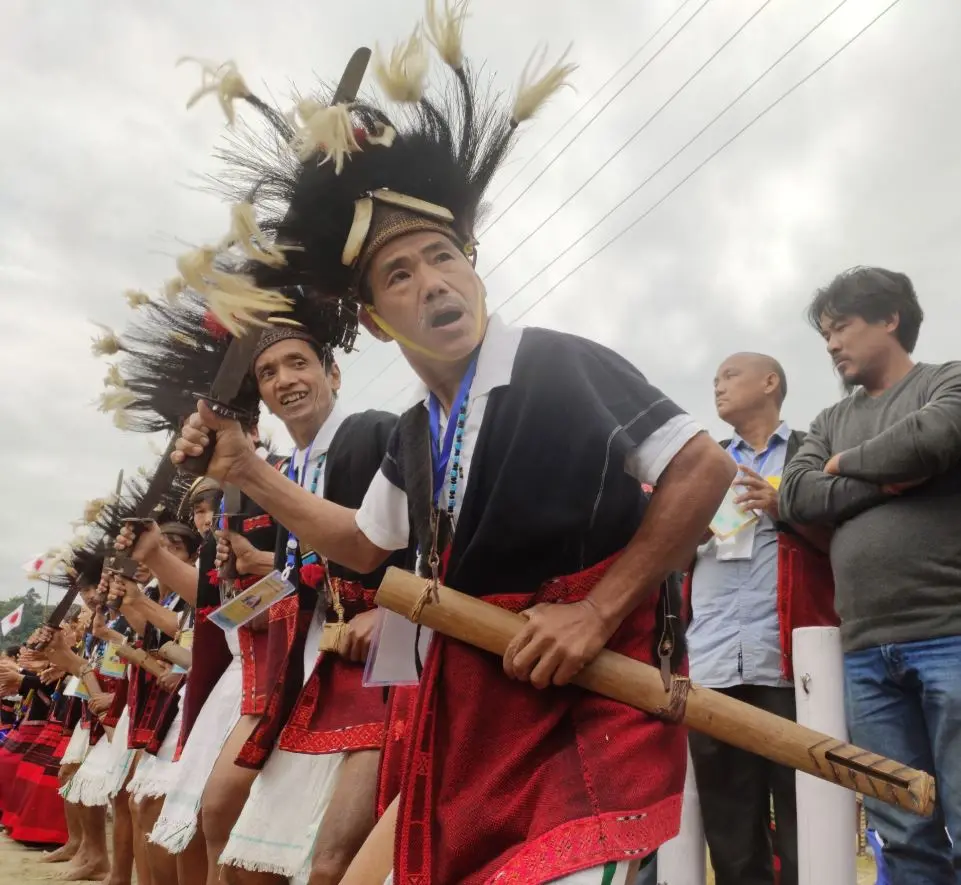
After performing a baptism, the officiant would have to report the name of the baptized to the district’s deputy commissioner, if the law gets applied.
“This law seems unconstitutional and anti-Christian,” Miri says. “The law is against the spirit of secularism. To follow a religion, to profess, to propagate, is a personal choice.”
Arunachal, like most of India, received missionaries before and after British Colonial rule. But according to Christianity Today, things really kicked off when a local businessman, Marbom Tasar, returned to his hometown Roing to share the Gospel with fellow Gelo tribesmen.
When people got sick with dysentery, Tasar went from house to house praying. People were miraculously healed, and the astonished people quickly set to erecting a church to serve three area villages.
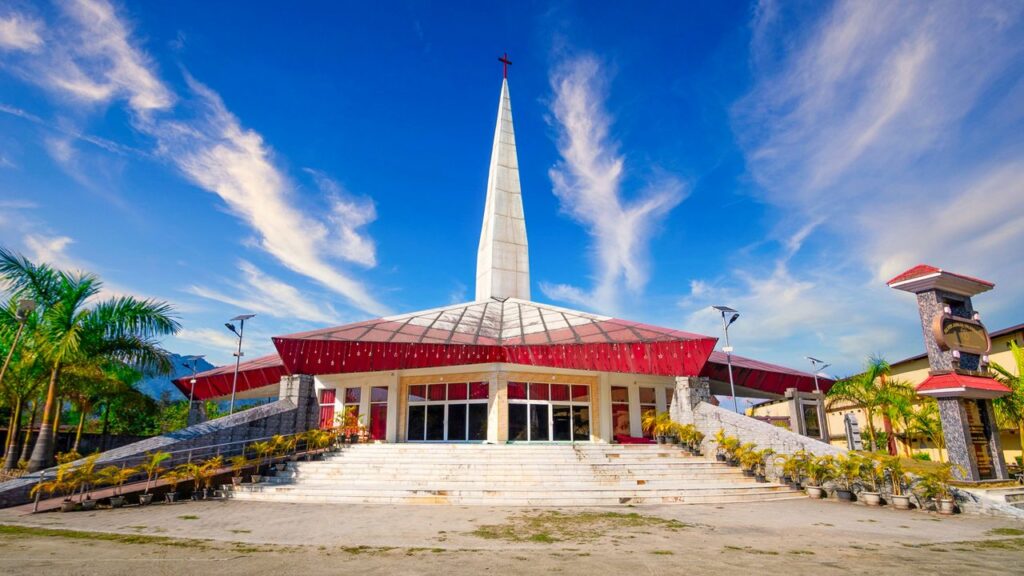
Tribal leaders, however, were not enthusiastic. They burned down the church, arrested Tasar and his associate, tortured some and stripped a female convert naked to humiliate her in front of the village. She refused to renounce her faith. Today, his movement of churches numbers around 80.
“In Arunachal, people are attracted towards Christianity purely (for) the love, affection and helping each other,” says Toko Teki, spokesman of United Christian Front in Northeast India. “It’s the cooperation among the Christian people that attracts the other non-Christian people.”
Miracles, the translation of the Bible into local languages and fearless indigenous evangelists have driven Christianity to the top of the pack. To evade arrest, Tasar slept deep in the forest.
In 1984, police officer Takeng Taggu sent to arrest a missionary instead converted when he saw the missionary absorbed in prayer. He felt God’s conviction, renounced his past and eventually founded the Arunachal Pradesh Christian Revival Church.
Tasar remains undaunted: “We have faced persecution before, and we stood firm. This time will be no different.”
Related content: Hindu helped kill a missionary, then he converted to Christianity. Other sources: Religion unplugged.
