




By Abigail Sanchez-Aguilar —
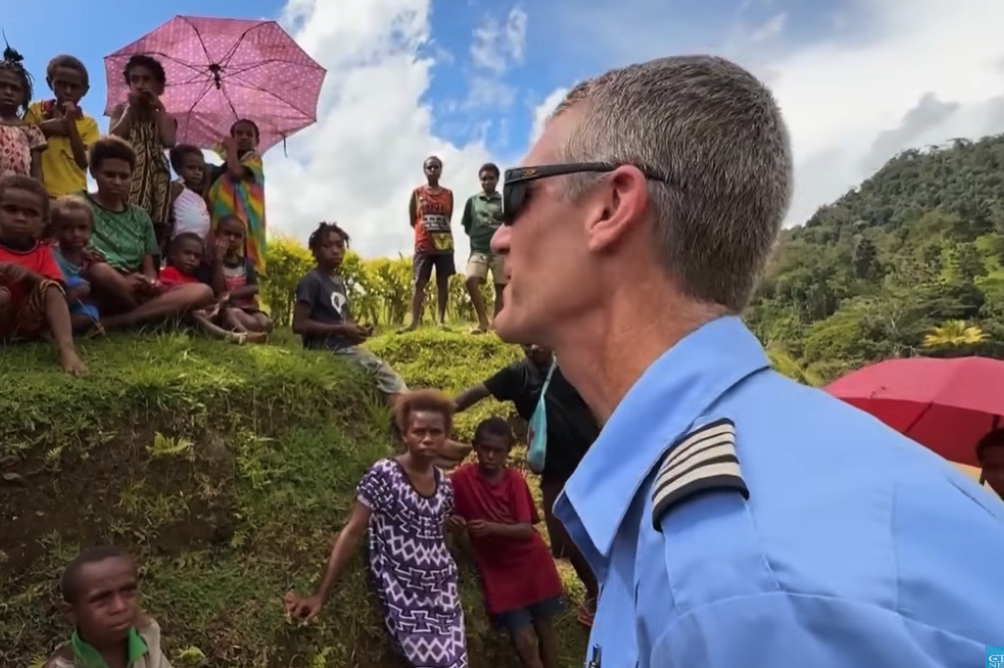
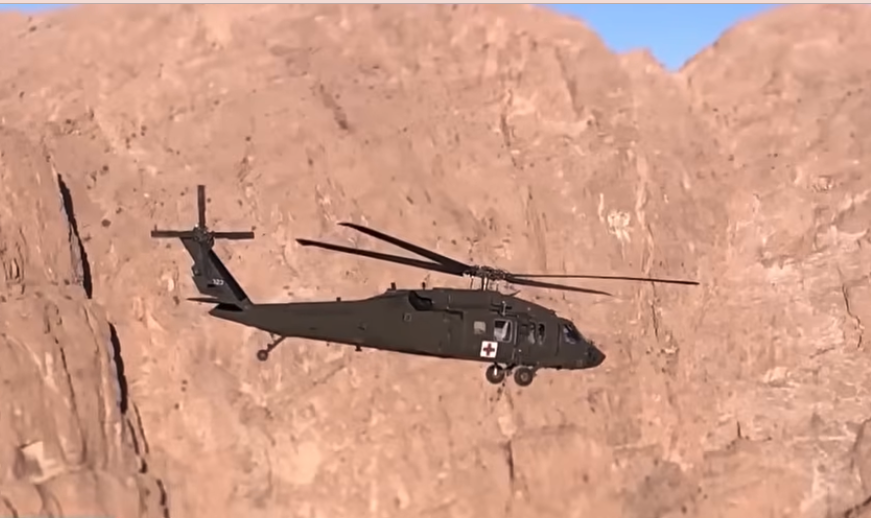
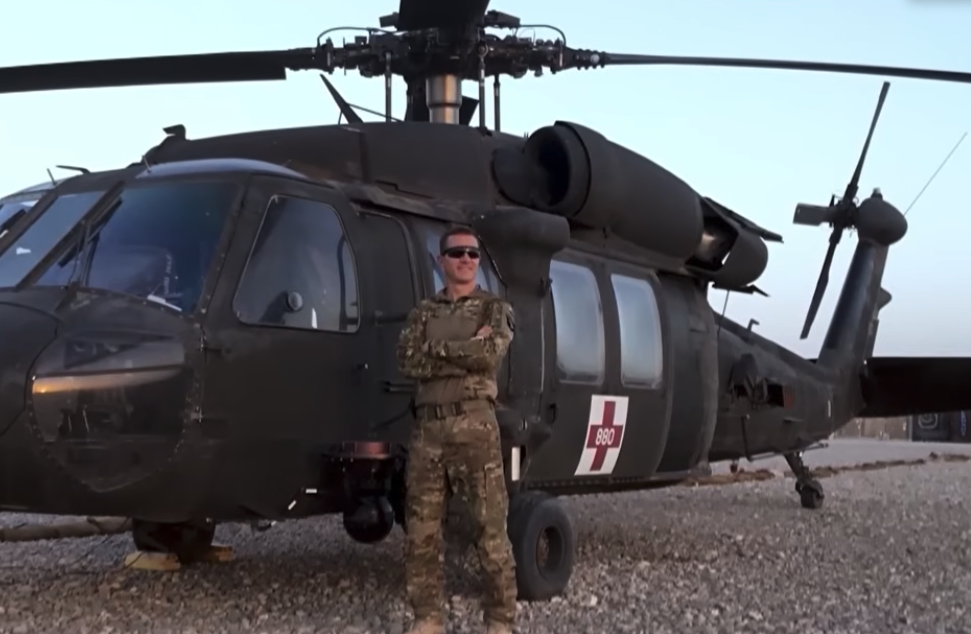
After flying Blackhawk medevac missions for the U.S. military, Greg Raychard thought he left aviation behind when he retired.
“The physical danger was real in combat,” Raychard says. “I did experience times when I was taking enemy fire and just had to keep doing my job.”
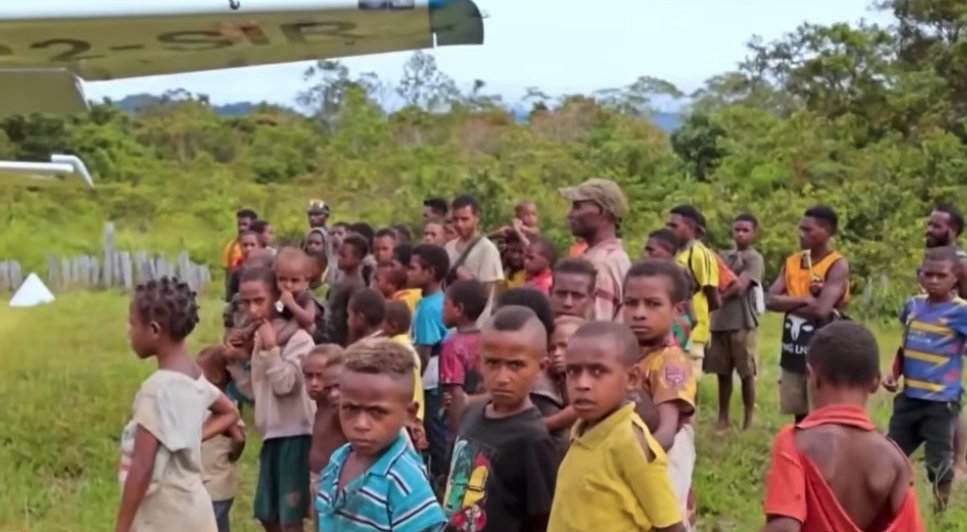
Today, is boarding choppers once again on a different sort of mission. He flies missionary supplies into remote jungle villages of Papua New Guinea. Now a pilot for Jungle Aviation and Radio Service (JAARS), he’s the lifeline to Bible translators in a country that has over 800 languages and represents one of the last outposts for the Gospel.
The overland route is treacherous. For some villages there aren’t even roads. Days of trekking over ridges and fording rivers can be the death of the missionary. Flying gets them there faster — and keeps them supplied.
Papua New Guinea is the wild frontier for the Gospel. With more than 800 languages, Bible translators are racing to not just translate the Bible. In many cases, they have to define a written alphabet for the local language and then teach reading and writing to the locals.
Just to translate the New Testament takes 16 years — the years of learning the language and then translating from the Greek and Hebrew.
JAARS has performed medical evacuations and brought housing materials when an earthquake obliterated the missionaries’ house.
To provide access to the outside world, natives must build the airstrip. Without bulldozers and other heavy equipment, it’s a task that takes 10 years with everybody pitching in. JAARS has been aiding missionaries for 80 years.
“JAARS is really committed. They call it the Green Belt,” says JAARS Director John Marselus. “We’re committed to the Greenbelt to the really the most remote areas because we want to go to them. We have to get the gospel to these people.
Finnish translator Katri Linnasalo has been working on translation for 40 years in the jungles of Papua New Guinea.
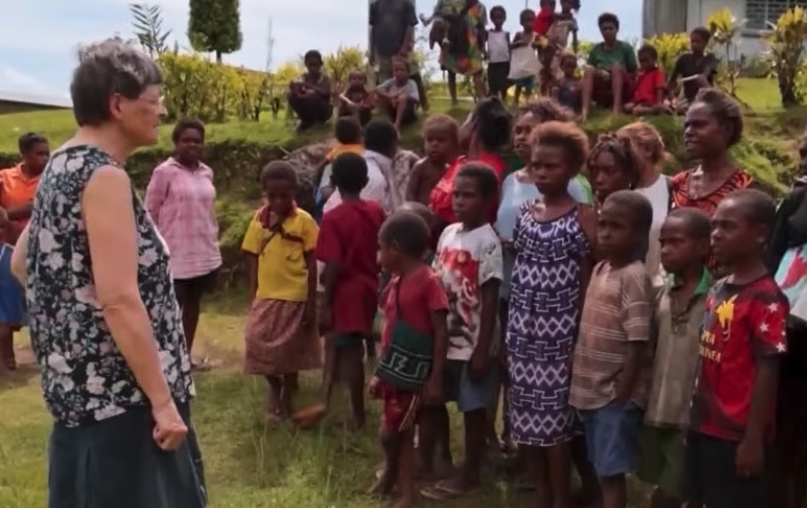
“If I wasn’t able to come here by helicopter, I doubt I would have been able to stay here as long as I have stayed,” Katri says.
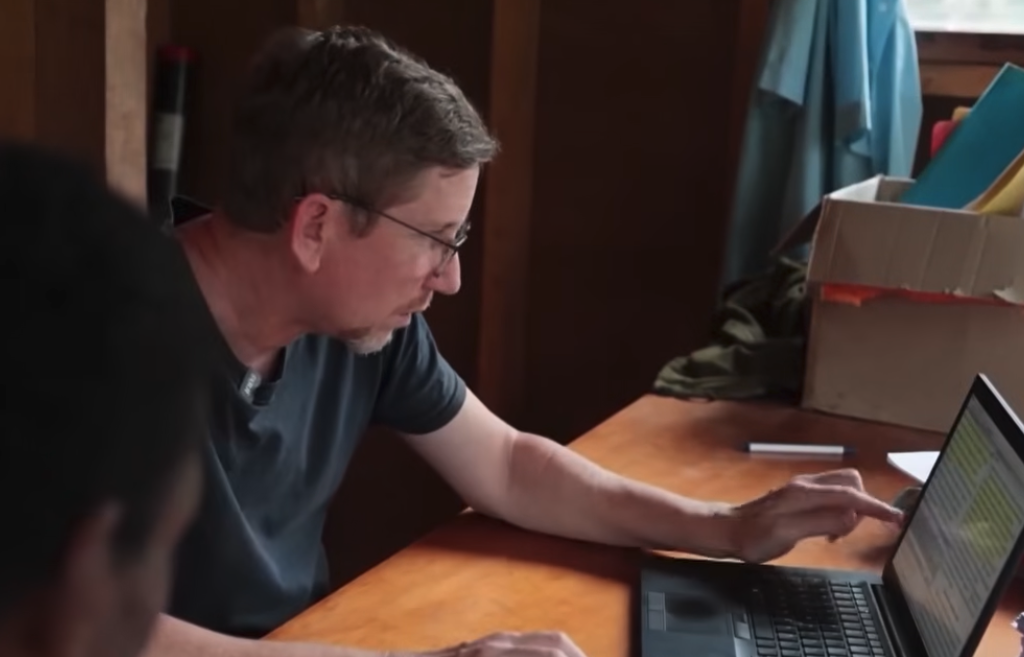
Matt Taylor lives with his family in remote northern Papua New Guinea since 2004 to translate the Bible into the Nukna language. There are only 1,300 villagers who speak the language.
“I feel like this place is the end of the earth,” Matt says. “It’s just so far from anywhere. The roof is made out of banana leaves. These houses last maybe 10 years. Everything is built from jungle materials.
“I believe that every person is made in the image of God and has infinite value,” Matt says. “If God’s called me to come to this place to translate the New Testament for such a small people group, then that’s worth it.”
Source: CBN.

1 Comment
Pingback: After combat missions, he now flies for God | Mustard Seed Budget