




By Kirollos Abadala —
During the 20th century, Salafist Muslims launched a grassroots revival in Muslim countries, halting the march towards openness, secularization and modernization.
“We, the Muslim world, have become terrible and pathetic,” their idea was (as explained for former Muslim Ridvan Aydemir. “We have lost our faith. It is time to go back to the roots of our religion.”
But the adoption of retrograde Islam — with religious rules for dress and other norms from the 7th century — is disappearing, led by none other than the centerpiece of the Muslim world, Saudi Arabia.
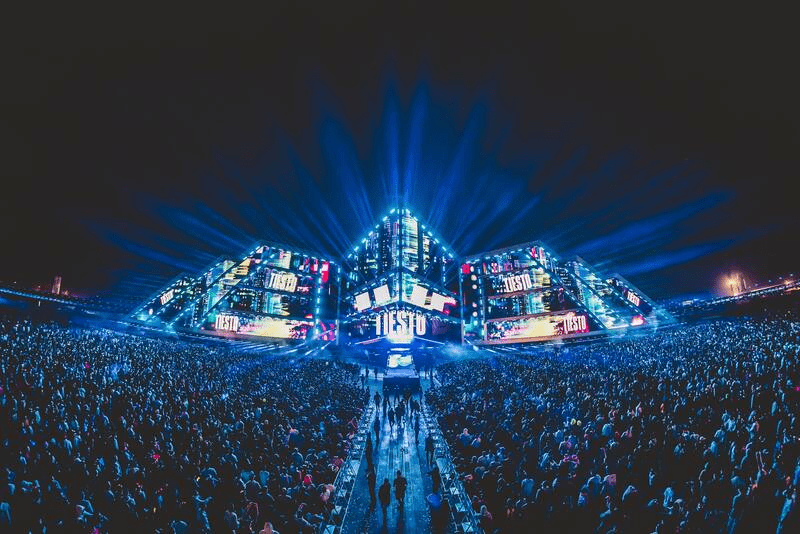
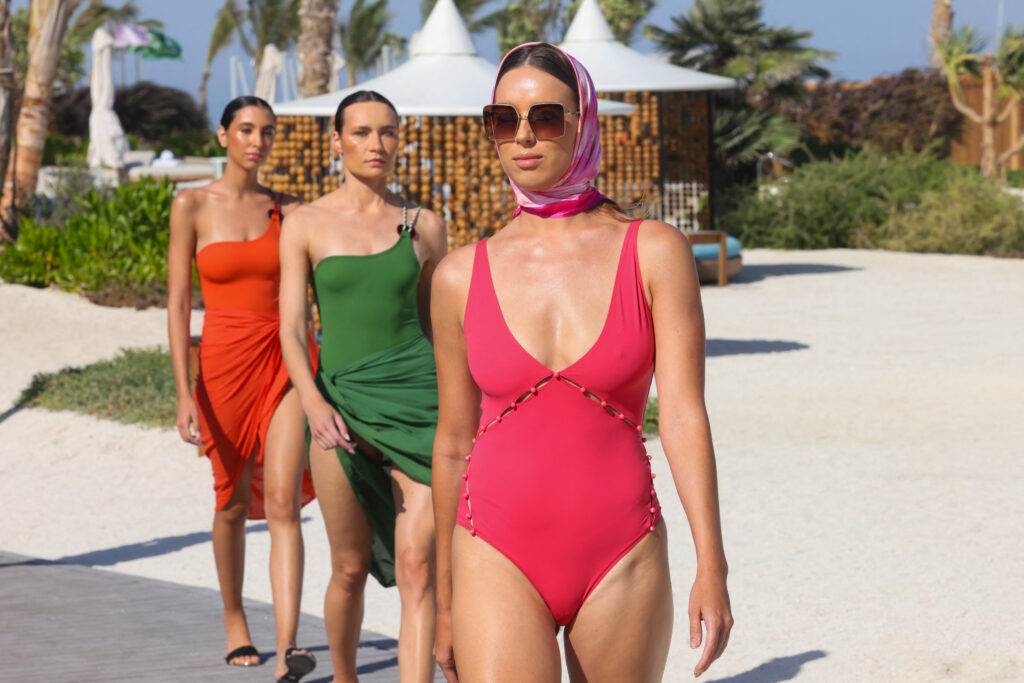
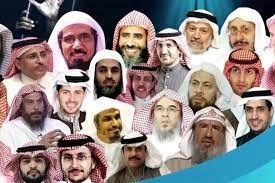
In the last five years, Saudi Arabia has abolished its sharia patrols, arrested its most radical preachers, allowed people to listen to music, allowed women to drive, allows alcohol at certain tourist events, allows bikinis, and even hosts sporting and music events that are clearly haram for Islam.
“If the trajectory continues, and Saudi Arabia, along with other countries, after such a short revivalism period again, turns toward secularism and lets go of Islam, then this could mean that that whole Islamic revivalist period was just a hiccup or a last-ditch effort by the Islamists to stay relevant,” says Ridvan. “It didn’t work.”
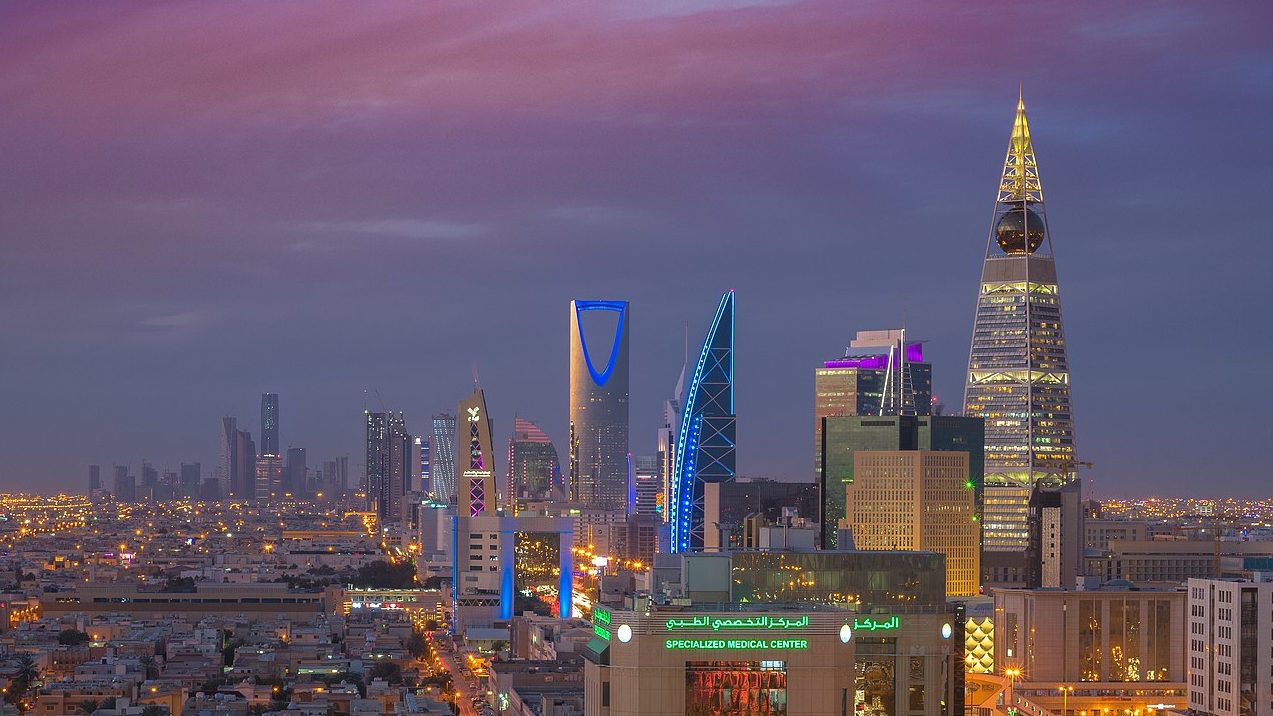
Crown Prince Mohammed bin Salman is leading the charge, transforming his country into an economic powerhouse beyond just an petroleum economy. He is trying to attract investment in his nation.
“I think Islam is in for a bit of trouble,” agrees apologist David Wood. “They were able to keep their people insulated from criticism for 14 centuries. And all of a sudden you’ve got open access (via the Internet) to them and their leaders can no longer keep them insulated.”
The Internet is the death knell of Islam.
Through the Internet the average Muhammad can read historical and textual criticism of the Muslim texts and history. The vocal ex-Muslims, Wood says, are just the tip of the iceberg. It is impossible to estimate how many ex-Muslims hide their apostasy, understandably, within nations that would execute them for leaving Islam.
At the same time, anti-Israel fervor in Saudi Arabia peaked at 96% (a 30% jump) after Oct. 7, 2023, an indication that Saudi Arabia still has many rank and file Muslims with deep religious sentiment.
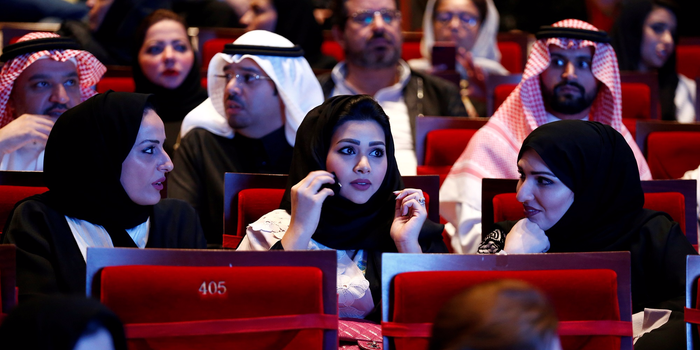
Saudi Arabia was a non-entity in the world order until oil was discovered, making the peninsula kingdom and international powerhouse.
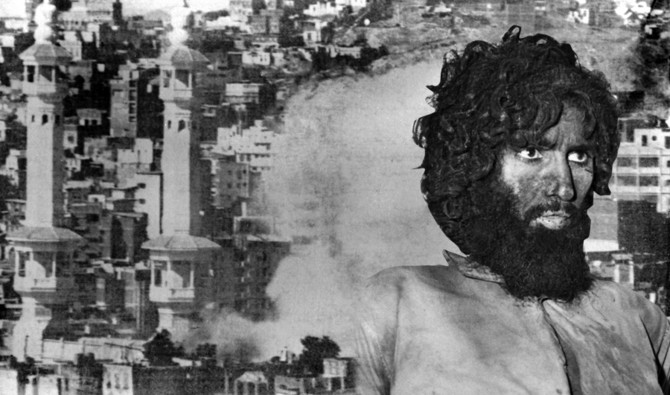
Saudi Arabia was secularizing until the seizure the Grand Mosque Nov. 20, 1979. Radical cleric Juhayman al-Otaybi, smuggled weapons into the courtyard inside closed coffins, and with 600 followers took hostages and proclaimed anti-monarch and anti-West agenda.
It took two weeks to defeat them — but the propaganda damage was done. The House of Saud, seeking to appease the fanatics, made a hard turn towards radical Islam.
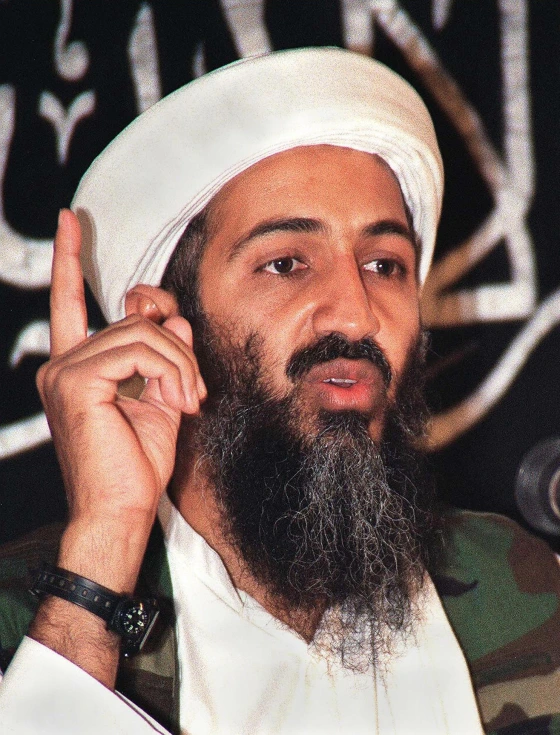
But then 9/11 happened. Of the 19 terrorists executing the plot to crash plane into America’s most iconic buildings, 15 were Saudis — and the ringleader, Osama bin Laden, was a member of the royal family.
The House of Saud was so embarrassed that they collaborated with the CIA and the Americans, helping them to find and kill bin Laden. Immediately, they shut down school curriculum with demonized the West and glorified jihad and they shut down the fanatical preachers.
Since then, it has been a bit of a slow march towards secularization that MBS sped up when he seized control of the nation in 2017.
Saudi Arabia is still a far cry from Westernized. There are no chuch buildings allowed in the kingdom. Everyone who is bon there is, de facto, Muslim.
But trend forecasters always watch the minute changes of data that sometimes indicate a bigger trend, especially from countries where the ruling elites suffocate the truth, like China or the former USSR. In this case, Islamic countries have their official and true version of what is happening and deny outside access.
Related content: U.S. churches are being sold to Muslims and converted into mosques, Mauritania still has slaves because it is deeply Muslim, Burkina Faso fights Islamists.

1 Comment
Pingback: There are signs that Islamism Revival is ending | Mustard Seed Budget